Wellness Travel Trends 2026: The Best Retreat Types To Follow
| ExperiencesIn 2026, wellness travel goes beyond spas and massages. It is becoming a restorative journey that supports the body, mind, emotions, and daily lifestyle. As travelers seek slower and more nature-focused escapes, wellness trips now offer deeper rest, better balance, and more meaningful recovery.
What is the concept of wellness travel?
The concept of wellness travel is built around improving physical, mental, emotional, and lifestyle wellbeing. Travelers choose places that help them rest, move, breathe, eat, and reconnect more mindfully. Unlike normal vacations, wellness travel usually has a clearer purpose connected with personal recovery and balance.
A guest may travel to sleep deeply, reset stress, restore energy, or reconnect with nature. This intention gives wellness resorts a stronger role than simply providing rooms, restaurants, and scenic views. They must create experiences that support emotional calm, physical renewal, and a healthier daily rhythm.
Wellness travel vs health tourism
Wellness travel and health tourism are related, but they focus on different traveler needs and expectations. Health tourism often involves medical services, clinical care, dental treatment, surgery, or professional health procedures.
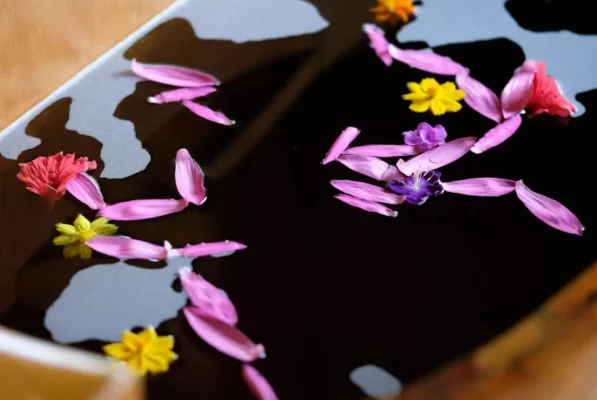
Wellness travel is more preventive, focusing on rest, relaxation, lifestyle balance, and long-term wellbeing. A health tourist may travel for treatment, while a wellness traveler travels for restoration and prevention.
This difference is important because wellness resorts must design experiences around comfort, rhythm, and recovery. Instead of a medical schedule, guests usually follow gentle activities, spa rituals, and mindful personal time.
Why wellness travel is becoming worldwide travel trend
Wellness travel is becoming a worldwide travel trend because modern life creates constant physical and emotional pressure. Many people live with digital fatigue, poor sleep, work stress, and limited contact with nature. They want destinations that help them disconnect from screens and reconnect with their own bodies.
This is why travelers increasingly value quiet environments, natural landscapes, personalized wellness, and meaningful local culture. The Global Wellness Institute lists 2026 wellness tourism trends including cocooning wellness, cool climate travel, and deep rest. These trends show that travelers want comfort, privacy, slower movement, and more emotional protection.
Key characteristics of wellness travel in 2026
The characteristics of wellness travel in 2026 are becoming more personal, restorative, and experience-driven. The first key characteristic is nature-based recovery, especially after long periods of urban stress.
Travelers are drawn to mountains, forests, rivers, gardens, beaches, and places with cleaner air. The second characteristic is slow travel, where guests spend more time feeling the destination deeply.
Instead of rushing between attractions, they choose quiet mornings, mindful meals, and peaceful daily rituals. The third characteristic is local healing traditions, which make wellness experiences more authentic and memorable.
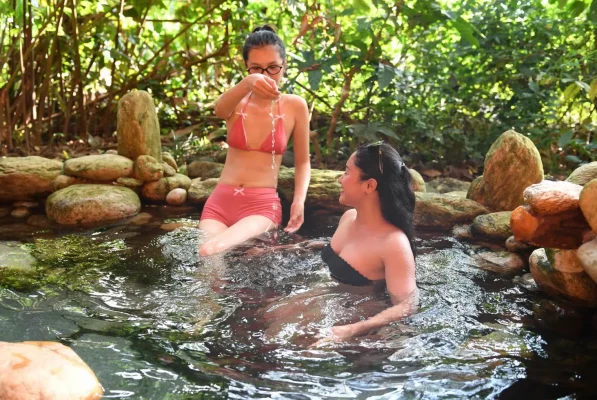
At Panhou Retreat, guests can experience Red Dao herbal knowledge and the Hoang Su Phi ecosystem. The fourth characteristic is personalized wellness, where guests choose activities matching their energy and goals.
This may include massage, meditation, trekking, yoga, herbal bathing, or simply doing very little. The fifth characteristic is better sleep and nervous system reset, especially for burnout travelers. Quiet nature, soft movement, and fewer distractions can help guests restore their natural rhythm.
The sixth characteristic is cultural immersion, which gives wellness travel emotional depth and local meaning. Panhou Retreat fits this direction because its bungalows use bamboo, wood, stone, and local materials.
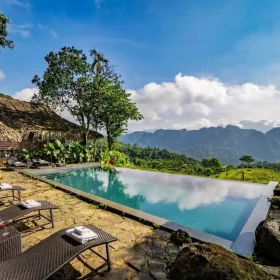
The retreat is surrounded by Hoang Su Phi landscapes, creating a peaceful setting for deeper rest.
Popular types of wellness travel travelers are choosing
There are many types of wellness travel, depending on traveler goals, health needs, and personal interests. Some travelers want deep rest, while others prefer movement, culture, learning, or luxury privacy. Understanding these types helps resorts create clearer packages and helps guests choose suitable retreats.
Nature retreats
Nature retreats are becoming popular because travelers want quiet landscapes, fresh air, and fewer distractions. Mountains and forests are especially attractive for people seeking calm after stressful urban routines. Cooler climates also support travelers who want restorative escapes without crowded beaches or busy cities.
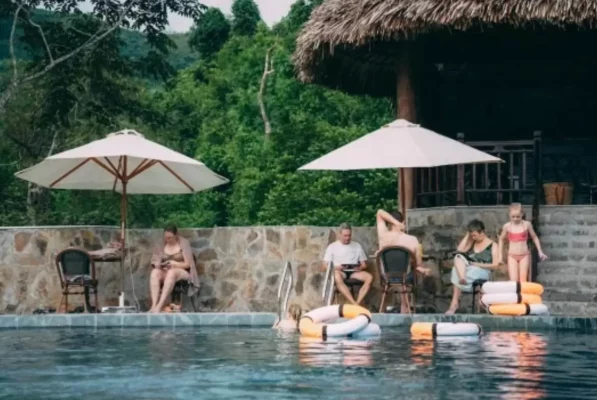
Panhou Retreat naturally fits this type because it is located in the mountains of Hoang Su Phi. Its setting supports trekking, slow mornings, scenic views, and quiet moments surrounded by local nature.
Spa and recovery retreats
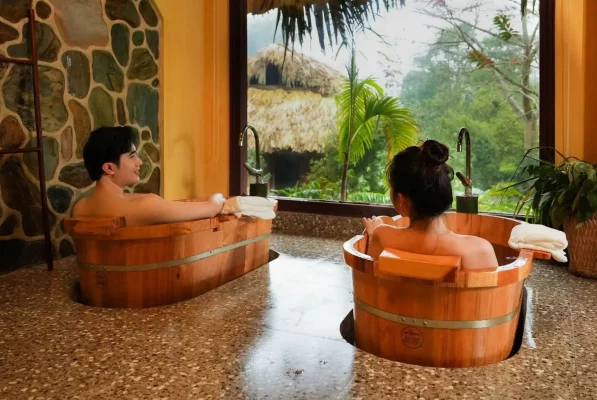
Spa and recovery retreats focus on muscle relaxation, sleep improvement, emotional calm, and nervous system reset. Common services include massage, herbal baths, sauna, hydrotherapy, body treatments, and deep relaxation programs.
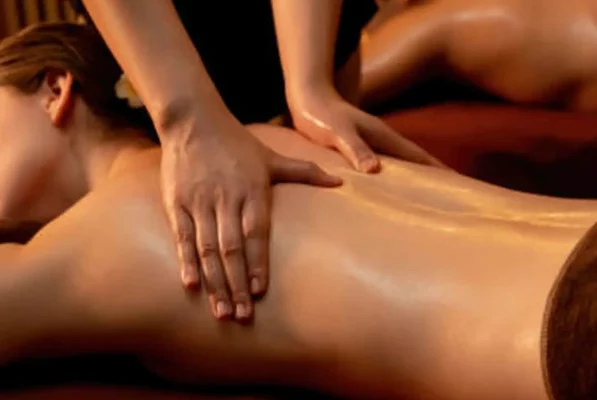
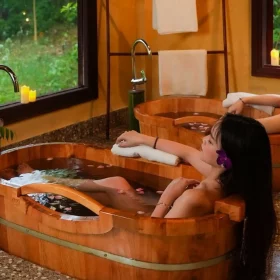
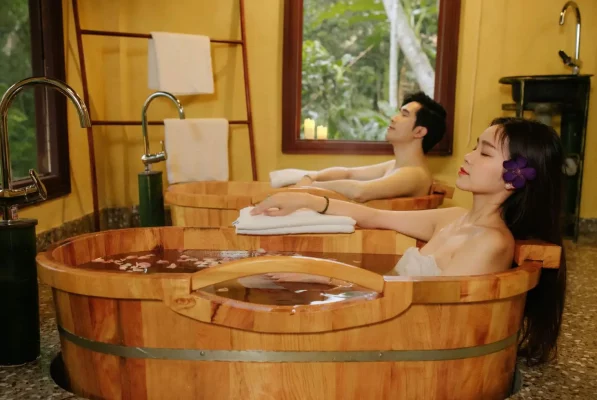
These retreats are suitable for travelers who feel tired, overworked, stressed, or physically tense. Panhou Retreat highlights wellness rituals connected with Red Dao herbal traditions and mountain-based recovery experiences. Vietnam Travel also describes Red Dao herbal bathing as helpful after trekking or long mountain journeys.
Yoga and meditation retreats
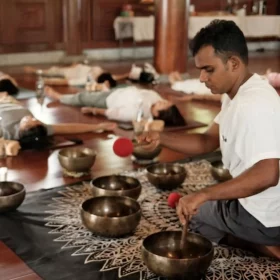
Yoga and meditation retreats focus on gentle movement, breathwork, emotional balance, and mental clarity. They are ideal for travelers who want inner calm without a demanding activity schedule.
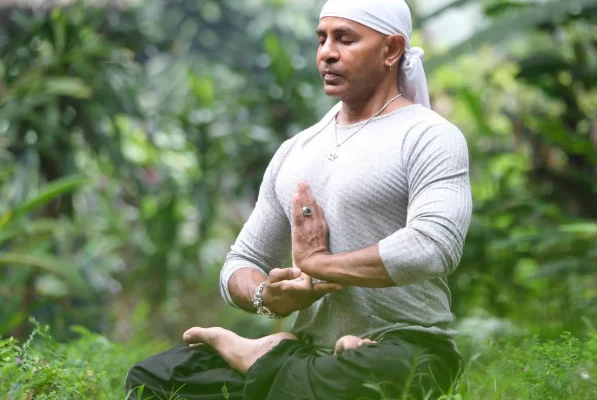
Many wellness resorts combine yoga with meditation, spa therapy, healthy meals, and nature-based rest. These programs help guests slow down and become more aware of their physical and emotional state. At Panhou Retreat, yoga and meditation can support a slower mountain wellness experience.
Cultural wellness retreats
Cultural wellness retreats help travelers recover through local traditions, food, crafts, rituals, and community connection. This type of wellness travel is meaningful because it connects personal wellbeing with cultural understanding.
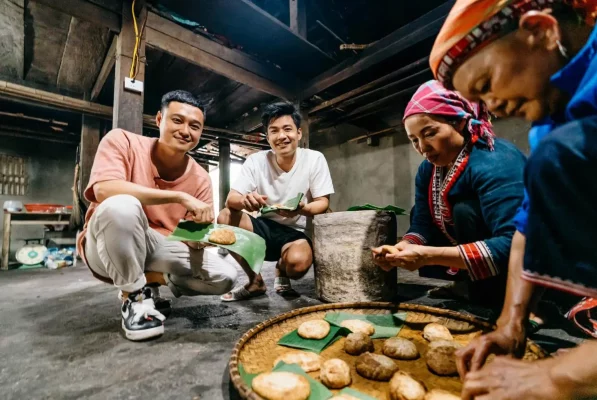
Guests do not only rest; they also learn how local communities live, heal, and celebrate. Panhou offers experiences such as Dó paper painting and Hung Khau cooking classes for families. These activities make the retreat more than accommodation, turning the stay into cultural discovery.
Luxury wellness retreats
Luxury wellness retreats focus on privacy, personal service, spacious rooms, and carefully designed wellness programs. They often include private villas, inclusive spa treatments, wellness consultations, and curated daily activities.
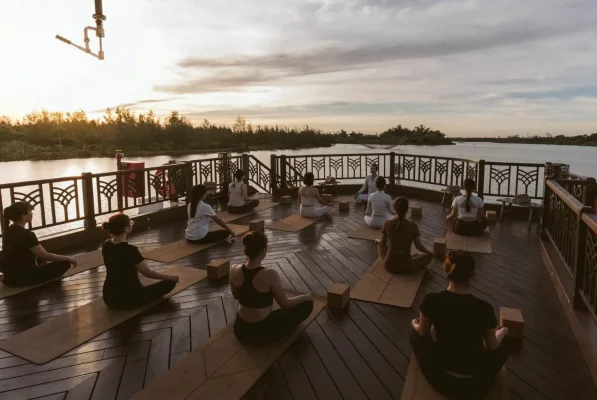
In Vietnam, resorts such as TIA Wellness, Avana Retreat, and Namia River Retreat represent this segment. These properties combine comfort, privacy, spa rituals, mindful movement, and high-end hospitality experiences. Panhou Retreat is different because its luxury feels quieter, greener, and more connected to mountain culture.
Retreat types that match different wellness travelers
Different retreat types serve different traveler needs, especially when wellness motivations become more specific. Some travelers need sleep, while others want culture, trekking, family bonding, or private luxury. The best retreat is not always the most expensive, but the most suitable for personal recovery.
For burnout travelers: Deep rest retreats
Burnout travelers need retreats with quiet environments, simple schedules, and enough space to do less. They often prefer slow mornings, massage, herbal bathing, light meals, and peaceful natural surroundings.
A deep rest retreat should not feel like another demanding program filled with obligations. Instead, it should protect personal energy and help guests rebuild a calmer daily rhythm. Panhou Retreat suits burnout travelers because it offers nature, privacy, herbal bathing, and slow mountain living.
For active travelers: Trekking and outdoor retreats
Active travelers often want movement, scenery, local encounters, and outdoor experiences with meaningful cultural context. For them, wellness is not only stillness, but also walking, breathing, and discovering nature.
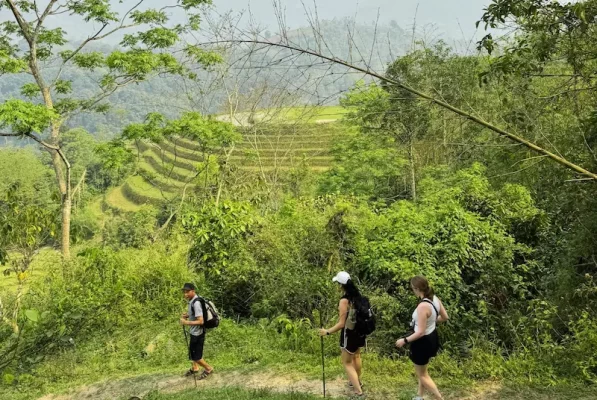
Panhou Retreat offers trekking, Red Dao culture, wellness rituals, and peaceful nature in Hoang Su Phi. This makes it suitable for travelers who want both physical movement and emotional restoration. Trekking through villages and rice terraces can turn exercise into cultural and natural immersion.
For families: Light wellness and local experiences
Families often need light wellness experiences that are safe, enjoyable, educational, and not too intense. Panhou Retreat offers a 3D2N Green Summer For Family package from 114 USD per guest.
The package includes family bonding through cooking experiences, Dó paper painting, and peaceful nature moments. This makes wellness easier for parents and children who want connection, creativity, and fresh air. Instead of strict wellness schedules, families can enjoy simple activities that feel natural and memorable.
For luxury seekers: Private villas and Personalized Wellness
Luxury seekers usually want privacy, comfort, high-quality treatments, and personalized wellness experiences throughout their stay. TIA Wellness Resort offers private pool villas, all-day breakfast, wellness therapies, breathwork, Tai Chi, and yoga.
Avana Retreat offers wellness packages with yoga, breathwork, meditation, craft workshops, and limousine shuttle transfer. Namia River Retreat includes private pool villas, daily wellness journeys, cultural experiences, and all-day breakfast. Compared with these luxury resorts, Panhou feels more rooted in mountains, culture, and nature-based simplicity.
Wellness Travel Trends 2026: What travelers are looking for now
Wellness travel trends 2026 show that travelers want recovery that feels protective, personal, and deeply restorative. They are less interested in extreme optimization and more interested in sustainable emotional balance.
Popular wellness trends now include deep rest, cool climates, privacy, heat rituals, and nervous system reset. Luxury travel trends 2026 also show stronger demand for private space and personalized wellness journeys. Spa trends 2026 are moving toward local healing, recovery-focused therapies, and more credible wellness programs.
Cocooning wellness and micro-breaks
Cocooning wellness describes short, protective trips that help travelers step away from daily pressures. The Global Wellness Institute says these trips prioritize simplicity, safety, emotional restoration, and nature connection.
Travelers may choose countryside retreats, nearby nature escapes, or regional destinations requiring less travel complexity. This trend is suitable for guests who cannot take long holidays but still need recovery. Panhou Retreat can appeal to travelers seeking a cocooning escape from Hanoi’s urban intensity.
Cool climate travel and mountain retreats
Cool climate travel is growing because travelers want fresher air, softer temperatures, and calmer natural settings. The Global Wellness Institute lists the demand for cool climate travel among its 2026 wellness trends.
Mountain retreats fit this trend because they offer space, silence, greenery, and seasonal landscape beauty. Panhou Retreat belongs naturally in this category because it sits in the mountainous Hoang Su Phi region. Its setting supports cool-climate rest, trekking, cultural immersion, and slower recovery away from crowded destinations.
Nervous system reset
Nervous system reset is one of the most relevant wellness travel trends for modern travelers. Many guests now seek trips that help reduce overstimulation and restore emotional stability.
Resorts can support this through better sleep environments, slow activities, spa therapies, and quiet natural spaces. At Panhou Retreat, herbal bathing, massage, meditation, yoga, and slow living can support this reset. This approach works best when guests are not pressured to follow a crowded daily schedule.
Local healing and indigenous wellness
Local healing and indigenous wellness are becoming important because travelers want authenticity and cultural meaning. Panhou Retreat connects this trend with Red Dao herbal bathing, local culture, and mountain traditions.
Guests can experience herbal knowledge, trekking, cultural workshops, and connection with the Hoang Su Phi ecosystem. Vietnam Travel also notes cultural experiences such as wood carving, Dó-paper painting, tea ceremonies, and herbal baths. These experiences help wellness travel feel grounded in place, rather than copied from global resort trends.
Mindful hobbies and soil-to-soul experiences
Mindful hobbies are growing because travelers want purpose, creativity, and slower ways to engage with destinations. These hobbies may include gardening, cooking, painting, tea ceremonies, crafts, and local food experiences.
Panhou Retreat offers family-friendly activities such as cooking classes and Dó paper painting workshops. Such activities support wellness because they invite guests to slow down and focus gently. Instead of passive relaxation only, guests can feel connected to local culture and daily life.
Vietnam as a wellness tourism destination in 2026
Vietnam is becoming one of Asia’s promising wellness tourism destinations for nature, culture, and hospitality. The country offers mountain retreats, beach resorts, riverside sanctuaries, island escapes, and urban wellness hotels.
Wellness travelers can explore Northern Vietnam, Da Nang, Hoi An, Phu Quoc, Nha Trang, and Da Lat. Each destination offers a different expression of health and wellness travel for different traveler needs.
Da Nang and Hoi An are strong for luxury spa resorts, riverside retreats, and beach wellness. Northern Vietnam is stronger for mountains, ethnic culture, rice terraces, trekking, and nature-based recovery.
Panhou Retreat stands out because it combines Hoang Su Phi landscapes with Red Dao culture and quietness. It is especially suitable for travelers seeking a less commercial, more nature-integrated wellness journey.
Best wellness resorts in Vietnam
Wellness resorts in Vietnam vary by location, price, wellness focus, and travel convenience. Prices below are estimated from official pages and may change by season, date, and availability.
| Resort | Location & Contact | Estimated Price | Wellness Highlights | Travel Time |
|---|---|---|---|---|
| Panhou Retreat | Lang Giang Hamlet, Thong Nguyen Commune, Tuyen Quang Province; inquiry@panhouretreat.com | From 114 USD/guest/combo | Herbal bath, trekking, yoga, meditation, local culture | Around 5 hours from Hanoi by car |
| Avana Retreat | Panh Village, Bao La Commune, Phu Tho; inquiries@avanaretreat.com | From 1,706 USD/pax for 6D5N Wellness Package | Yoga, breathwork, spa, craft workshops, excursions | Around 4 hours from Hanoi by shuttle |
| TIA Wellness Resort | 109 Vo Nguyen Giap Street, Ngu Hanh Son Ward, Danang; reservation@tiawellnessresort.com | From 470 USD/night for Wellness Inclusive | Pool villa, 80-minute therapies, yoga, Tai Chi | 15 minutes from Da Nang Airport |
| Namia River Retreat | 232 Tran Nhan Tong Street, Hoi An Dong, Da Nang; hello@namiariverretreat.com | Around 500 USD/night | Private pool villa, 90-minute wellness journey, cultural experiences | 45 minutes from Da Nang Airport |
- Panhou Retreat lists its family package from 114 USD per guest per combo.
- Avana Retreat currently lists its 6D5N Wellness Package at 1,706 USD per pax.
- TIA Wellness Resort lists Wellness Inclusive bookings from 470 USD per night, including wellness therapies.
- Namia River Retreat says its riverside resort rates start from around 500 USD per night.
This comparison shows that Panhou Retreat offers a more accessible mountain wellness option in Vietnam. It is especially attractive for travelers who value nature, culture, and local healing over beachfront luxury.
Panhou Retreat: A mountain wellness escape in Hoang Su Phi
- Address: Lang Giang Hamlet, Thong Nguyen Commune, Tuyen Quang Province, Vietnam.
- Hotline: +84-966-615-050
- Email: inquiry@panhouretreat.com.
Its official accommodation page describes 31 eco bungalows and one three-bedroom villa surrounded by greenery. Each bungalow is designed with local materials such as bamboo, wood, and stone. This design helps the retreat maintain a close connection with nature and local identity.
Guests can experience trekking, Red Dao culture, wellness rituals, and peaceful nature in Hoang Su Phi. Panhou also offers family-friendly workshops, including Dó paper painting and Hung Khau cooking classes.
For travelers seeking wellness tourism destinations in Vietnam, Panhou offers a distinctive mountain alternative. It is not only a resort, but also a slower way to experience Northern Vietnam.
Sample 3-Day wellness itinerary at Panhou Retreat
A three-day itinerary gives travelers enough time to arrive, slow down, and enjoy meaningful experiences. This itinerary can support guests who want nature, culture, light movement, and emotional recovery.
Day 1: Arrival, herbal bath and slow dinner
Guests can leave Hanoi in the morning and travel to Panhou Retreat by private car. After arrival, they can check in, rest, and enjoy the quiet mountain surroundings.
A Red Dao herbal bath is suitable after a long drive through the Northern mountains. Dinner can focus on local ingredients, warm flavors, and a slower rhythm after traveling. The first evening should remain light, allowing the body to settle into the retreat atmosphere.
Day 2: Trekking, Local Culture, And Mindful Evening
The second day can begin with breakfast and a gentle walk through the resort landscape. Guests can join trekking experiences through villages, rice terraces, and natural scenery around Hoang Su Phi.
This creates a balanced day combining movement, cultural discovery, and nature-based recovery. In the afternoon, guests can join a cooking class or Dó paper painting workshop.
Evening can include meditation, massage, herbal bathing, or quiet time beside the mountain landscape. This day helps guests feel both active and restored without making the schedule too demanding.
Day 3: Morning Yoga, Breakfast, And Departure
The final morning can begin with yoga, breathing practice, or a peaceful garden walk. Guests can enjoy breakfast slowly before packing and preparing for the journey back to Hanoi.
Before departure, they may buy local products or take final photos around the retreat. A private car is the easiest option for travelers who want comfort and flexible timing. Panhou Retreat also provides private transfer service with an additional charge upon request.
FAQ
1. What are the latest wellness travel trends?
The latest wellness travel trends include deep rest, cool climate travel, privacy, nervous system reset, and heat rituals. Travelers also seek AI-designed wellness, credible longevity travel, and nature-based cocooning escapes. These trends show that guests want recovery that feels personal, gentle, and emotionally protective.
2. What are the biggest wellness travel trends 2026?
The biggest wellness travel trends 2026 include cocooning wellness, urban recovery, destination-scale wellness, and heat rituals. They also include cool climate travel, nervous system reset, privacy, AI-designed wellness, and deep rest. These trends show that travelers are moving from performance wellness toward more restorative experiences.
3. What luxury travel trends 2026 are shaping wellness resorts?
Luxury travel trends 2026 are shaping resorts through privacy, quiet luxury, personalization, and meaningful experiences. Guests increasingly want private villas, tailored spa programs, nature immersion, and culturally rooted activities. Luxury wellness is becoming less about display and more about space, silence, and personal care.
4. What are popular wellness trends for mountain retreats?
Popular wellness trends for mountain retreats include trekking, herbal bathing, meditation, slow food, and forest immersion. Travelers also value cultural healing, digital detox, cool climates, and deeper connection with local communities. Panhou Retreat fits these trends through Red Dao culture, nature, trekking, and herbal wellness rituals.
5. What are the best wellness tourism destinations in Vietnam?
Vietnam wellness tourism destinations include Hoang Su Phi, Mai Chau, Da Nang, Hoi An, Phu Quoc, and Nha Trang. Da Lat is also suitable for cool climate travel, nature retreats, and slower wellness escapes. Hoang Su Phi is ideal for travelers seeking mountains, rice terraces, ethnic culture, and quiet restoration.
6. Is Panhou Retreat suitable for health and wellness travel?
Yes, Panhou Retreat is suitable for health and wellness travel because it combines nature and culture. Guests can experience herbal bathing, trekking, yoga, meditation, local workshops, and peaceful mountain scenery. Its setting is especially suitable for travelers who want deep rest and meaningful local connection.
7. What spa trends 2026 should wellness resorts follow?
Spa trends 2026 should focus on personalization, herbal therapies, heat rituals, and deep rest programs. Resorts should also design recovery-focused journeys connected with local healing traditions and credible wellness practices. For Vietnam, Red Dao herbal bathing and Vietnamese herbology can create strong destination-based spa experiences.