2 Night Ha Giang Loop: A Complete 3-Day Adventure and Retreat Guide
| ExperiencesA 2 night Ha Giang Loop is one of the most practical ways to experience the dramatic mountain scenery of northern Vietnam within a limited schedule. Over three days and two nights, travellers can cross high mountain passes, explore ethnic minority villages and discover some of Ha Giang’s most recognisable landscapes.
The journey is suitable for travellers who want to see the major highlights without committing four or five days to the classic route. However, a successful trip requires more than choosing a motorbike and following the road. Daily distance, tour format, weather, driver experience and accommodation quality can all influence the journey.
This guide explains how a 3d2n Ha Giang Loop normally works, what you can realistically see and how to select a suitable tour. It also introduces an extended itinerary combining the Loop with Panhou Retreat in Hoang Su Phi for travellers seeking both adventure and restorative time in nature.
How Long Is the Ha Giang Loop?
One of the most common planning questions is: How long is the Ha Giang Loop?
The total distance depends on the selected route, overnight stops and additional detours. A typical journey usually covers approximately 350 to 400 kilometres, beginning and ending in Ha Giang City.
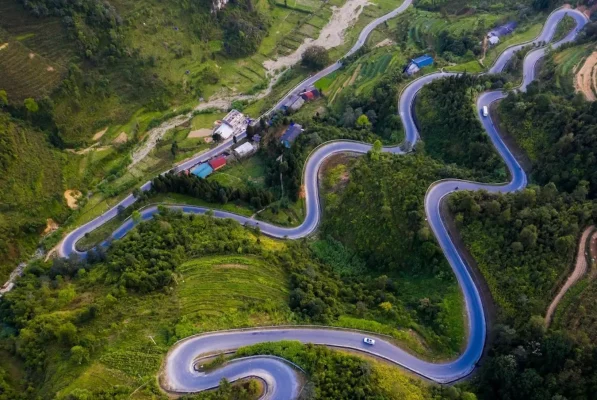
Although experienced riders may complete a shorter version in two days, the pace can feel rushed. A Ha Giang Loop tour 3 days 2 nights offers a better balance between riding time, sightseeing and rest.
Travellers normally cover around 100 to 150 kilometres each day. This may not sound like a long distance, but mountain roads require more time than highways. The route includes steep slopes, narrow bends, local traffic and frequent stops for viewpoints or village visits.
Three days are usually sufficient to experience the main highlights, including:
- Quan Ba Heaven Gate and the Twin Mountains.
- The valleys and mountain roads around Yen Minh.
- The Dong Van Karst Plateau.
- Dong Van Old Quarter.
- Ma Pi Leng Pass.
- The Nho Que River and Tu San Canyon area.
- Local villages and roadside viewpoints.
The exact route may vary between tour operators. Some itineraries focus on Dong Van and Meo Vac, while others include Du Gia or additional cultural stops.
Is two nights enough for Ha Giang Loop?
Two nights are enough for travellers who prioritise the classic viewpoints and accept several hours of travel each day. The schedule is especially suitable for visitors with a fixed Vietnam itinerary.
However, a three-day journey leaves less flexibility than a four-day tour. Heavy rain, fog or road disruption may require the operator to shorten certain stops or adjust the route.
A 2 night Ha Giang Loop is therefore best for travellers who:
- Have only three days available.
- Are comfortable spending several hours on the road.
- Want to visit the most famous sections of the Loop.
- Prefer a more affordable option than a four-day tour.
- Plan to continue to another northern destination afterward.
Travellers who prefer slower mornings, longer village walks and more photography stops may find a four-day itinerary more comfortable.
Suggested 3D2N Ha Giang Loop Itinerary
A standard 3d2n Ha Giang Loop usually begins in Ha Giang City. Many travellers arrive from Hanoi by overnight bus and start the tour the following morning.
The itinerary below is a general example. Road conditions, weather and the selected tour operator may change the sequence of stops.
Day 1: Ha Giang City – Quan Ba – Yen Minh – Dong Van
The first day introduces travellers to Ha Giang’s limestone mountains and deep valleys. After leaving Ha Giang City, the route gradually climbs toward Quan Ba.
Common stops may include:
- Bac Sum Pass.
- Quan Ba Heaven Gate.
- Quan Ba Twin Mountains.
- Can Ty Valley.
- Yen Minh pine forest.
- Villages and viewpoints on the way to Dong Van.
Depending on the route, the group may also stop at historical or cultural attractions before reaching Dong Van.
The night is usually spent in Dong Van Town. Travellers can explore the old quarter, enjoy a local dinner and rest before the most dramatic section of the Loop.
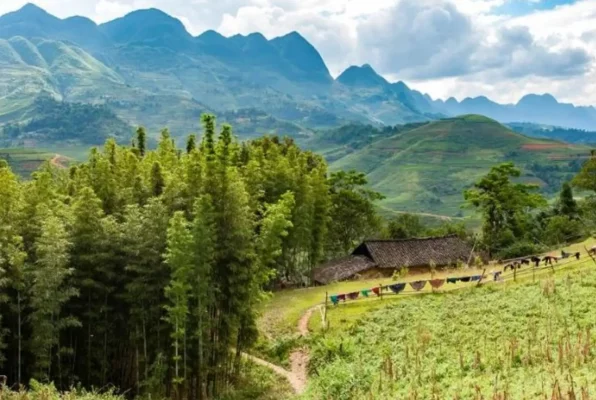
Day 2: Dong Van – Ma Pi Leng Pass – Nho Que River – Meo Vac
The second day is often the visual highlight of a Ha Giang Loop tour 3 days 2 nights.
The road between Dong Van and Meo Vac crosses Ma Pi Leng Pass, one of the most recognisable mountain routes in Vietnam. From selected viewpoints, travellers can look down toward the Nho Que River and the steep walls of Tu San Canyon.
A boat trip on the Nho Que River may be included or offered as an optional activity. Confirm this before booking because entrance tickets, transfers and boat fees are not always included in the advertised tour price.
The tour may continue toward Meo Vac or another overnight location, depending on the operator. Some itineraries include additional village visits or a longer route toward Du Gia.
Travellers should not measure the quality of this day by the number of stops alone. Weather, traffic and group pace can significantly affect the schedule.
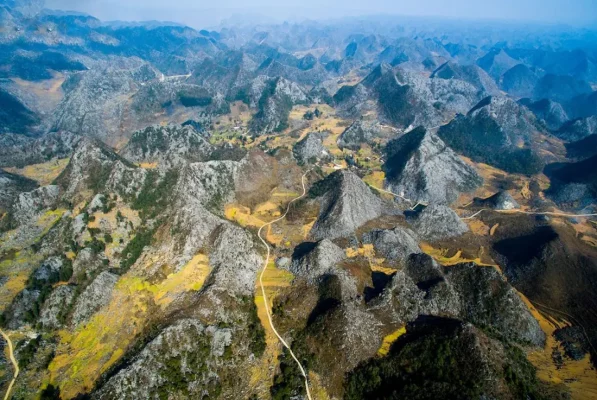
Day 3: Meo Vac or Du Gia – Ha Giang City
The final day returns toward Ha Giang City through mountain valleys, local communities and changing landscapes.
If the itinerary includes Du Gia, travellers may see greener valleys, streams and rural villages that contrast with the rocky scenery around Dong Van and Meo Vac.
Other routes return through Yen Minh and Quan Ba. The best option depends on road conditions and the starting point of the final day.
Most tours arrive in Ha Giang City during the late afternoon. Travellers can then take an evening or overnight bus to Hanoi or continue to another destination in northern Vietnam.
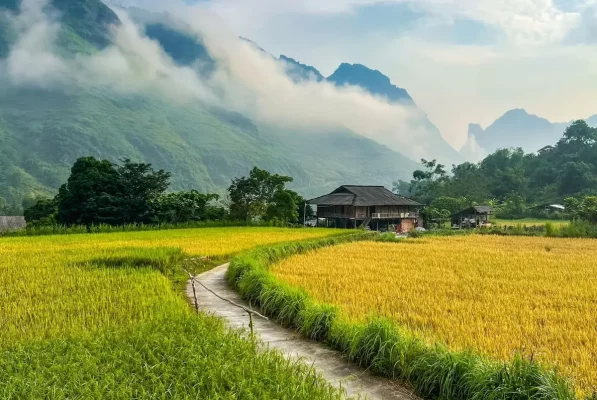
How to Choose the Right Ha Giang Loop Tour
Not every three-day tour provides the same experience. Some focus on low prices and social activities, while others prioritise smaller groups, experienced drivers and better accommodation.
Before booking a 2 night Ha Giang Loop, compare the tour format, inclusions and daily pace rather than looking only at the headline price.
| Tour option | Suitable for | Main advantages | Points to consider |
| Shared Easy Rider tour | Solo travellers and budget-conscious visitors | Social atmosphere and lower cost | Limited control over pace and stops |
| Private Easy Rider tour | Couples and comfort-focused travellers | Flexible schedule and personalised stops | Higher price than a shared tour |
| Self-drive tour | Experienced riders with suitable documents | Greater independence | Higher risk and responsibility |
| Private car tour | Families, non-riders and winter travellers | More protection from rain and cold | Less open-air riding experience |
Easy Rider or self-drive?
An Easy Rider is a local driver who controls the motorbike while the traveller sits behind. This option allows visitors to enjoy the open-air experience without personally navigating steep roads, sharp bends and changing weather.
Easy Rider tours are generally the most practical choice for first-time visitors or travellers without mountain-riding experience.
Self-driving offers more independence but should only be considered by riders with appropriate skills, valid documents and suitable travel insurance. Ha Giang Loop is not an appropriate place to learn how to ride a motorbike for the first time.
Before selecting a self-drive tour, confirm:
- Which licence and documents are required.
- Whether your insurance covers motorbike riding.
- The type and condition of the motorbike.
- What safety equipment is included.
- Whether technical support is available.
- Whether you can switch to an Easy Rider if necessary.
Shared group or private tour?
Shared tours are usually more affordable and provide opportunities to meet other travellers. However, group sizes can differ significantly between operators.
Ask for the maximum number of guests and motorbikes before paying a deposit. A tour described as a small group may be combined with other departures during busy periods.

A private tour costs more but provides greater control over departure times, photography stops, meal preferences and daily pace. It is particularly suitable for couples, families and travellers who want to avoid large motorbike convoys.
What should the tour price include?
Before comparing prices, check whether the following services are included:
- Motorbike and fuel.
- Easy Rider or guide.
- Two nights of accommodation.
- Meals during the tour.
- Entrance tickets.
- Nho Que River boat trip.
- Protective equipment and rainwear.
- Luggage storage in Ha Giang City.
- Transfers between Hanoi and Ha Giang.
- Private room upgrades.
A lower advertised price may not represent a lower final cost when meals, tickets or accommodation upgrades are charged separately.
Best Time for a 2 Night Ha Giang Loop
The most comfortable periods are generally from March to May and from late September to November.
These seasons often provide a better balance of moderate temperatures, mountain visibility and manageable road conditions. Nevertheless, Ha Giang’s weather can change quickly, especially at higher elevations.
March to May
Spring brings mild daytime conditions, fresh vegetation and seasonal flowers. It is a suitable period for first-time visitors who want to avoid both the coldest winter weather and the heaviest summer rain.
Fog and light rain may still appear, particularly in the morning. Pack layers and waterproof clothing even when the general forecast looks favourable.
Late September to November
Late September and October are associated with ripening rice fields, cooler air and autumn scenery. November may coincide with buckwheat flowers in selected areas.
This is also a popular travel season. Tour departures, Easy Riders and preferred room categories may sell out, especially on weekends.
May to August
Summer offers green mountains, waterfalls and dramatic clouds. However, rain can make roads slippery and increase the risk of delays or route changes.
Choose a small group or private tour with a flexible itinerary. Avoid operators that insist on completing every stop during unsafe conditions.
December to February
Winter offers quiet roads and atmospheric mountain scenery. The main challenges are low temperatures, wind and thick fog.
Travellers should prepare thermal layers, gloves, waterproof clothing and closed shoes. A private car or flexible private tour may be more comfortable during particularly cold periods.
Extend Your Journey to Panhou Retreat in Hoang Su Phi
A three-day Loop focuses on continuous movement. Travellers change accommodation each night and spend several hours travelling through mountain roads.
After completing the Loop, Panhou Retreat offers a contrasting experience in Hoang Su Phi. Instead of immediately returning to Hanoi, travellers can slow down among terraced fields, forests, streams and Red Dao villages.
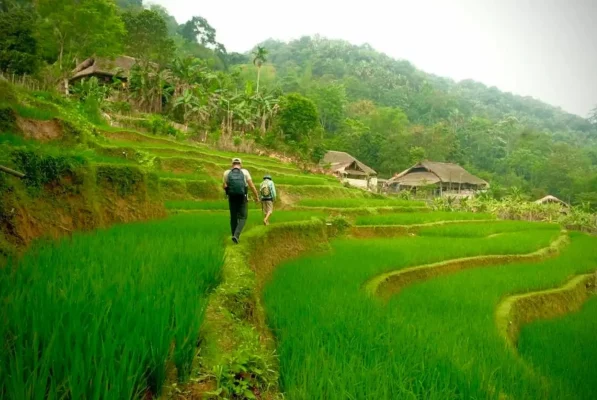
Hoang Su Phi is not located directly on the classic Loop. It should be planned as a separate extension rather than treated as a short stop between Ha Giang City and Dong Van.
A balanced combined trip normally requires five to seven days:
- Days 1–3: Complete the Ha Giang Loop.
- Days 4–5: Travel to Hoang Su Phi and stay at Panhou Retreat.
- Days 5–6: Join a guided trek, explore local culture or enjoy a slower day in nature.
- Final day: Return to Hanoi or continue through northern Vietnam.
Why stay at Panhou Retreat after the Loop?
Several days on a motorbike can be physically demanding. Long riding periods may leave travellers with tired shoulders, legs and back muscles.
At Panhou Retreat, the pace changes from road travel to rest, walking and cultural exploration. Depending on the selected package and availability, experiences may include:
- Guided trekking through terraced fields and forests.
- Visits to Red Dao villages.
- Traditional Red Dao herbal bathing.
- Local meals and regional ingredients.
- Shan Tuyet tea experiences.
- Quiet time among gardens, streams and mountain scenery.
The combination provides two perspectives on Ha Giang. The Loop reveals limestone plateaus, high passes and remote roads, while Hoang Su Phi offers terraced landscapes, walking trails and a slower connection with local life.
Practical Tips for a Ha Giang Loop Tour 3 Days 2 Nights
- Large suitcases are not suitable for the motorbike journey. Leave your main luggage in Ha Giang City and carry only essential clothing, personal items and waterproof protection.
- Temperatures can vary between valleys and mountain passes. Wear several light layers that can be added or removed throughout the day.
- Protect your phone, passport, camera and electronic equipment. Rain can arrive quickly, even outside the main wet season.
- A three-day itinerary already includes substantial daily distances. Avoid asking the driver to increase speed to reach additional viewpoints.
- Do not self-drive after drinking alcohol. Easy Riders and tour operators should also maintain clear safety standards throughout the journey.
- Ask what happens when severe weather, road closures or transport delays affect the itinerary. Understand the conditions for changing dates or receiving a refund.
FAQ
1. How long is the Ha Giang Loop?
The Ha Giang Loop generally covers around 350 to 400 kilometres, depending on the selected route and detours. Most travellers complete it in three or four days.
2. Is a 2 night Ha Giang Loop enough?
Yes. Three days and two nights are enough to see the principal highlights, including Quan Ba, Dong Van, Ma Pi Leng Pass and Meo Vac. The itinerary can feel busy, so a four-day tour is better for travellers who prefer a slower pace.
3. What is a 3D2N Ha Giang Loop?
A 3d2n Ha Giang Loop is a three-day, two-night journey that begins and usually ends in Ha Giang City. Guests stay in two different mountain destinations while travelling through the main Loop attractions.
4. Is a Ha Giang Loop tour 3 days 2 nights suitable for beginners?
Yes, particularly when travelling with an experienced Easy Rider. Beginners without mountain-riding experience should not use the Loop as a place to learn self-driving.
5. Should I choose an Easy Rider or drive myself?
Choose an Easy Rider when you do not have extensive motorbike experience, valid documents or suitable insurance. Self-driving is appropriate only for confident and properly licensed riders.
6. How many hours will I ride each day?
Daily riding time depends on the route, road conditions and number of stops. Travellers should expect several hours on the road each day, divided by meals, viewpoints and village visits.
7. Where do travellers stay during the tour?
Accommodation varies by itinerary. Many tours include a night in Dong Van and another in Meo Vac, Du Gia or a nearby village. Confirm whether the tour includes private or shared rooms.
8. What is the best time to book a two-night Ha Giang Loop?
March to May and late September to November are generally the most comfortable periods. Book early for October, weekends and public holidays.
9. Can I combine Ha Giang Loop with Hoang Su Phi?
Yes. Allow at least five days for a faster combination or six to seven days for a more balanced journey. Hoang Su Phi is separate from the classic Loop, so additional transfer time is required.
10. Is Panhou Retreat located on the Ha Giang Loop?
No. Panhou Retreat is located in Hoang Su Phi, outside the classic Loop route. It works best as a separate extension before or after the three-day road journey.

3D2N NATIONAL DAY OFFER | JOURNEY INTO GREEN SEASON
From 125 USD/Guest/Combo
3D2N GOLDEN SEASON IN HOANG SU PHI
From 114 USD/Guest/Combo