The Cap Sac Ceremony – The Sacred Journey to Manhood of the Red Dao People
| CultureThe Cap Sac Ceremony is one of the most sacred and time-honored rituals of the Red Dao people, a spiritual milestone marking a man’s passage into adulthood. For centuries, this ritual has symbolized enlightenment, responsibility, and the recognition of one’s role within both the religious and communal life of the Dao. Beyond its spiritual significance, it is a cultural event of profound beauty, allowing visitors a rare glimpse into the soul of Dao traditions and beliefs.
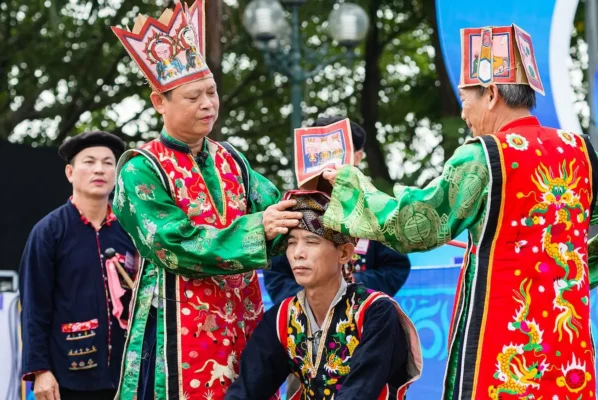
Among the Dao communities in Tuyen Quang, many ancestral customs are still carefully preserved, especially life-cycle rituals, with Cap Sac being the most important of all. The ceremony recognizes a man’s maturity and officially acknowledges him as a descendant of Ban Vuong, the revered ancestor of the Dao people. During the ritual, the initiate receives a spiritual name (known as phap danh), symbolizing his rebirth into the spiritual world. After completing the ceremony, he gains the right to lead ancestral rites, serve as a spiritual mediator, and eventually become a ritual master within the community.
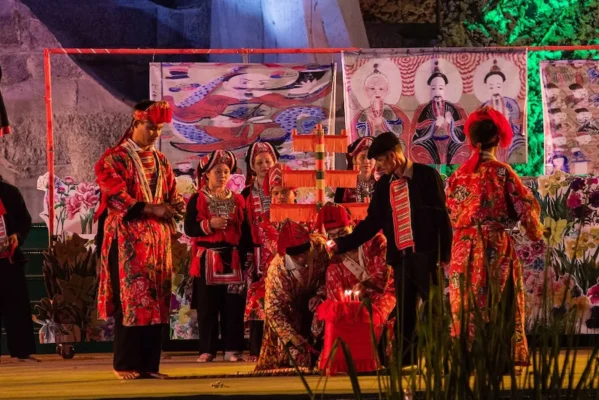
In the Dao language, “Cap Sac” is also called Qua Tang or Qua Tangh, meaning “passing through the light.” It represents enlightenment, a spiritual awakening that illuminates the path of one’s life. The ceremony is often held during the post-harvest season, when work is light and the community can gather. Preparation may take months, as the family must raise livestock, collect offerings, and prepare food for relatives and villagers who attend.
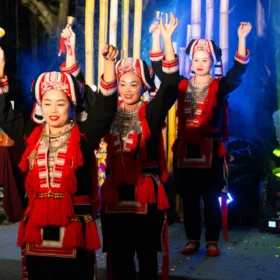
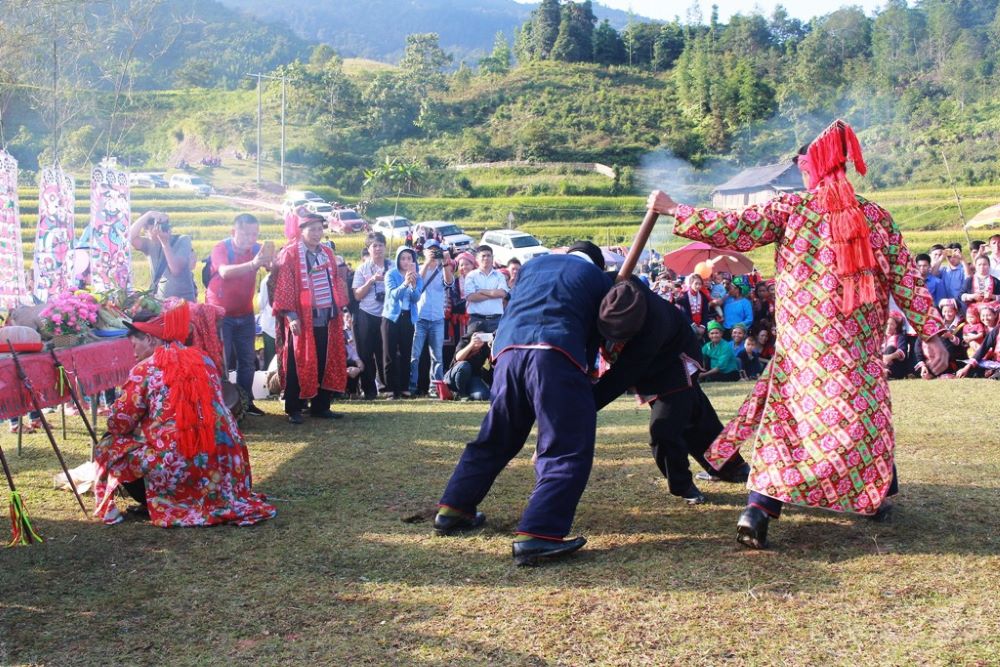
The ritual, lasting several days, involves numerous stages such as receiving the spiritual teacher, lighting the sacred lamps, conferring the spiritual name, performing ceremonial dances, and completing the transmission of sacred knowledge. Each act is filled with symbolism. The lamp embodies wisdom and enlightenment, the sword and bell signify strength and compassion, and the chants and dances serve as bridges connecting humans with the divine, the past with the present.
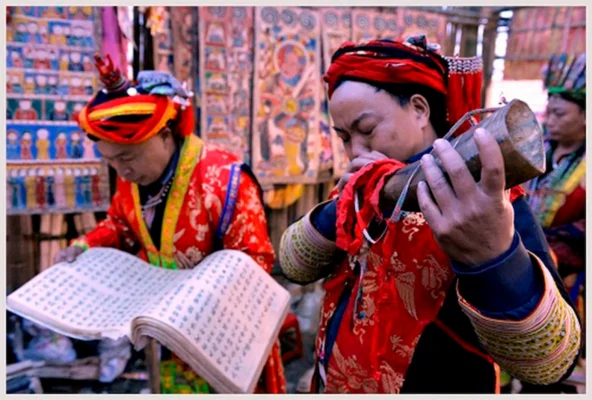
For the Red Dao people, Cap Sac is not simply a rite of passage. It is a spiritual journey of purification and transformation that instills moral guidance, faith, and the duty to preserve ancestral traditions.
Even today, despite the influence of modern life, the Cap Sac ceremony remains a living heritage, lovingly preserved by the Dao community. Each ceremony strengthens family ties, fosters cultural pride, and ensures that the sacred light of tradition continues to shine brightly amid the ancient forests of Hoang Su Phi.
FAQ
1. What is the “Cấp Sắc” ritual of the Dao people?
Cấp Sắc is a long-standing traditional ritual that marks the spiritual coming of age of Dao men. It recognizes them as full members of religious and community life.
2. What is the meaning of the Cấp Sắc ritual for participants?
After the ritual, the man receives a sacred name, is recognized as a descendant of Bàn Vương (the Dao ancestor), and gains the right to perform religious rituals, worship ancestors, and may become a ritual master.
3. When is the Cấp Sắc ritual held and for whom?
The ritual is usually held for boys from around 10 years old and is organized during the agricultural off-season, when families have time and conditions for proper preparation.
4. What important rituals and symbols are included in the Cấp Sắc ceremony?
The ceremony includes steps such as receiving a master, receiving ritual lamps, being given a sacred name, learning ritual dances, and conducting worship ceremonies. Symbols such as lamps, swords, bells, and ritual dances all carry deep spiritual meanings.
5. Why is the Cấp Sắc ritual still preserved today?
Despite modern changes in society, the Cấp Sắc ritual is preserved as a core cultural heritage, helping younger generations understand their roots, strengthen community bonds, and maintain Dao traditional values.
Ngọc Vân