Bánh Chít – A Traditional Dish Of The Red Dao People
| ExperiencesBánh chít, also known as “bánh chưng gù” (humpback sticky rice cake), is a traditional dish of the Red Dao people living in the northern mountainous regions of Vietnam, especially in Ha Giang and Lao Cai.
This special cake is typically prepared during important traditional celebrations, particularly on the Full Moon of the First Lunar Month and the Full Moon of the Seventh Lunar Month. These occasions are meaningful times for families to express gratitude and respect to their ancestors and to nature.
Ingredients And Preparation
The ingredients used to make bánh chít are simple and locally sourced. One of the most important elements is chít leaves, a plant commonly found in the northern mountains. The leaves are large, vibrant green, and grow upright in clusters reaching 1–1.5 meters in height. They resemble the dong leaves often used in lowland sticky rice cakes but are usually around 35 cm long and 8–10 cm wide. Only fresh, large green leaves are selected, while yellow or damaged leaves are discarded.
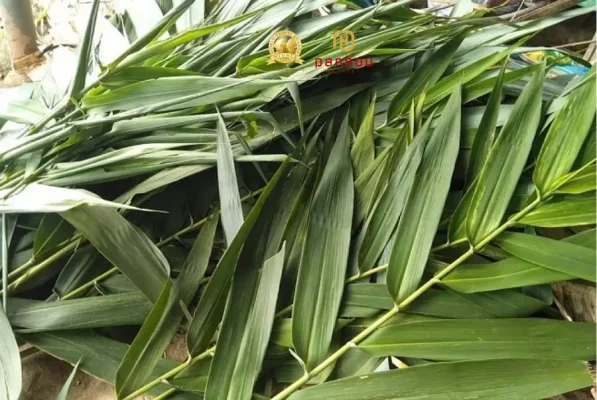
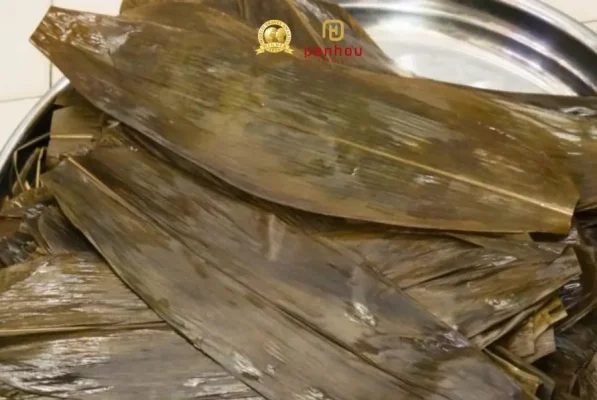
After harvesting, the leaves are trimmed, gently washed to avoid tearing, and briefly blanched in boiling water for about 2–3 minutes. This step softens the leaves, enhances their natural aroma, and helps preserve the cake longer.
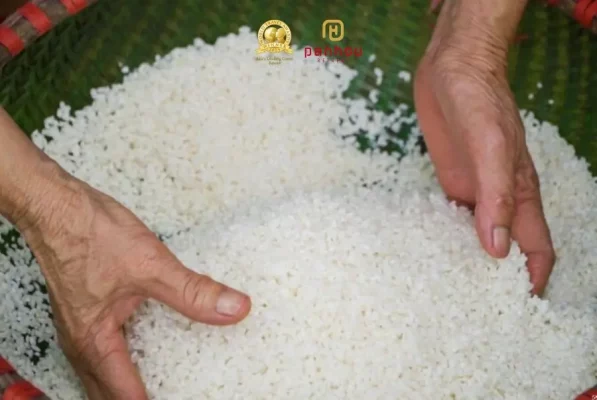
Another essential ingredient is upland sticky rice, chosen carefully for its round grains, natural fragrance, and excellent stickiness. Before wrapping, the rice is soaked for 2–4 hours in water mixed with straw ash. This traditional method gives the cake its distinctive dark color and helps maintain its soft texture after cooking.
Wrapping And Cooking Process
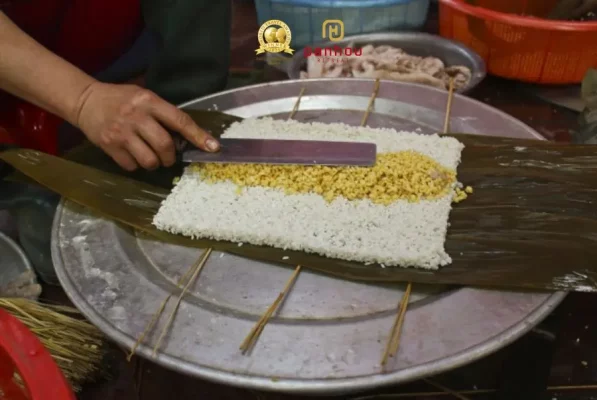
The filling typically consists of pork belly, cut into pieces and marinated with salt, pepper, and local forest herbs used by the Red Dao people. Mung beans, carefully selected and steamed, add a nutty flavor and richness to the cake.
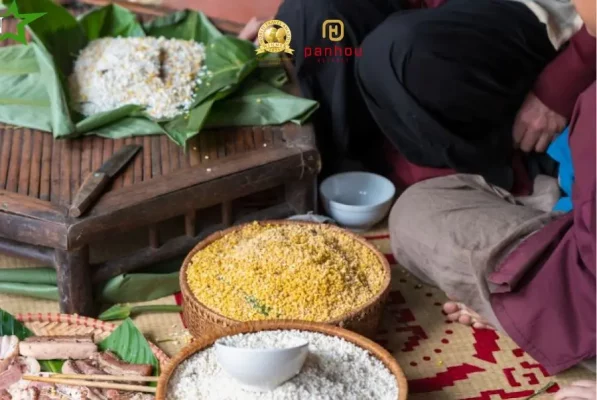
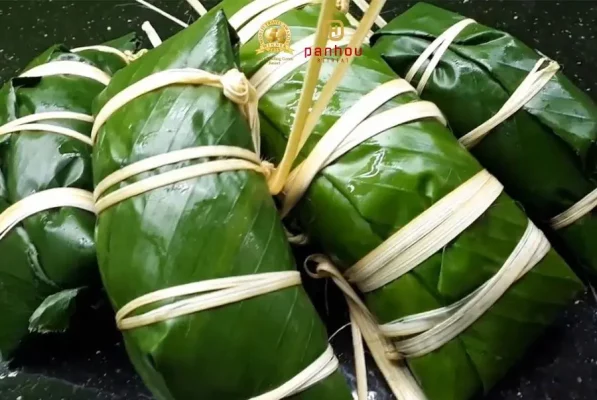
Wrapping bánh chít requires patience and skill. Because chít leaves are smaller and thinner than dong leaves, the cook usually layers 15–20 leaves together before adding rice and filling in the center. The cake is then carefully wrapped and tied with soft bamboo strips into a distinctive “humpback” shape.
This unique shape carries cultural meaning. The “hump” symbolizes the resilience and strength of the Red Dao people, reflecting their enduring connection with the mountains and forests.
Flavor And Preservation
After being boiled for 8 – 12 hours, bánh chít develops a glossy black color. The sticky rice becomes soft and fragrant, blending beautifully with the aroma of chít leaves, the richness of pork belly, and the nuttiness of mung beans. Another advantage of using chít leaves is that they allow the cake to dry faster after cooking, which helps extend its shelf life. Under normal conditions, bánh chít can be preserved for 3–4 days.
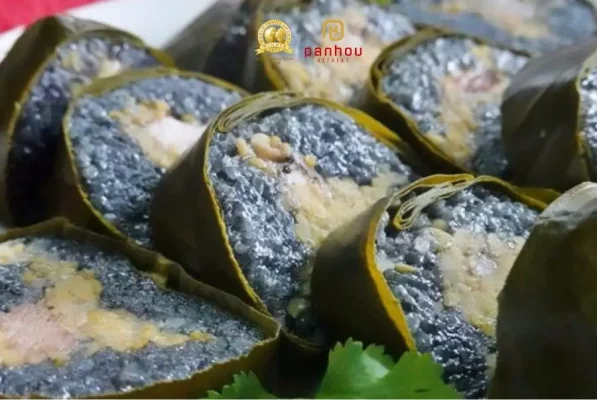
For the Red Dao people, bánh chít is not just a dish but a cultural gift that carries traditional values, the flavors of nature, and the deep connection between people and the mountainous landscape. At Panhou Retreat, bánh chít has been chosen as part of the Cooking Class experience, allowing guests to discover the authentic culinary heritage and traditions of the Red Dao community.
FAQ
1. What is Bánh Chít?
Bánh chít, also known as Bánh Chưng Gù (Hunchback glutinous rice cake), is a traditional sticky rice cake of the Red Dao people in northern Vietnam.
2. When is Bánh Chít usually prepared?
It is commonly made during important celebrations such as the Full Moon of the First and Seventh Lunar Months.
3. What are the main ingredients of Bánh Chít?
Chít leaves, upland sticky rice, pork belly, mung beans, and traditional mountain herbs.
4. What is unique about the wrapping method?
The cake is wrapped in many layers of chít leaves and shaped into a humpback form symbolizing the resilience of the Red Dao people.
5. Why does Panhou Retreat include bánh chít in its cooking class?
Because it is a traditional dish deeply rooted in Red Dao culture and offers visitors a meaningful way to learn about local culinary traditions.
Ngọc Vân

HOT DEALS
3D2N NATIONAL DAY OFFER | JOURNEY INTO GREEN SEASON
From 125 USD/Guest/Combo
HOT DEALS
3D2N GREEN SUMMER FOR FAMILY
From 114 USD/Guest/Combo
HOT DEALS