Best Time To Go To Ha Giang & Explore Ha Giang Loop
| ExperiencesThe best time to go to Ha Giang is from September to November in autumn and from March to April in spring. September to November usually brings drier weather, clearer skies, golden rice terraces and colourful buckwheat flower fields. Meanwhile, March and April offer mild weather, blooming peach and pear flowers, and a peaceful atmosphere across the northern mountains.
When Is the Best Time To Go to Ha Giang?
According to Vietnam Tourism, September to November is a suitable period for exploring Ha Giang because temperatures become cooler. April to June is generally warm and pleasant, while July and August can be hotter with frequent monsoon rainfall.
March and April provide another balanced option for travellers who enjoy trekking. Spring weather is relatively mild, vegetation begins turning green, and peach, plum or pear blossoms may appear across many highland areas.
For visitors interested in rice terraces, the best time to visit Ha Giang depends on the scenery they want to experience. Hoang Su Phi enters its water-pouring season around May and June, followed by green rice fields from July to August. The golden rice season mainly occurs between September and October.
Flower Season from March to April
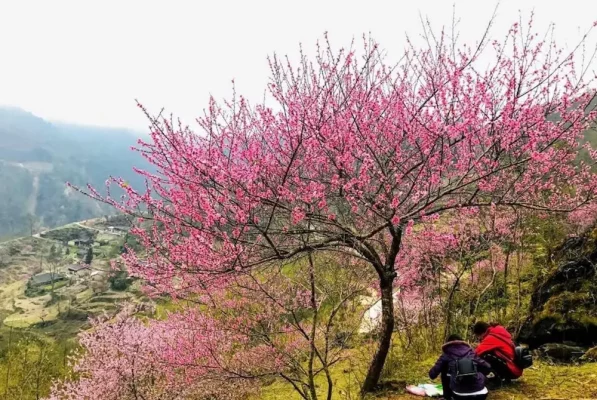
Spring, from March to April, is one of the most suitable periods for exploring Ha Giang. According to Vietnam Tourism, the spring landscape is characterised by pink peach blossoms, white plum and pear flowers, and scattered mustard fields across the valleys. Ha Giang becomes especially colourful when peach blossoms bloom around Lung Cu Flag Tower, Quan Ba, Yen Minh, Pho Cao and Meo Vac.
After the cold winter months, temperatures begin to rise and the weather becomes less chilly. Average temperatures range from 15°C to 25°C. Mornings and evenings are often cool, while daytime brings gentle sunshine suitable for spring excursions and flower viewing.
This is also the season of festivals and early-year cultural activities. Travellers may encounter spring markets, the Gau Tao Festival, the Long Tong Festival and various ceremonies organised by Mong, Dao, Tay and Nung communities. Festival dates often depend on the lunar calendar and the traditions of each locality.
- Spring markets: These markets are not only trading places but also spaces for meeting, socialising and enjoying highland cuisine.
- Gau Tao Festival: This festival reflects the identity of the Mong people and creates a lively atmosphere through traditional cultural activities.
- Long Tong Festival: The festival is connected to the agricultural life of Tay and Nung communities and expresses hopes for favourable weather and productive harvests.
- Early-year ceremonies: Mong, Dao, Tay and Nung communities organise rituals to pray for peace, good health and prosperity.
Water-Pouring Season from May to June
May and June mark the period when temperatures rise, humidity increases and rain begins to appear more frequently. Water from mountain streams and natural springs is directed into individual terraces in preparation for the new rice crop.
When the fields are filled with water, their surfaces become mirrors reflecting the sky, clouds and surrounding mountains. Changing light creates different colours across the landscape from early morning until late afternoon.
According to Vietnam Tourism, June and July are when the rice terraces of Hoang Su Phi sparkle during the water-pouring season.
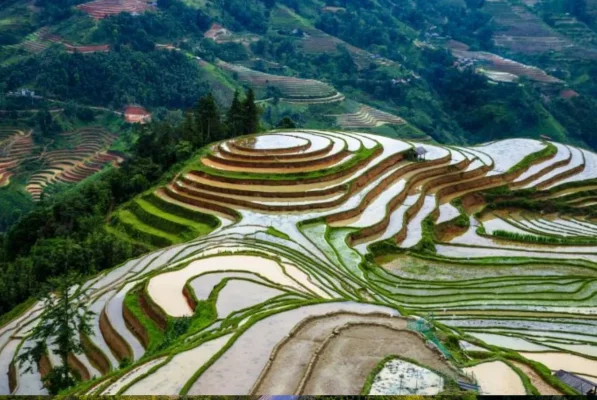
The attraction of this season extends beyond the landscape. Along trekking routes, visitors can observe local farmers repairing terrace banks, preparing the soil and getting ready for planting. The rice terraces appear as part of everyday agricultural life rather than simply photography destinations.
Watering schedules vary between villages. One area may already have completely flooded terraces, while another may still be preparing the soil. Travellers should contact their accommodation provider or local guide before departure to check the actual conditions.
Dirt paths can become muddy or slippery after rainfall. Trekking shoes with good grip, raincoats, waterproof bags and quick-drying clothing are important items to prepare.
Is Early May a Good Time to Do the Ha Giang Loop?
Yes. Early May is usually quite warm, the landscape becomes greener and rainfall is not yet consistently as heavy as midsummer. However, weather conditions can change quickly, so travellers should check the forecast before departure. This period is also suitable for combining the Ha Giang Loop with Hoang Su Phi, although flooded terraces may not appear evenly across all villages.
Green Rice Season from July to August
July and August represent the most noticeable rainy period in Ha Giang, bringing hot, humid weather and sudden showers. Rain does not always continue throughout the day; gentle sunshine, mist and clear intervals may alternate quickly. However, rainfall can make mountain passes slippery and travelling more difficult.
After planting, the rice terraces of Hoang Su Phi gradually change from light green to deeper shades. Layered fields spread across mountain slopes and blend with lush forests, waterfalls and full-flowing streams. The landscape feels soft, refreshing and less crowded than during the golden rice season. Nature lovers can enjoy the peaceful atmosphere of the northern highlands during this period.
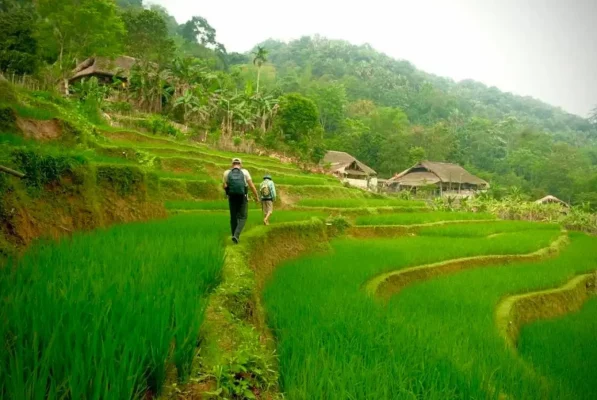
July and August are not usually the peak season for major festivals in Ha Giang. Cultural highlights instead come from the rhythm of agricultural life, when travellers can observe villagers caring for rice fields, directing water and completing daily activities. Highland markets and regional dishes, including free-range chicken and smoked pork, also create memorable local experiences.
Golden Rice Season from August to November
Autumn is widely regarded as one of the most beautiful seasons for travelling to Ha Giang. After the rainy summer months, temperatures begin to cool and soft sunlight spreads across the mountain roads.
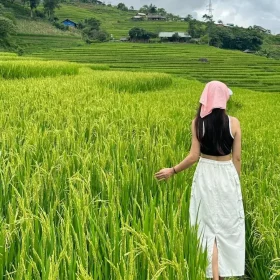
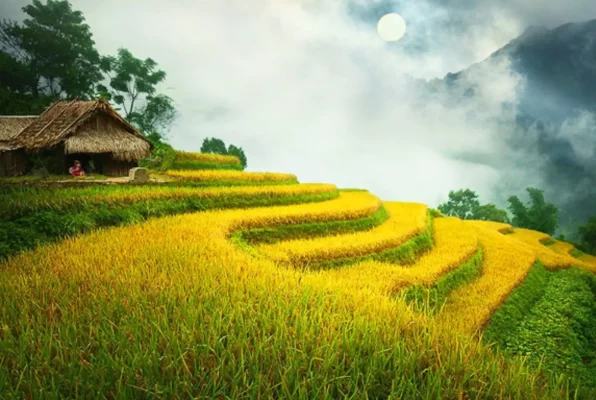
The main highlight during this period is the golden rice season in Hoang Su Phi. The rice terraces gradually change from green to yellow, covering mountain slopes and valleys with layered golden fields. Ban Phung, Ban Luoc, Ho Thau, Nam Ty and Thong Nguyen are popular areas for trekking and photography. At the beginning of winter, especially in December, travellers may still encounter late-season buckwheat flower fields across the Dong Van Karst Plateau.
Buckwheat Flower Festival: Activities are usually organised toward the end of the year during the flowering season from October to December on the Dong Van Karst Plateau. The official opening date changes according to each year’s programme.
Rice usually begins changing colour around the middle of September and may be harvested in early or mid-October. However, the ripening period is not identical across every village. Altitude, rice varieties, planting dates and weather conditions all influence harvesting schedules.
Winter from December to February
Winter is the coldest period in Ha Giang. The average temperature is approximately 15.3°C. Temperatures may fall further during the early morning, at night and in high-altitude areas. Thick mist often covers the valleys and creates an atmospheric, peaceful landscape.
After the harvest, the rice terraces turn earthy brown and blend with the ancient forests. The scenery is less colourful than during the golden rice season but carries a rustic beauty. Travellers seeking privacy and a slower rhythm often appreciate this period.
From late January to February, Lunar New Year celebrations and early-year cultural activities become more vibrant. Visitors may encounter local markets and traditional ceremonies performed to welcome luck. A particular highlight is the fire-dancing ceremony of the Red Dao people, organised during the agricultural off-season from the sixteenth day of the tenth lunar month until mid-January.
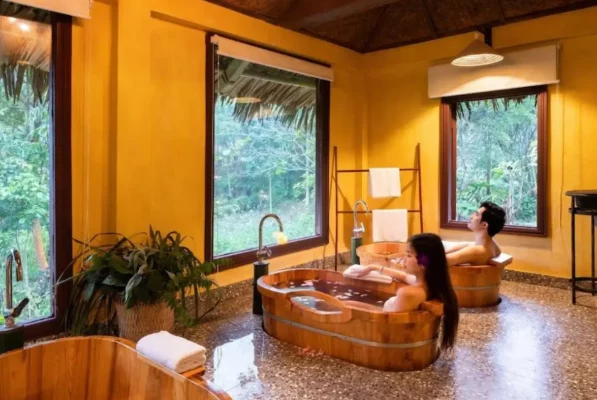
This is also an appropriate period for relaxing, enjoying tea, taking a Red Dao herbal bath and soaking in mineral water at Panhou Retreat. Travellers should prepare thermal clothing, windproof jackets, scarves and closed shoes. Those doing the Ha Giang Loop should avoid departing too early when the morning mist remains thick.
How to Choose the Best Ha Giang Travel Season for the Loop
The ideal Ha Giang travel season does not depend solely on temperature but also involves scenery, transportation and physical fitness. Travellers should consider their mountain-driving experience and the total amount of time available for the journey. A suitable itinerary should include additional time for unexpected changes in Ha Giang weather.
Best Season for the Ha Giang Loop
The Ha Giang Loop is suitable for travellers who want to explore rocky mountains, high passes and valleys by motorbike. Visitors can choose a car when they prefer a more comfortable journey that requires less physical effort. The route normally begins in Ha Giang City and continues through Quan Ba, Yen Minh, Dong Van and Meo Vac. Travellers then follow a suitable connecting route to return to Ha Giang City.
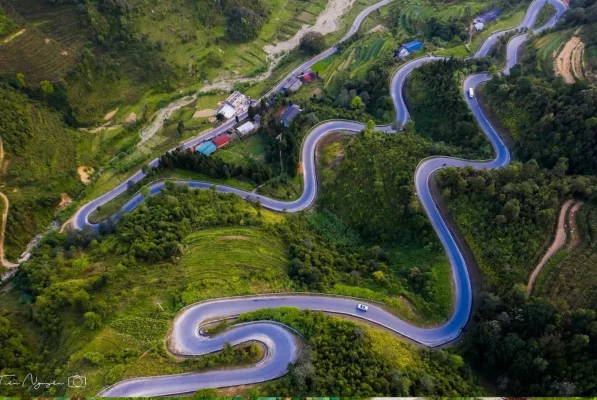
According to Vietnam Tourism, a four-day itinerary following National Highways QL4C and QL34 passes through several important destinations. The following periods are generally considered the most suitable:
- March to April: Mild weather, colourful spring landscapes and relatively moderate visitor numbers.
- September to November: Buckwheat flower fields create the distinctive seasonal scenery associated with Ha Giang.
When Should You Avoid the Ha Giang Loop?
Early May can bring occasional showers, but the journey may remain suitable when the weather forecast is stable. July and August fall within the rainy season, although travellers do not necessarily need to avoid these months. However, itineraries should remain flexible in case conditions suddenly become worse.
Travellers without mountain-driving experience should consider travelling with an experienced local driver. Those driving independently need a valid licence, strong vehicle-control skills and experience handling steep slopes and sharp bends. The ability to control a vehicle on wet roads is particularly important during rain or thick mist.
Travellers should reconsider their plans when warnings are issued for landslides, storms or tropical depressions affecting northern Vietnam. The journey should not continue when visibility is severely reduced by thick fog or roads are closed. Roadworks, poor health and insufficient mountain-driving experience are also valid reasons to postpone the trip.
Choosing a Trekking Season in Hoang Su Phi
Hoang Su Phi is suitable for travellers who want a break from the continuous movement of the Ha Giang Loop. Instead of spending most of the journey sitting on a motorbike or in a car, visitors can walk through rice terraces, forests, tea hills and traditional villages.
Each season offers a different experience:
- March to April: Mild weather suitable for trekking and exploring local villages.
- May to June: Water-filled terraces reflecting the sky and surrounding mountains.
- July to August: Green rice fields, lush forests and streams carrying more water.
- September to October: Golden rice terraces ideal for trekking and photography.
- November to February: A peaceful, cold period suitable for relaxation and physical recovery.
Trekking in Hoang Su Phi is not only about completing a particular distance. The journey creates opportunities to meet local communities, learn about terrace cultivation and observe the relationship between forests, water sources and village life.
Relaxing at Panhou Retreat
The Ha Giang Loop is known for its rocky plateau, dramatic mountain passes and motorbike adventures. Hoang Su Phi offers a slower experience focused on trekking, relaxation and local culture.
A balanced itinerary can begin with three or four days exploring the Ha Giang Loop. Travellers can then spend two or three nights in Hoang Su Phi to enjoy the rice terraces. At Panhou Retreat, guests can also take a Red Dao herbal bath, soak in mineral water and taste local Shan Tuyet tea.
Panhou Retreat develops several trekking routes through Nam Hong and Nam Ty, where visitors can admire golden rice terraces. Some programmes combine picking, roasting and tasting Shan Tuyet tea with local residents. Two-day, one-night and three-day, two-night packages are suitable for travellers seeking moderate physical activity. These journeys often combine trekking, accommodation at the retreat and experiences related to local village life.
Packing for Different Ha Giang Travel Seasons
Regardless of the travel period, visitors should prioritise layered clothing. Temperatures can differ considerably between valleys, mountain passes and forest areas.
Spring and Autumn
- A lightweight jacket or windbreaker.
- A light raincoat.
- Walking shoes with good traction.
- A hat and sunscreen.
Summer and the Rainy Season
- Quick-drying clothing.
- A fully waterproof raincoat.
- Waterproof bags for electronic devices.
- Slip-resistant trekking shoes.
- Insect repellent.
- One spare set of clothing.
Winter
- Thermal clothing.
- A windproof jacket.
- A scarf, gloves and warm socks.
- Closed shoes.
- Moisturiser and lip balm.
Trekking travellers should carry water, light snacks and personal medication. Luggage should remain compact for easier movement along dirt roads and narrow paths between rice terraces.
Frequently Asked Questions
1. When Is the Best Time to Go to Ha Giang?
March–April and September–November are generally best, offering pleasant weather, beautiful scenery and relatively limited rainfall.
2. When Should I Visit Ha Giang Province?
Choose your travel period according to your preferred scenery, from flooded terraces to green fields and golden rice.
3. When Should I Avoid the Ha Giang Loop?
Delay the Ha Giang Loop during heavy rain, flash floods, landslides, storms or extremely thick mountain fog.
4. Is Early May a Good Time to Do the Ha Giang Loop?
Early May can be suitable, but travellers should always check the weather forecast carefully before departing.
5. Should I Do the Three-Day or Four-Day Ha Giang Loop?
Three days suit shorter schedules, while four days provide more time for resting, photography and cultural exploration.
6. When Does the Rainy Season Begin in Ha Giang?
The rainy season usually begins in May, with heavier rainfall occurring between June and August.
7. Which Month Is Best for Golden Rice in Hoang Su Phi?
September to early October is generally the best period for seeing golden rice terraces in Hoang Su Phi.
8. Should I Visit Ha Giang in July or August?
Travelling remains possible, but visitors need flexible itineraries and should monitor weather forecasts carefully throughout the journey.
Ngoc Van

3D2N NATIONAL DAY OFFER | JOURNEY INTO GREEN SEASON
From 125 USD/Guest/Combo
3D2N GOLDEN SEASON IN HOANG SU PHI
From 114 USD/Guest/Combo