Dao Ethnic Cuisine: Signature Dishes, Herbs and Highland Flavors
| ExperiencesDao ethnic cuisine is connected with mountain forests, herbs and highland life in Northwest Vietnam. From herbal chicken soup, khau nhuc and bánh chưng gù to bamboo rice and smoked pork, each dish carries rustic flavor and a cultural story of the Dao people.
What is Dao ethnic cuisine?
Dao ethnic cuisine reflects the culinary character of Dao communities living in the northern mountains. This food culture is shaped by upland fields, forests, local markets and family meals.
Common ingredients include native chicken, black pork, upland sticky rice, bamboo shoots, stream fish and forest vegetables. Many dishes are also seasoned with ginger, garlic, mac khen, doi seeds and local herbs.
Dao food is often rustic, savory and rich with the scent of mountain spices. Some dishes are warming, slightly bitter and especially suitable for the cool highland climate. Dao cuisine should not be seen as exactly the same everywhere. Each Dao branch, region and family may have its own cooking style.
What makes the cuisine of the Dao ethnic group special?
The cuisine of the Dao ethnic group is special because it is closely tied to forests, seasons and local knowledge. The dishes are not overly complicated, but they are often flavorful, nourishing and deeply connected with mountain life.
Forest herbs and medicinal plants
The Dao people, especially Red Dao communities, are well known for their herbal knowledge. These herbs are not only used in herbal baths, but also appear in several traditional dishes.
Herbal stews often have a deep fragrance, warming flavor and a slightly bitter aftertaste. For local families, these dishes are often prepared to warm the body and restore energy.
A bowl of herbal chicken soup is more than a delicious dish for cold days. It also shows the connection between food and traditional wellness knowledge.
Mountain ingredients and seasonal food
Dao cuisine depends strongly on the living environment around each village. People cook what is in season, grown in upland fields or gathered from local gardens.
Upland sticky rice, forest bamboo shoots, native chicken, stream fish, forest vegetables and black pork are common ingredients. These humble ingredients create familiar flavors that feel especially close to the highlands. That is why Dao family meals are simple but rich in mountain culture.
Slow cooking, smoking and steaming
Many Red Dao dishes use slow cooking methods such as stewing, steaming, grilling, fermenting and smoking above the kitchen fire. These techniques help ingredients become softer, more flavorful and easier to preserve.
Pork is hung above the kitchen fire so smoke and heat slowly dry the meat. Herbal chicken is simmered until the broth absorbs the scent of medicinal plants. Bamboo rice is cooked in bamboo tubes over glowing charcoal, creating a soft and fragrant texture.
These techniques create flavors closely associated with the highland kitchen. The taste of smoke, bamboo, fragrant leaves and herbal spices blends into each dish.
What are the signature dishes of the Dao people?
The signature dishes of the Dao people often include herbal chicken soup, khau nhuc, bánh chưng gù, bamboo rice and smoked pork. Other dishes may include stream fish with sour bamboo shoots, colorful sticky rice and seasonal forest vegetables.
Herbal chicken soup: A nourishing Red Dao dish
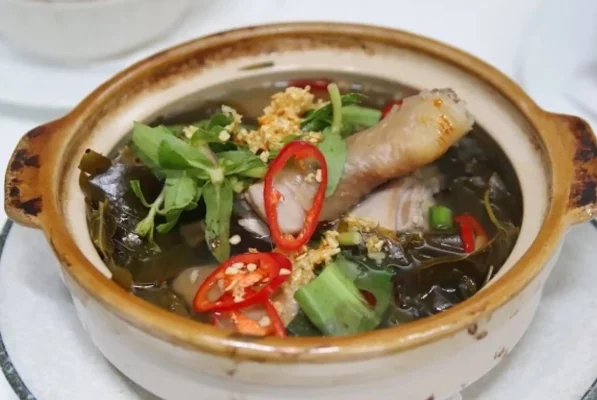
Herbal chicken soup is a meaningful dish in Red Dao food culture. This dish uses precious herbs such as forest ginseng, goji berries, red dates and different forest roots.
Ingredients
The dish is usually made with native chicken or free-range black chicken, known for firm meat and natural sweetness. The chicken is cooked with roots, medicinal leaves, ginger, salt and sometimes rice wine.
The herbal mixture can vary from one family to another. Some plants are gathered from the forest, while others are grown around the home.
Flavor
Herbal chicken soup has a warming taste, deep aroma and gentle sweetness from the chicken. The broth usually carries a clear fragrance of herbs and ginger.
Some herbs create a slightly bitter aftertaste, but they do not make the dish difficult to enjoy. This light bitterness is balanced by the sweetness of chicken and the warmth of ginger.
This dish is especially suitable for cold weather, rainy days or after walking mountain trails.
How it is cooked
The chicken is cleaned, cut into pieces or kept whole depending on family cooking habits. The herbs are washed and placed in a pot with the chicken and water.
The dish is simmered slowly until the meat becomes tender and the broth absorbs the herbal aroma. When served hot, it brings a warm, comforting feeling and is considered good for digestion.
Khau nhuc: Soft pork belly with local spices
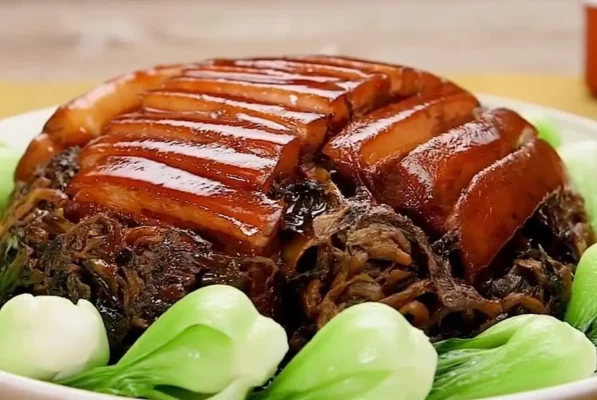
Khau nhuc is a rich pork dish found in many northern mountain communities. Among Dao families, it may appear during feasts, celebrations or meals prepared for guests.
Ingredients
The main ingredient is pork belly, usually chosen with both lean meat and fat. The pork is seasoned with ginger, garlic, rice wine, local spices and sometimes preserved vegetables.
The seasoning can vary by region and family. Because khau nhuc is not exclusive to the Dao, each place may have its own cooking style.
Flavor
Khau nhuc has a soft, fatty texture with a rich taste and long-cooked spice aroma. When prepared well, the pork becomes so tender that it almost melts in the mouth.
The fat does not feel too heavy because it is steamed or braised for a long time with rice wine and ginger. The wine and spices give the dish a rich, savory aftertaste and a warm meat aroma.
How it is cooked
The pork belly is carefully prepared, seasoned and then steamed or braised for several hours. Slow cooking makes the meat tender, the fat clearer and the sauce more flavorful.
Khau nhuc is often served with white rice, sticky rice or local vegetables. It is usually more expensive than simple everyday dishes because of its ingredients and long preparation time.
Bánh chưng gù: A highland sticky rice cake
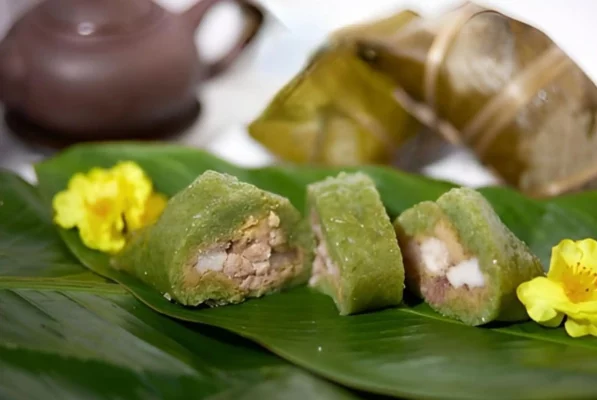
Bánh chưng gù is a traditional Tet dish among some Red Dao communities. Its curved shape is often associated with the bent back of highland women at work. This makes it different from the square bánh chưng commonly eaten by the Kinh people.
Ingredients
The cake is usually made from upland sticky rice, mashed green beans and pork. The pork may be black pork or local pork belly raised in the mountains.
The filling is wrapped in dong leaves, galangal leaves or other local forest leaves, depending on the region. The seasoning is usually simple, mainly salt and pepper.
Flavor
Bánh chưng gù has the chewy fragrance of sticky rice, the nuttiness of beans and the richness of pork. The wrapping leaves add a gentle aroma, giving the cake a strong highland feeling.
When eaten hot, the cake is soft, firm and very filling. It is suitable for cold days, festive meals or long journeys.
How it is cooked
Sticky rice is washed, soaked properly and wrapped with green beans and pork. The cake is shaped into its distinctive curved form, tied tightly and boiled for many hours.
Long boiling makes the rice sticky, the filling soft and the leaf aroma absorb into the cake. The cake often appears during Tet, festivals, weddings or meals prepared for guests.
Bamboo rice: Upland sticky rice cooked in bamboo tubes
Bamboo rice is a familiar dish in many northwestern mountain areas. For the Dao and other highland communities, it shows a simple but creative cooking method.
Ingredients
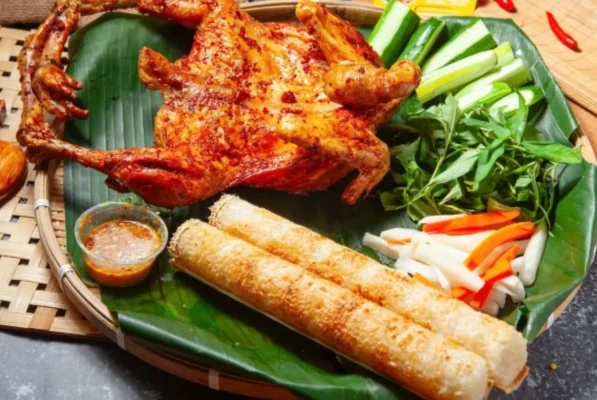
The main ingredient is upland sticky rice, known for its fragrance and soft texture. The rice is placed inside bamboo or young bamboo tubes with clean water.
A little salt may be added to serve with the rice. Bamboo rice is often served on banana leaves with sesame salt, grilled chicken and smoked pork.
Flavor
Bamboo rice is softer and more fragrant than rice cooked in a normal pot. It has a natural bamboo aroma and a clean, rustic flavor.
When eaten with grilled meat or sesame salt, bamboo rice becomes more savory and satisfying. This dish shows the skill of highland people in using natural materials.
How it is cooked
Sticky rice is placed inside bamboo tubes with enough water. The tubes are then cooked over charcoal or low fire until the outside becomes slightly blackened, a sign that the rice is done.
When the rice is cooked, the outer bamboo layer is gently peeled away. The rice inside keeps its cylindrical shape and carries a pleasant bamboo fragrance.
Smoked pork: The flavor of the highland kitchen
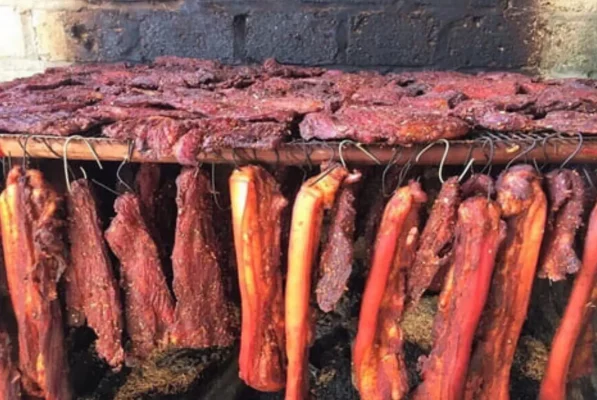
Smoked pork is a distinctive highland dish connected with traditional food preservation. The aroma of kitchen smoke is what gives this dish its unforgettable character.
Ingredients
The dish is usually made with black pork or local pork, known for firm and fragrant meat. The meat is seasoned with salt, ginger, garlic, mac khen, doi seeds or local spices.
Wood smoke is the most important element in making smoked pork. Smoke and kitchen heat slowly dry the meat, preserve it longer and create a distinctive aroma.
Flavor
Smoked pork has a salty taste, smoky aroma, slightly crunchy texture and deep savory flavor. Mac khen and doi seeds give the meat a peppery fragrance strongly associated with mountain cuisine.
The longer the pork hangs above the fire, the deeper its smoky aroma and flavor become. Before eating, it is usually grilled again, steamed until soft or stir-fried with forest vegetables.
How it is cooked
The pork is cut into long pieces, seasoned and hung above the kitchen fire. Smoke from the wood fire dries the meat slowly over many days or weeks.
Before serving, the meat may be heated again to become softer and more aromatic. Hosts often slice it thinly to serve with rice or bread.
Stream fish with sour bamboo shoots
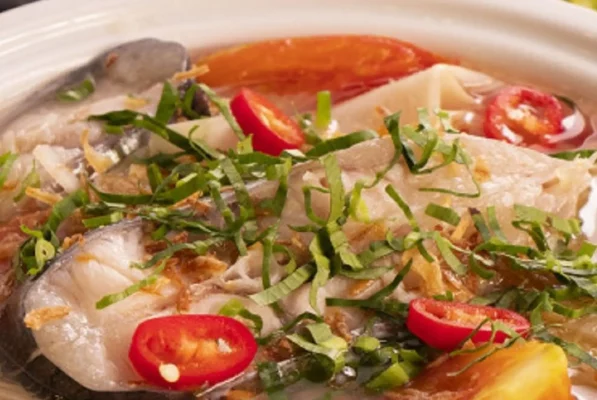
In mountain areas, bamboo shoots and stream fish are easy to find near forests and streams. Fish may be grilled, fried until crisp or braised with sour bamboo shoots.
Ingredients
The dish often uses small stream fish, sour bamboo shoots, ginger, garlic, chili and local herbs. Some families may add forest leaves or their own local spices.
Sour bamboo shoots play an important role because they balance the natural flavor of the fish. Their light acidity also makes the broth cleaner and reduces fishiness.
Flavor
Stream fish has a natural sweetness, firm texture and relatively few bones. When braised with sour bamboo shoots, the dish becomes gently sour, warm and perfect with rice.
If the fish is grilled, it gains a smoky aroma and firmer skin. If it is braised, the broth becomes softer, lighter and suitable for a family meal.
How it is cooked
The fish is cleaned, seasoned and then grilled or braised with sour bamboo shoots. The bamboo shoots add balanced acidity and make the fish easier to enjoy.
This dish has a strong local character because its ingredients come from nearby streams, forests and villages.
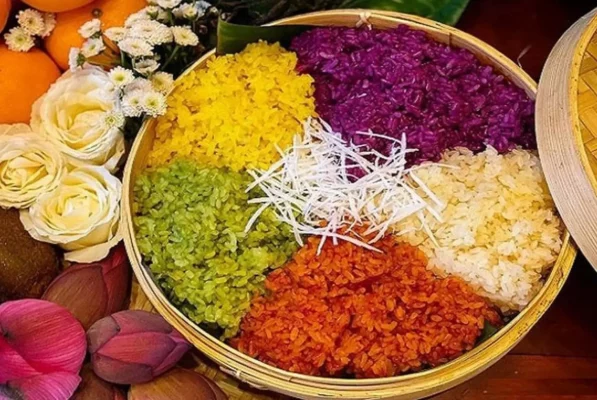
Colorful sticky rice for festive days (Xôi ngũ sắc)
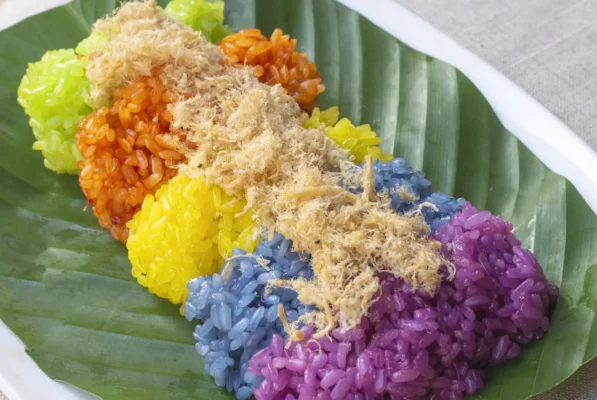
Colorful sticky rice for festive days (Xôi ngũ sắc) appears in many northern mountain communities. Some Dao groups also prepare this dish for festivals, Tet, worship rituals and weddings.
Ingredients
The dish is made from sticky rice and natural coloring ingredients. Colors may come from pandan leaves, magenta leaves, butterfly pea flowers, beetroot and other plant-based sources.
Common colors include red, yellow, purple, green and white. However, the final palette may change depending on each region and family method.
Flavor
Xôi ngũ sắc is chewy, fragrant, gentle and easy to eat. Natural colors may give the rice a soft leafy aroma.
It is often eaten with grilled meat, sesame salt or savory dishes. The bright colors make the dish suitable for joyful and important occasions.
How it is cooked
Natural leaves and roots are boiled in water to extract their colors. Sticky rice is divided into portions and soaked in the colored water. Then the rice is steamed until soft and sticky.
The beauty of this dish comes not only from color, but also from decoration. It shows the care and creativity involved in using natural ingredients.
Grilled chicken with mac mat leaves
Grilled chicken with mac mat leaves is a fragrant dish found in many northern mountain areas. It is not exclusive to the Dao, but it can appear in highland meals.
Ingredients
The dish usually uses native chicken, mac mat leaves, doi seeds, mac khen and local spices. Some places may add extra mac khen to create a stronger aroma.
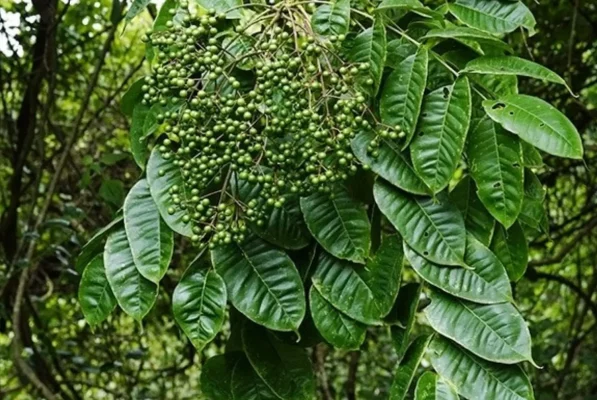
Mac mat leaves are important because they create the dish’s distinctive fragrance. Their scent is lightly sour, gentle, aromatic and very easy to recognize.
Flavor
Native chicken has firm, naturally sweet meat that does not become mushy. When grilled over charcoal, the skin becomes more fragrant and slightly firm.
Mac mat leaves add a fresh aroma and a light sour note that pairs well with chicken. When served hot, the dish tastes savory, smoky and memorable.
How it is cooked
The chicken is marinated with spices and mac mat leaves before grilling. It is then slowly grilled over charcoal until the skin turns golden and the meat becomes tender.
This dish is especially suitable for dinner after trekking or walking through highland villages. The aroma of leaves and charcoal makes the meal feel warmer.
Rice wine in Red Dao meals
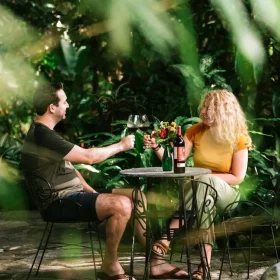
For the Red Dao people, rice wine is not only a drink during meals, but also a sign of hospitality. When guests visit, during festivals, Tet or family gatherings, a cup of wine is often offered as a warm greeting and a gesture of respect.
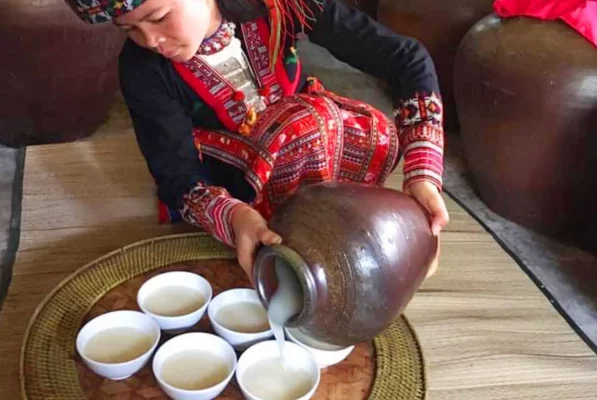
Rice wine also helps create a sense of connection during highland meals. A small cup can begin a conversation, warm the space and bring people closer. For local people, drinking together is not only about taste, but also about sharing joy, family affection and community spirit.
In Red Dao meals, rice wine often goes with rich dishes such as smoked pork, khau nhuc, grilled meat or stews. Its warm sharpness helps balance fatty flavors, making the meal feel complete in the cool mountain climate.
Where can travelers experience Dao ethnic cuisine?
Travelers can try Dao ethnic cuisine at homestays, local markets, family meals or community-based experiences. Suitable destinations include Sa Pa, Hoang Su Phi, Ha Giang, Tuyen Quang, Cao Bang and Yen Bai.
The most memorable experiences are not always found in large restaurants. Sometimes, they come from a simple meal after trekking or a hot dish at a local market.
A local guide or host can explain the ingredients and cooking methods. Thanks to this, the meal becomes a cultural experience, not only a tasting moment.
Experiencing Dao ethnic cuisine at Panhou Retreat
Panhou Retreat is located in the cultural landscape of Hoang Su Phi, where travelers can approach Red Dao life more deeply. Beyond food, guests can explore nature, village paths and local communities.
At Panhou Retreat, a meal can become an important part of the cultural experience. Each dish carries fresh flavors from mountain forests and herbs nurtured by favorable highland weather.
Travelers can combine local food with trekking, market visits and Red Dao herbal bathing. At Panhou Retreat, guests can discover Dao culture through flavors, herbs, village paths and highland rhythms.
Dao cuisine as a distinctive taste of Northwest culture
Dao ethnic cuisine is more than a list of Northwest specialties. It is how the Dao people connect with forests, seasons, family and herbal knowledge.
Dishes such as herbal chicken soup, khau nhuc, bánh chưng gù, bamboo rice and smoked pork all carry their own stories. They reflect patience, resourcefulness, hospitality and family memory.
For travelers, learning about food makes a journey through the northern mountains more meaningful. A meal can open a story about culture, people and everyday life.
Panhou Retreat is a suitable starting point for this discovery. Through local flavors, nature, village paths and herbal knowledge, travelers can understand Dao culture more deeply.
Frequently asked questions
1. What are the signature dishes of the Dao people?
The signature dishes of the Dao people often include herbal chicken soup, khau nhuc, bánh chưng gù, bamboo rice, smoked pork and stream fish with sour bamboo shoots. Some dishes also use forest vegetables, herbs and local spices.
2. What makes Dao ethnic cuisine different?
Dao ethnic cuisine is different because of forest herbs, seasonal ingredients, slow cooking methods and kitchen smoke. Many dishes reflect the Dao relationship with forests, upland fields and family knowledge.
3. Is Red Dao food spicy?
Red Dao food can have warming notes from ginger, pepper and mac khen, but not every dish is strongly spicy. Sour bamboo shoots, fermented dishes and grilled meat with mac khen are often the spicier options.
4. What ingredients are common in Dao cuisine?
Common ingredients include native chicken, black pork, upland sticky rice, bamboo shoots, stream fish and forest vegetables. Other ingredients include ginger, garlic, mac khen, doi seeds and local medicinal plants.
5. Where can travelers try Dao cuisine in Ha Giang?
Travelers can try Dao cuisine at homestays, local markets and community experiences in Hoang Su Phi. Some local meals can also be combined with trekking and Red Dao herbal bathing.
6. Is Dao cuisine connected with herbal traditions?
Yes. The cuisine of the Dao ethnic group is often connected with herbal knowledge, especially among Red Dao communities. Herbs may appear in stews, soups, drinks and wellness experiences.

3D2N NATIONAL DAY OFFER | JOURNEY INTO GREEN SEASON
From 125 USD/Guest/Combo
3D2N GOLDEN SEASON IN HOANG SU PHI
From 114 USD/Guest/Combo