Best Ha Giang Rice Terraces In Vietnam
| ExperiencesIn 2012, the Ha Giang rice terraces were recognized as a National Heritage Site by Vietnam’s Ministry of Culture, Sports and Tourism. The most impressive terraced landscapes are concentrated in Ban Phung, Ban Luoc, Ho Thau, Thong Nguyen and Nam Ty. Below is a quick comparison of the best places to admire the rice terraces of Hoang Su Phi.
Ban Phung
Ban Phung is a highland commune near the border area of Hoang Su Phi, covering approximately 17.04 square kilometres. It is surrounded by high mountains, deep valleys and small villages nestled among terraced rice fields.
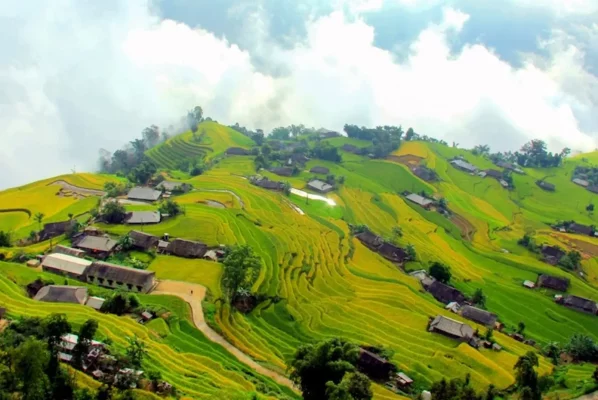
Ban Phung is home to some of the highest and most dramatic rice terraces in Hoang Su Phi. The terraces have been cultivated for generations by the La Chi and Co Lao ethnic communities. They cling to steep mountain slopes, forming graceful layers that seem to rise towards the sky. From elevated viewpoints, visitors can admire countless terraces cascading into the valley. As the sun rises, its angled rays illuminate the fields, creating a vast and poetic landscape particularly loved by photographers.
Ban Phung has a population of approximately 2,149 people. Residents live across eight villages: To Meo, Na Pha, Cum Pu, Na Leng, Pu Mo, Lung Cau, Thong Nhat and Phung Ca. Local livelihoods remain closely connected to agriculture and terraced rice farming.
Best Time to Visit Ban Phung
- The most spectacular golden rice season in Ban Phung lasts from mid-September to early October. Average daytime temperatures range from 26°C to 32°C. The weather can be hot and sunny, so visitors should wear breathable clothing and bring sunscreen and a sun hat.
- The green rice season runs from July to mid-September. Young rice plants cover the mountain slopes, creating a lush and vibrant landscape. The weather is generally warm, with occasional rain showers.
- The water-pouring season takes place from May to June, marking the beginning of a new rice-growing cycle. Water from mountain streams is channelled into the terraces, transforming them into giant mirrors that reflect the clouds and sky.
Travel Tips for Ban Phung
From the centre of Vinh Quang Town, visitors must travel along nearly 30 kilometres of winding mountain roads to reach Ban Phung. The route follows the mountainside and reveals wide views of forests, valleys and cascading terraces.
Visitors should begin their journey at around 5:00 am to watch the clouds and start trekking through the rice terraces at approximately 8:00 am. Trekking shoes with reliable grip are recommended because the paths between the fields are often narrow and slippery.
As Ban Phung lies at a relatively high elevation, early-morning temperatures can fall to around 15–18°C, with frequent mist. Visitors should bring a windproof jacket for the evening and early morning.
Where to Stay in Ban Phung
Chi Tai Homestay is located in To Meo Village, Ban Phung, close to the rice terraces and popular sunrise viewpoints. Reference accommodation rates include:
- Dormitory bed: approximately VND 80,000–100,000 per person per night.
- Double room: approximately VND 200,000 per room per night.
- Family room: approximately VND 400,000 per room per night.
This is a suitable choice for travellers who want to stay inside the village and begin photographing the terraces early in the morning. Accommodation can fill quickly during the golden rice season, so visitors should contact the property directly to confirm current rates and availability.
Ban Luoc
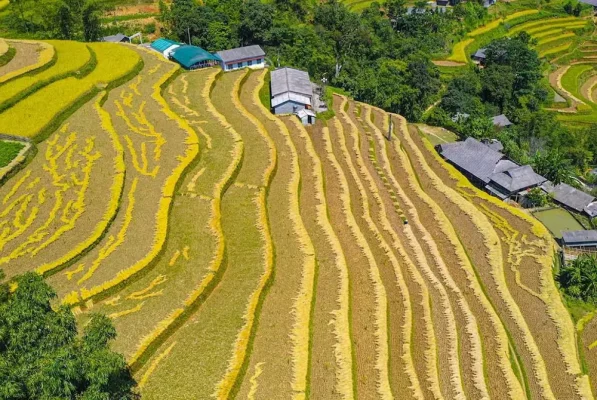
Ban Luoc is home to one of the largest terraced rice-growing areas in Hoang Su Phi. The village is known for its fields curving along the mountain slopes, interspersed with small houses and vast green forests.
In August, the landscape is covered by the vibrant green of growing rice. From mid-September, the terraces gradually turn yellow as the harvest season approaches.
Weather and the Best Time to Visit Ban Luoc
July and August are ideal for admiring the green rice terraces. Daytime temperatures generally range from 27°C to 33°C, while nighttime temperatures are around 22–25°C. Summer is hot and humid, with temperatures occasionally reaching approximately 35°C. Visitors should bring light, breathable clothing and enough drinking water.
Rain showers frequently occur in the afternoon or evening. Small village roads may become slippery after prolonged rainfall. From mid-September to early October, temperatures usually fall to around 19–28°C. The cooler weather makes walking, photography and village exploration more comfortable.
Travel Tips for Ban Luoc
Located approximately 10–15 kilometres southeast of central Hoang Su Phi, Ban Luoc lies within the heart of the nationally recognized terraced landscape. From the town centre, visitors can travel south to reach the village. The distance is relatively short, although several sections of the road wind around steep mountain slopes.
Ban Luoc consists of several small villages scattered among mountains, forests and rice fields, each offering a distinctive landscape. Travelling with a local porter or guide is recommended. During the harvest season, avoid blocking the paths used by residents to transport rice.
Where to Stay in Ban Luoc
Nam Ly Retreat is located in the Ban Luoc area, close to the rice terraces and local walking trails. Room rates displayed on several accommodation platforms range from approximately VND 416,000 to VND 500,000 per room per night.
Prices may increase at weekends and during the golden rice season from mid-September to early October. Before booking, visitors should confirm whether the room includes a private bathroom, breakfast and dinner.
Ho Thau
Ho Thau is a highland commune in the Hoang Su Phi area, located at the foot of Chieu Lau Thi Mountain. It is distinguished by its unspoilt mountain scenery, terraced rice fields winding along the slopes and ancient Shan Tuyet tea hills. The cool climate and distinctive soil conditions produce teas with a natural fragrance, rich flavour and lingering finish.
Ho Thau has also been home to the Red Dao community for generations. Alongside exploring the rice terraces, visitors can learn about traditional clothing, customs and local ways of life.
Best Time to Visit Ho Thau
Ho Thau lies more than 952 metres above sea level. Its climate is generally cool, while temperatures can become cold at night. The commune is also located along the route used by travellers heading towards the summit of Chieu Lau Thi.
During July and August, daytime temperatures usually range from 25°C to 31°C. Warm daylight conditions make it easier to explore Ho Thau and continue towards Chieu Lau Thi.
In late September and early October, windy morning temperatures can fall below 17°C. Clouds and mist frequently cover the area, particularly during early mornings and periods of high humidity. When conditions are clear, visitors can watch layers of clouds drifting through the valleys. Warm jackets and scarves are recommended.
The climate is divided into two main seasons. The rainy season generally lasts from May to October, while the dry season runs from November to April.
Travel Tips for Ho Thau
Ho Thau has steep terrain divided by numerous streams, making some routes challenging to navigate. Visitors should hire a local porter or guide who understands the area.
For the best chance of seeing a spectacular sea of clouds, begin the journey before sunrise, at around 5:00 am. Check the weather before departure because dense fog may appear unexpectedly. During the rainy season, pay particular attention to road conditions, loose rocks and reduced visibility while driving.
Where to Stay in Ho Thau
Ho Thau Eco-Village is located in Ho Thau Commune, at the foot of the Chieu Lau Thi area. The property offers traditional-style stilt houses and guest rooms close to the rice terraces and ancient tea forests.
Reference room rates are approximately VND 1,050,000 per room per night. Previous promotional programmes have offered rates of approximately VND 550,000–750,000, including breakfast.
Thong Nguyen
Thong Nguyen is part of the Hoang Su Phi area, close to Vietnam’s northern border. It lies approximately 350 kilometres from Hanoi, and the journey can take around five hours by car under favourable road conditions.
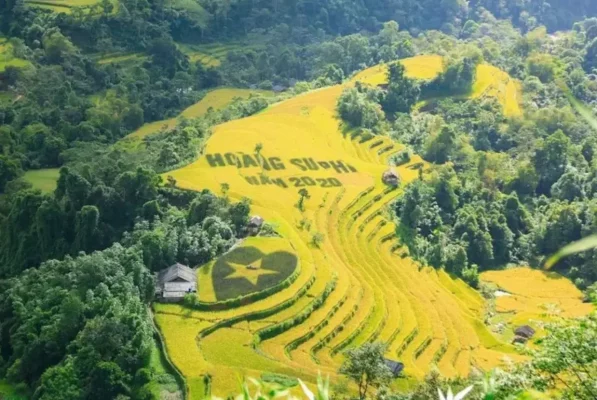
Although the journey is relatively long, the terraced rice fields, mountains and villages of Thong Nguyen make it worthwhile. Layers of fields curve around the slopes, creating a spacious, peaceful and vibrant setting. Compared with more popular destinations, Thong Nguyen remains relatively uncrowded, making it suitable for a quiet mountain retreat.
The terraces remain unspoilt and resemble giant steps rising towards the sky. Red Dao and Tay communities continue to preserve their long-standing traditions among dramatic mountains and remarkable natural scenery.
Best Time to Visit Thong Nguyen
Thong Nguyen experiences four distinct seasons, and the appearance of its rice terraces changes throughout the year. Visitors can capture a variety of landscapes as the fields move through different stages of the growing cycle.
From late May to June, Thong Nguyen enters the water-pouring season. The flooded terraces reflect the blue sky and shimmer under the sunlight. Clouds drifting above the water-filled fields create a peaceful and atmospheric setting that photographers should not miss.
July and August bring the green rice season. Daytime temperatures can reach approximately 34°C and may feel quite hot. As young rice plants cover the terraces, the entire hillside takes on a refreshing green colour. The vast landscape feels both peaceful and full of life, promising a productive harvest ahead.
From September to early October, the rice terraces gradually turn a brilliant golden colour. Temperatures generally range from 18°C to 28°C, creating cool and pleasant conditions that are ideal for trekking.
Travel Tips for Thong Nguyen
Visitors can choose a day trek or a multi-day journey with overnight stays at local homestays. Recommended equipment includes a lightweight windproof jacket, hat, sunglasses and trekking shoes with reliable grip.
Begin trekking in the morning to avoid the strongest midday sun. Travelling with a local guide also offers a better understanding of village life, farming traditions and regional culture.
Where to Stay in Thong Nguyen
Panhou Retreat is located in the Lang Giang area of Thong Nguyen, surrounded by gardens, streams and mountains. Reference prices listed on the official website include:
- Deluxe Balcony room: from approximately VND 3,200,000 per room per night.
- Deluxe Balcony room with two meals: from approximately VND 4,053,000 per room per night.
- Two-day, one-night retreat package: from approximately VND 2,120,000 per person, based on a minimum of two guests.
- Three-day, two-night water-pouring season package: from approximately VND 3,270,000 per person.
Prices may vary according to the room category, number of guests, included meals and promotional programme. Panhou Retreat is suitable for travellers who want to combine trekking with a traditional Red Dao herbal bath.
A more affordable alternative is Mong Ngua Homestay in Nam Hong Village, with rates of approximately VND 986,000 per room per night.
Nam Ty
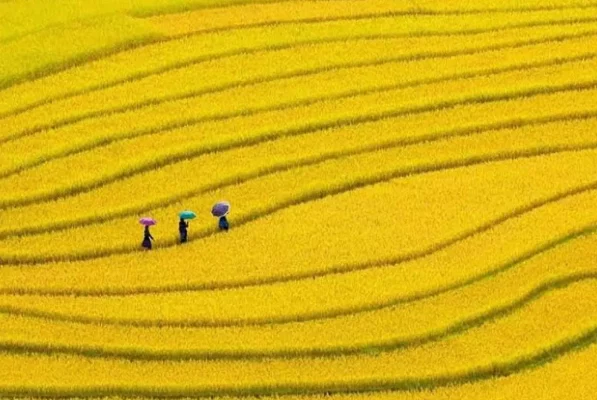
Nam Ty was formerly a highland commune in Hoang Su Phi District, situated near the Chieu Lau Thi area. It is one of the higher destinations in the region and is known for its extensive rice terraces, unspoilt mountain scenery and peaceful atmosphere.
Nam Ty has mountainous terrain divided by rocky ravines and small streams. These natural conditions have shaped layers of terraces that curve around the hillsides, particularly in the Nam Pien and Ho Pien areas.
Weather and the Best Time to Visit Nam Ty
Nam Ty has a relatively cool climate throughout the year. Its conditions support highland crops such as Shan Tuyet tea, cardamom, Anoectochilus orchids and other valuable medicinal plants. Most residents are Red Dao, alongside smaller Mong and Tay communities. Their villages are scattered among mountains, rice terraces and tea plantations.
During July and August, temperatures generally range from 23°C to 31°C. On some sunny days, they may rise above 32°C. This is the best period to admire endless green rice terraces.
From mid-September to early October, temperatures are generally around 28°C. The cooler conditions make this an excellent time for trekking and seeing the beautiful golden rice terraces. From October to November, visitors may also see buckwheat flowers blooming across the hillsides.
Travel Tips for Nam Ty
Visitors should explore Nam Ty with a local guide because many routes pass through forests and cultivated land without clear signs. Essential items include trekking shoes, drinking water, a lightweight raincoat and some cash.
Local communities continue to preserve traditional clothing, customs and important ceremonies such as the coming-of-age ceremony and fire-dancing festival. The combination of terraced landscapes and indigenous culture gives Nam Ty its distinctive appeal. Always request permission before photographing or recording traditional ceremonies.
Where to Stay near Nam Ty
Nam Ty currently has limited accommodation within its smaller villages. Visitors can stay in Thong Nguyen and join a day trek or excursion to Nam Ty. Two accessible options include:
- Panhou Retreat: from approximately VND 3,200,000 per room per night.
- Mong Ngua Homestay: approximately VND 986,000 per room per night.
This arrangement provides reliable accommodation while allowing convenient access to Nam Ty and neighbouring villages.
Best Time to See the Ha Giang Rice Terraces
The Ha Giang rice terraces have three main scenic seasons: the water-pouring season, green rice season and golden harvest season. Higher areas such as Ban Phung and Ho Thau are generally colder than Thong Nguyen during the early morning.
| Season | Period | Reference temperature | Landscape | Weather notes |
|---|---|---|---|---|
| Water-pouring season | Late May to June | Approximately 20–31°C | Flooded rice fields reflecting the sky and shimmering beneath golden sunlight | Rain is possible, and roads may become muddy |
| Green rice season | July to August | Approximately 23–34°C | Endless green rice fields suggesting a promising harvest | Hot, humid, rainy and occasionally misty |
| Golden rice season | Mid-September to early October | Approximately 18–28°C | Golden terraces filled with heavy, ripening rice plants | Cooler conditions with less rainfall |
| Post-harvest season | Mid- to late October | Approximately 16–26°C | Harvested fields, quieter scenery and the beginning of the buckwheat flower season | Colder during the early morning |
Panhou Retreat – A peaceful retreat in Thong Nguyen
Panhou Retreat is located in the Lang Giang area of Thong Nguyen, close to several trekking routes through beautiful terraced fields. It is suitable for travellers seeking private accommodation, peaceful surroundings and professionally organized experiences.
Deluxe Balcony rooms are listed from approximately VND 3,200,000 per night. Packages including two meals start from approximately VND 4,053,000 per room per night.
Visitors may also choose a two-day, one-night retreat package for approximately VND 2,120,000 per person. The three-day, two-night water-pouring season package starts from approximately VND 3,270,000 per person and applies to a minimum of two guests.
From Panhou Retreat, visitors can explore Thong Nguyen, Nam Hong and Nam Ty. Experiences may include trekking, village visits, Red Dao herbal bathing and local cuisine.
FAQ
1. Where are the best rice terraces in Ha Giang?
The best rice terraces in Ha Giang are mainly concentrated in the Hoang Su Phi area. The most notable destinations include Ban Phung, Ban Luoc, Ho Thau, Thong Nguyen and Nam Ty. Ban Phung is known for its high and steep terraces, while Ban Luoc has one of the largest terraced landscapes. Ho Thau combines rice fields with cloud hunting, and Thong Nguyen is ideal for trekking and nature-based stays.
2. What activities are usually included in a Ha Giang rice terrace trekking tour?
A typical Ha Giang rice terrace trekking tour includes walking through rice fields, visiting ethnic villages and having lunch in a local community. Travellers may also combine the tour with cloud hunting in Ho Thau, exploring Chieu Lau Thi or enjoying a traditional Red Dao herbal bath in Thong Nguyen.
3. When is the best time to see the Ha Giang rice terraces?
The Ha Giang rice terraces are most beautiful from late May to early October. The water-pouring season runs from late May to June, when flooded fields reflect the clouds and sky. July and August bring lush green rice, while the terraces turn golden between mid-September and early October.
4. Are July and August good months for seeing the rice terraces?
Yes. July and August are excellent months for seeing the green rice season. The terraces are covered in vibrant green and surrounded by forests, streams and villages. September to mid-October is usually the most popular period because travellers can admire the golden rice terraces Vietnam is famous for.
5. Where should visitors stay while exploring the Ha Giang rice terraces?
Visitors can stay at Chi Tai Homestay in Ban Phung, Nam Ly Retreat in Ban Luoc or Ho Thau Eco-Village near Chieu Lau Thi. In Thong Nguyen, Panhou Retreat is suitable for travellers who want to combine trekking with wellness experiences. Mong Ngua Homestay is a more affordable option near Nam Hong and Nam Ty.
Ngoc Van

3D2N NATIONAL DAY OFFER | JOURNEY INTO GREEN SEASON
From 125 USD/Guest/Combo
3D2N GOLDEN SEASON IN HOANG SU PHI
From 114 USD/Guest/Combo