Healthy Diet Lifestyle in Hoang Su Phi | Natural Detox & Red Dao Wellness
| ExperiencesFor generations, the indigenous communities of Hoàng Su Phì have followed a nature-aligned macrobiotic lifestyle through the consumption of organic, fresh, and seasonal foods such as purple upland rice, wild forest vegetables, and ancient Shan Tuyết tea. This nutritional approach emphasizes alkaline-rich ingredients and antioxidant-dense foods that support digestion and restore balance between body, mind, and spirit. It is a wellness journey designed for those seeking holistic recovery and a meaningful escape from urban pressures.
What Is a Nature-Aligned Diet and Why Does It Support Effective Detoxification?
A nature-aligned diet is not merely a list of foods, but a philosophy of living rooted in the harmony between the human biological rhythm and the cycles of the natural world. At Panhou Retreat, this approach is defined through the use of local ingredients cultivated, harvested, and prepared directly in Hoàng Su Phì without chemical preservation or long-distance transportation.
The body-cleansing mechanism of this lifestyle comes from supplying natural enzymes and unprocessed plant compounds. By consuming clean and nutrient-rich foods, the liver and kidneys are relieved from the burden of processing industrial additives, allowing the body to redirect energy toward self-repair and the elimination of free radicals accumulated through prolonged exposure to urban pollution.
The “Golden” Food Groups for Detoxification and Mind-Body Restoration
The Red Dao people’s “from farm to table” culinary philosophy in Hoàng Su Phì transforms every meal into a ritual of balance and renewal. To optimize detoxification and recovery, the menus at Panhou Retreat focus on three highly nutritious ingredient groups:
1. Naturally Alkaline Foods: Indigenous Forest Vegetables
Wild vegetables such as fiddlehead ferns, lá sắng leaves, wild cape gooseberry greens, and bamboo shoots are hand-harvested daily from ancient forests. These plants are rich in fiber and naturally alkaline, helping neutralize excess acidity in the body often caused by stress and processed foods. Supporting the body’s alkaline balance is an important step in reducing inflammation and strengthening the immune system.
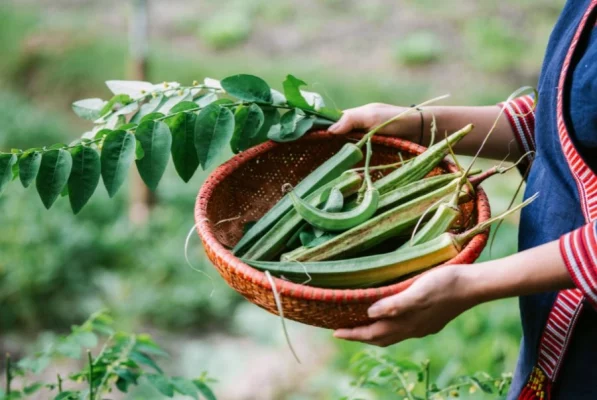
2. Slow-Release Carbohydrates Rich in Anthocyanins: Purple Upland Rice and Mountain Sticky Rice
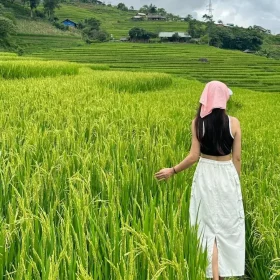
Unlike refined white rice, purple upland rice and mountain sticky rice are cultivated on terraced fields through long growing cycles, absorbing the full richness of the highland soil and climate.
Purple upland rice is naturally rich in antioxidants, fiber, and essential minerals. In particular, it contains high levels of Anthocyanins, powerful antioxidant compounds that help cleanse blood vessels and slow the aging process. This grain supports digestion, promotes long-lasting satiety, and is especially suitable for people following healthy diets, supporting cardiovascular wellness, maintaining stable blood pressure, and caring for long-term health in middle-aged and elderly individuals.
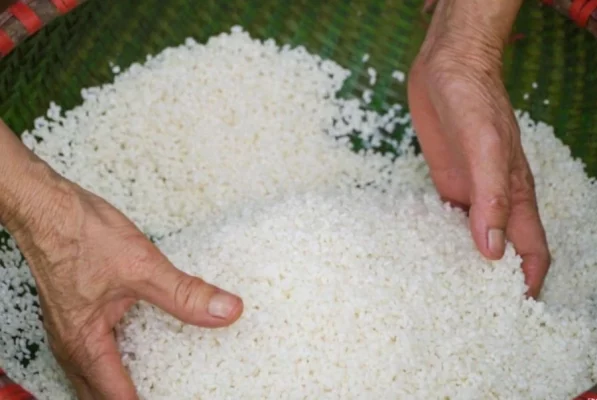
Mountain sticky rice is a staple grain consumed daily by ethnic communities throughout Northwestern Vietnam and especially in Hoàng Su Phì. This traditional rice retains its nutrient-rich bran layer, packed with B vitamins and dietary fiber that support healthy digestion and help naturally cleanse accumulated waste from the digestive system.
3. Ancient Shan Tuyết Tea: A Detox Ritual from the Peaks of Tây Côn Lĩnh
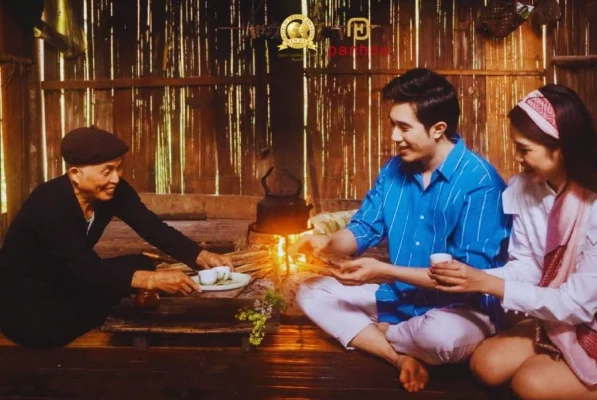
Ancient Shan Tuyết tea is harvested from wild tea trees growing naturally on high mountain ranges, many of which are hundreds of years old in Northwestern Vietnam, especially in Hoang Su Phi. The tea buds are covered in a delicate layer of silvery white fuzz resembling snow, which gives the tea its name “Shan Tuyết.” Grown in cold climates, dense mountain mist, and mineral-rich soil, the tea develops a deep aroma, gentle bitterness, and a lingering sweet aftertaste rarely found in industrial tea varieties.
Gardening and the Journey of Reconnecting with Mother Earth
For centuries, physical labor has helped people stay active and connected to their bodies. When focusing on repetitive movements through manual work, the mind gradually lets go of worries and distractions. What was once considered hard labor becomes a way to anchor oneself in the present moment, release stagnant energy, and sharpen mental focus. Compared to today’s idle habits of endless scrolling, overeating, and consuming short-form content that creates temporary dopamine highs, meaningful movement has become a rare and valuable form of medicine.
According to a report from the American Psychological Association (APA), physical activity helps release excess energy caused by accumulated stress while stimulating the production of endorphins, the body’s natural “feel-good” hormones, creating a sense of relaxation and emotional comfort.
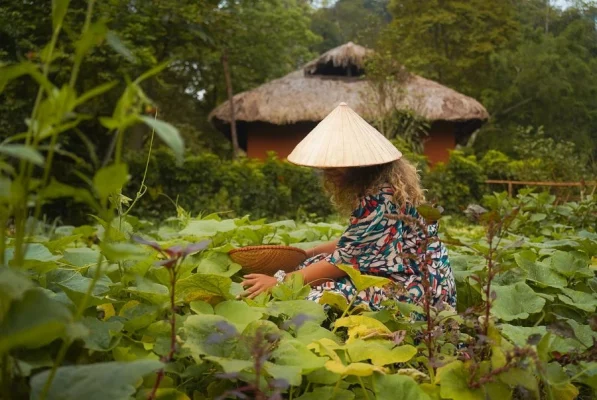
At Panhou Retreat, gardening and vegetable harvesting are more than agricultural activities, they are an essential part of the retreat’s healing philosophy. Maintaining organic gardens and preserved herbal forests within the property helps ensure self-sufficiency and guarantees that fresh, nutrient-rich ingredients reach every meal served to guests.
For visitors, observing or directly participating in the harvesting process helps restore a connection with nature and reconnect with the earth itself. Direct contact with soil, plants, and natural surroundings may help lower Cortisol levels — the hormone associated with stress — while balancing the body’s energy and supporting mental detoxification. It also encourages guests to better understand the origins of the nourishment they receive each day.
Why Is Natural Detoxification Important for Sustainable Well-Being?
In the modern technological era, entertainment and stimulation have never been easier to access. Yet at the same time, people are increasingly vulnerable to feelings of overload caused by rising living costs, polluted food systems, declining urban air quality, and constant mental pressure. For this reason, natural detoxification and wellness practices have become more popular than ever. People seek new landscapes, unfamiliar cultures, and meaningful experiences as a way to reconnect with themselves and open their hearts again.
Perhaps that is why many travelers visiting the Thông Nguyên valley in Hoàng Su Phì are drawn to sustainable wellness practices that restore both body and mind. Here, detoxification is not simply about removing physical toxins — it is also about rebuilding inner balance and emotional clarity.
By understanding the needs of modern travelers, Panhou Retreat embraces a nourishing culinary philosophy based on simple, natural, nutrient-dense foods that help the body regulate itself and reduce dependence on fast dopamine stimulation. When the digestive system is given time to rest and receives only wholesome nutrients, the body naturally shifts into a state of recovery and regeneration. This process may improve sleep quality, support healthier skin, and restore emotional balance from within.
The Art of Mindful Eating at Panhou Retreat
Detoxification is not only about what we eat, but also about how we eat. In the peaceful atmosphere of the Thông Nguyên forest, guests enjoy nourishing meals surrounded by birdsong, warm sunlight, and the quiet beauty of nature. Within this rustic and open setting, each spoonful of soft, fragrant rice paired with fresh mountain vegetables becomes richer, more flavorful, and more deeply satisfying.
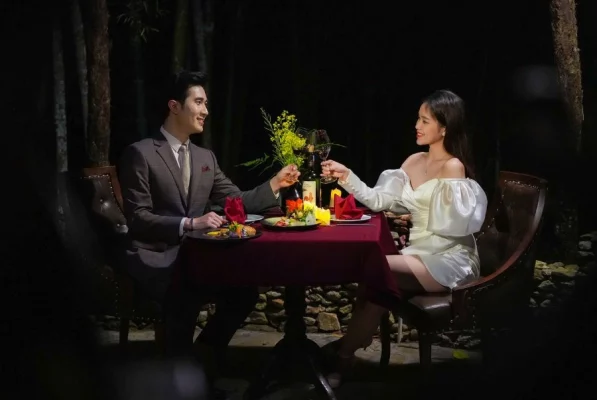
While sitting quietly inside Khú Cao Restaurant, guests may occasionally notice the gentle scent of pandan leaves drifting softly through the air, a subtle fragrance unique to Panhou Retreat that lingers in the memories of many visitors. The aroma of forest plants feels almost meditative, lightening the spirit like the scent of fresh young leaves. In such peaceful moments, eating too quickly or carelessly somehow feels out of harmony with the surrounding nature.

3D2N NATIONAL DAY OFFER | JOURNEY INTO GREEN SEASON
From 125 USD/Guest/Combo
3D2N GOLDEN SEASON IN HOANG SU PHI
From 114 USD/Guest/Combo