Hot Spring Wellness Retreat: A Complete Guide to Relaxation, Healing & Reconnection
| ExperiencesA hot spring wellness retreat is a comprehensive health-focused journey that uses natural mineral-rich hot water hydrotherapy to restore the body, reduce nervous stress, and recharge energy. Below is a detailed guide to the benefits of hot springs for different groups, an analysis of mineral components in the water, and expert safety advice for travelers seeking a rejuvenating wellness retreat experience in Vietnam.
1. What is a hot spring wellness retreat?
A hot spring resort offers a relaxing form of travel where guests immerse themselves in mineral-rich hot water to improve health, reduce physical ailments, and restore balance. It can be combined with activities such as meditation, yoga, and healthy nutrition to achieve harmony between body and mind. Unlike simply bathing in hot springs at entertainment complexes, a true hot spring wellness retreat requires a tranquil environment, expert guidance, and a personalized program that allows the body time to absorb minerals and detox naturally.
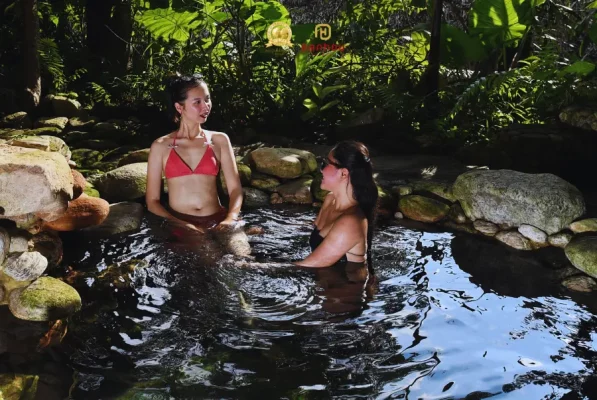
At Panhou Retreat, this concept is elevated through the combination of pure hot mineral water sourced deep from the Hoang Su Phi mountains and traditional herbal bathing remedies of the Red Dao ethnic group. This is not just a leisure activity, but a natural therapeutic method that helps regulate biological rhythms and restore the immune system weakened by urban stress.
2. Water source and mineral composition
For a hot spring wellness retreat to deliver true healing benefits, the key factor lies in the origin and physicochemical composition of the water. In Northern Vietnam, especially in Hoang Su Phi, mineral water is often extracted from deep underground streams within mountainous rock layers, making it richer in minerals and sometimes stronger in natural scent compared to other regions.
Origin of hot mineral water
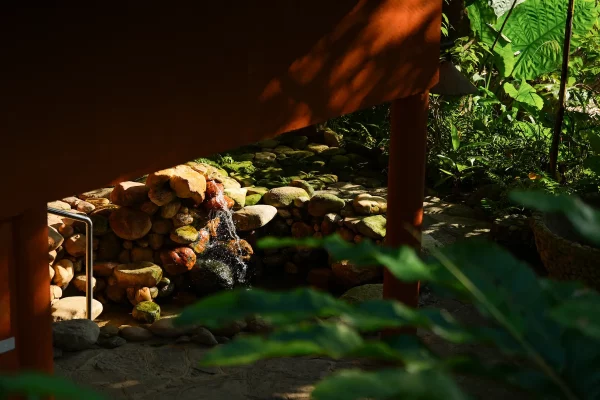
Hot mineral water forms when rainwater seeps deep underground, passes through mineral-rich rock layers, and is heated by geothermal energy. During this process, the water dissolves minerals from the surrounding earth and rocks, reaching temperatures between 37 and 48°C before surfacing or being extracted. Panhou Retreat, located in Hoang Su Phi (Ha Giang), sits within a preserved natural heritage area, ensuring that the water source remains pure and unaffected by industrial or agricultural pollution.
Key minerals in hot spring water
Below are some of the most common minerals found in premium hot spring resorts and their benefits for the body:
-
Sulfur: Deep underground mineral water is often rich in sulfur, which supports skin conditions (such as dermatitis and psoriasis) and helps reduce joint inflammation. Sulfur also plays an important role in collagen production. Some mineral sources contain hydrogen sulfide (H₂S), which has a distinct smell similar to rotten eggs. However, this scent is not a sign of impurity, but rather an indication of naturally mineral-rich water.
-
Silica: As groundwater passes through silica-rich rock layers, it dissolves silica, creating silica-rich mineral water. This is a key component for softening and smoothing the skin, strengthening hair and nails, and supporting collagen synthesis for a healthy glow.
-
Magnesium: Magnesium in hot spring water helps relax the nervous system, reduce insomnia, and regulate heart rhythm, especially beneficial for individuals with high blood pressure or chronic stress. It is particularly helpful for those engaged in mentally demanding work.
-
Additionally, minerals such as Calcium & Sodium strengthen bones, balance osmotic pressure in the body, and support better blood circulation.
3. Multi-layered benefits of a hot spring wellness retreat
Physical rejuvenation through the skin
Immersing yourself in warm mineral water allows natural water pressure to stimulate blood circulation and create a deep sense of relaxation. The ideal temperature (around 39–48°C) helps dilate blood vessels, ease muscle tension, and support recovery after daily activities.
The tranquil, nature-based environment of eco-resorts allows the mind to gradually relax, reduce stress, and improve overall mental well-being. The combination of a peaceful setting and mineral bathing therapy restores balance, helping both body and mind recharge naturally.
Mental healing
The sounds of nature combined with the stillness of eco-retreats help the brain shift from Beta waves (stressful working state) to Alpha waves (deep relaxation). This is when the body produces endorphins, the natural “happiness hormones,” which help soothe emotional stress and long-term anxiety.
4. Ideal duration for hot spring bathing
Hot spring bathing is a powerful therapy, so proper timing is essential to avoid dizziness or thermal shock.
• The “golden time” for a hot spring bath is in the late afternoon or early evening (around 5:00 PM to 7:00 PM). At this time, warm water helps dilate blood vessels and gently raise body temperature, relaxing muscles and creating a sense of lightness after a long day. Bathing 1–2 hours before sleep can improve sleep quality and help you fall asleep more easily. Evening bathing also helps cleanse sweat and dead skin cells, allowing nutrients to penetrate deeper into the skin.
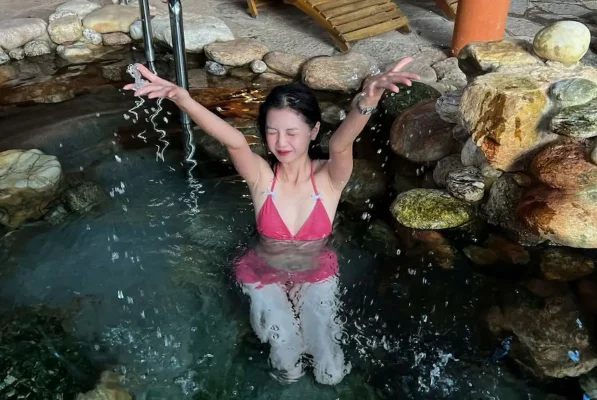
• The ideal soaking duration is 15–20 minutes per session. Hot water dilates blood vessels, increasing blood flow to the skin. For people with low blood pressure, prolonged soaking may cause dizziness or nausea. If you wish to soak longer, step out, rest for about 10 minutes, and hydrate with water or herbal tea. Prolonged soaking can lead to dehydration and increased heart rate.
• Beginners should gradually adapt by immersing their feet first, then up to the waist, and finally the whole body (up to chest level). Sudden full immersion may cause thermal shock, especially for those with sensitive skin, which may become dry or irritated.
Note: Morning bathing, especially in cold weather, may cause sudden temperature changes when stepping out. Evening is generally more stable and safer for the body to adapt.
5. Safe hot spring bathing guidelines for different groups
Young adults (23–39), who typically have fewer underlying health conditions but experience high work-related stress, are well suited for a hot spring wellness retreat focused on stress relief and improved sleep quality. This group can tolerate slightly higher temperatures (around 39°C–48°C) for enhanced relaxation and recovery. However, men of reproductive age should avoid prolonged exposure to very hot water. They can also combine hot spring therapy with outdoor activities such as trekking to improve overall physical balance.
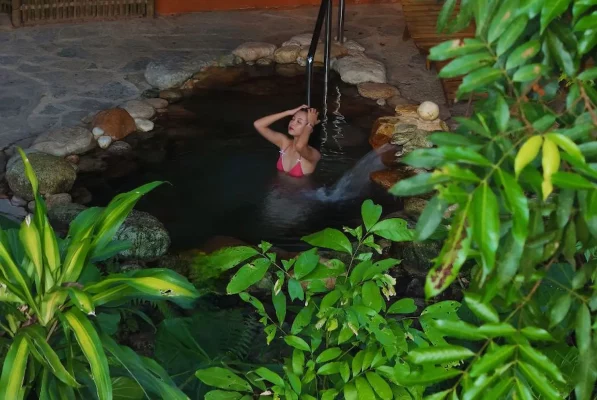
For middle-aged and older adults (40+), especially those with underlying conditions such as hypertension or cardiovascular issues, a hot spring wellness retreat can help relieve joint pain and improve circulation. However, caution is essential. Sudden vasodilation from hot water may cause dizziness or increased cardiac strain. It is recommended to soak at moderate temperatures (38°C–42°C), avoid immersing above chest level, and have assistance if needed. Guests should avoid bathing immediately after alcohol consumption or when overly hungry or full. After bathing, dry off and rest in a wind-protected area for at least 30 minutes before going outside.
6. What makes hot spring bathing at Panhou Retreat unique
At Panhou Retreat, we go beyond providing pure hot mineral water by integrating holistic therapies inspired by Red Dao herbal traditions. Guests can enjoy herbal baths and acupressure massage treatments.

In thick pomu wood bathtubs, guests soak in reddish-brown herbal water with a gentle natural fragrance. The herbal bath is prepared over more than an hour, combining over 10 rare medicinal plants such as bạch bột, ngũ gia bì, “cỏ máu,” and local ginger, sourced from the retreat’s surrounding forest. This enhances the health benefits significantly. Traditional acupressure massage by local practitioners is also a popular therapy after long trekking days. This unique combination of geology and traditional medicine creates a truly therapeutic hot spring wellness retreat, helping guests restore balance and well-being naturally.
7. Preparing for a hot spring wellness retreat
Before choosing where to experience a hot spring wellness retreat, the most important preparation is mental readiness. Arrive with the intention to disconnect from work and digital devices, allowing your body and mind to fully relax and recharge in nature.
In terms of clothing, bring comfortable swimwear suitable for soaking, along with natural-fabric outfits such as linen or cotton. These materials allow the skin to breathe and enhance comfort throughout your stay and outdoor activities.
For individuals with pre-existing or chronic health conditions, especially related to cardiovascular health or blood pressure, it is essential to consult a doctor before participating in hot spring therapy. This ensures safety and maximizes the effectiveness of your hot spring wellness retreat based on your personal condition.
FAQ
1. What is the nature-aligned diet in Hoàng Su Phì?
The nature-aligned diet in Hoàng Su Phì focuses on organic, fresh, and seasonal foods such as wild vegetables, purple upland rice, and ancient Shan Tuyết tea. This approach limits processed foods, allowing the body to absorb natural nutrients while supporting holistic wellness and recovery.
2. Why do local foods help detoxify the body effectively?
Local ingredients are rich in natural enzymes and antioxidants while containing fewer chemical preservatives, helping reduce pressure on the liver, kidneys, and digestive system. When the body receives clean nutrition, detoxification and energy recovery become more effective.
3. What are the health benefits of purple upland rice?
Purple upland rice contains high levels of Anthocyanins, fiber, and minerals that support antioxidant protection, cardiovascular health, and healthy digestion. As a slow-release carbohydrate, it promotes long-lasting fullness, supports stable blood pressure, and suits people seeking sustainable wellness or healthy dietary balance.
4. How does ancient Shan Tuyết tea help detoxify the body?
Ancient Shan Tuyết tea is rich in Polyphenols, Catechins, and EGCG, compounds that help neutralize free radicals, support liver detoxification, and boost metabolism. Drinking the tea regularly may also improve digestion, reduce heaviness after meals, and promote mental clarity.
5. Why is gardening at Panhou Retreat considered a healing activity?
Gardening and vegetable harvesting encourage natural movement, help reduce Cortisol levels, and create a stronger sense of relaxation. Spending time in direct contact with soil, plants, and nature also helps guests reconnect with themselves, improve emotional well-being, and support a deeper body-and-mind detoxification process.

3D2N NATIONAL DAY OFFER | JOURNEY INTO GREEN SEASON
From 125 USD/Guest/Combo
3D2N GOLDEN SEASON IN HOANG SU PHI
From 114 USD/Guest/Combo