Red Dao Herbal Bath: Benefits And Notes Before Experiencing It
| ExperiencesA Red Dao herbal bath is a traditional highland wellness practice made from forest leaves, roots, bark and medicinal plants. More than a relaxing soak after trekking, it helps travelers understand Red Dao herbal knowledge and where to experience it in places like Sapa, Hanoi and Panhou Retreat in Hoang Su Phi.
What is a Red Dao herbal bath?
A Red Dao herbal bath is a warm herbal soak rooted in the traditional knowledge of the Red Dao people. It uses medicinal plants gathered, dried or prepared from the forests and gardens of Northern Vietnam.
The bath water is usually made by boiling different leaves, roots, stems, bark and aromatic herbs. The result is a strong herbal liquid, often red-brown, golden-brown or dark depending on the recipe.
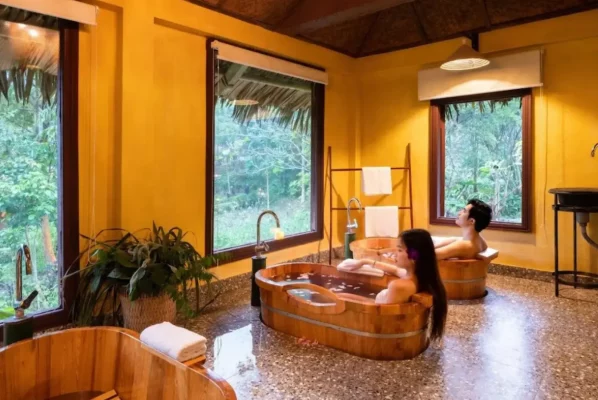
This practice should not be seen only as a spa treatment for travelers. It is also part of Red Dao family knowledge, passed through generations and connected with daily care, postpartum recovery and highland life.
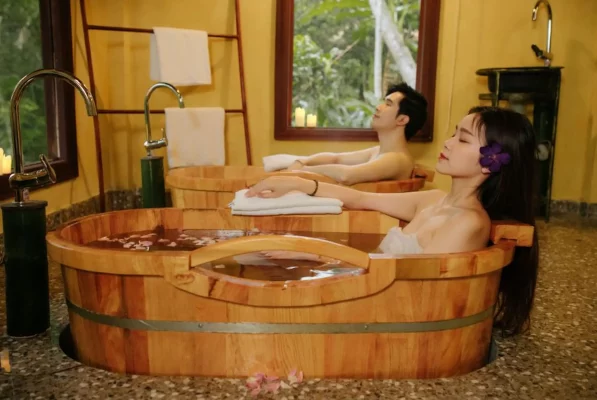
In many places, the herbal liquid is mixed with warm water before guests soak in a wooden tub. The experience combines heat, scent, steam and the feeling of being surrounded by medicinal plants.
The cultural origin of Red Dao herbal baths
The Red Dao people have lived for generations in the northern mountains of Vietnam. Their knowledge of plants is closely connected with forests, farming, childbirth, physical labor and family care.
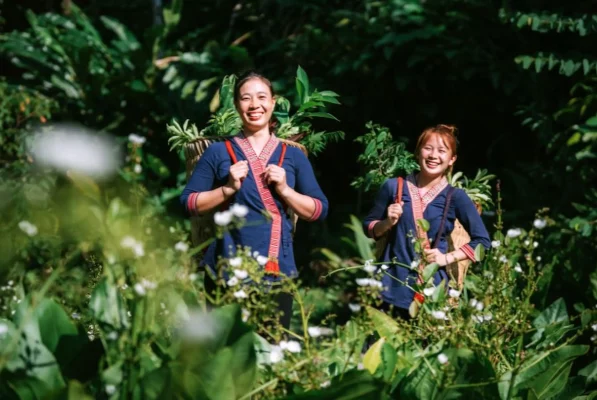
In Red Dao communities, herbal knowledge is often learned through observation, practice and family teaching. Older women may pass down ways to recognize plants, prepare herbal water and use different leaves for different needs.
For travelers, this makes Red Dao herbal baths more meaningful than an ordinary wellness trend. The bath is part of a living culture, where plants are used carefully within the rhythm of mountain life.
Sapa is one of the most famous places for Red Dao bathing traditions. However, Hoang Su Phi also offers a quieter and more natural setting for discovering Red Dao culture through wellness experiences.
What herbs are used in a Red Dao herbal bath?
Travelers often ask: What herbs are used in a Red Dao herbal bath? The answer can vary, because every family, village and herbal practitioner may keep a slightly different recipe.
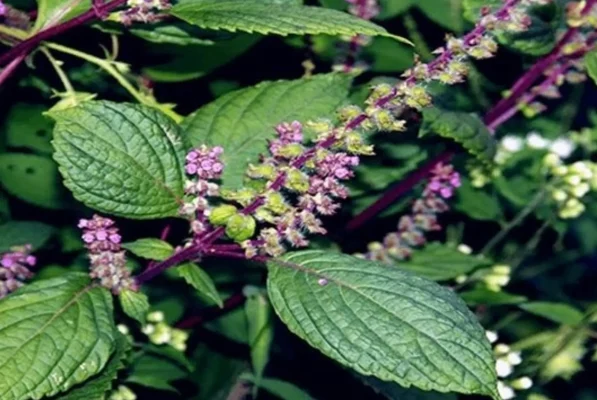
A Red Dao medicinal herbs bath may include forest leaves, aromatic roots, warming plants, bark, stems and local medicinal herbs. Some known ingredients may include angelica dahurica (bạch chỉ), homalomena rhizome (thiên niên kiện), native ginger (gừng ta), blood vine (cỏ máu), clove basil (hương nhu), five-leaf aralia (ngũ gia bì), pluchea indica (cúc tần) and ti plant (huyết dụ).
Common plant parts used in the bath
The most common Red Dao herbal bath ingredients include leaves, roots, bark, stems and aromatic herbs. These plant parts are selected for their fragrance, warming quality and traditional uses in local care.
Leaves may create a fresh and herbal scent, while roots and bark can give the water a stronger color. Some plants are used because they produce warming sensations, especially in cool mountain weather.
The final water often has an earthy aroma, mixed with spicy, woody and slightly sweet herbal notes. For many travelers, this scent is one of the most memorable parts of the bath.
Why the recipe can vary
There is no single fixed formula for every Red Dao herbal bath. Recipes may vary by family, season, forest area, plant availability and the knowledge of each herbal practitioner.
Some people mention large numbers of herbs, but those figures should not always be treated as fixed. In real life, the number and type of plants depend on local tradition and the purpose of the bath.
This variation is part of what makes the experience culturally rich. A bath in Sapa may not be exactly the same as one in Hoang Su Phi or another Red Dao area.
How the herbs are prepared
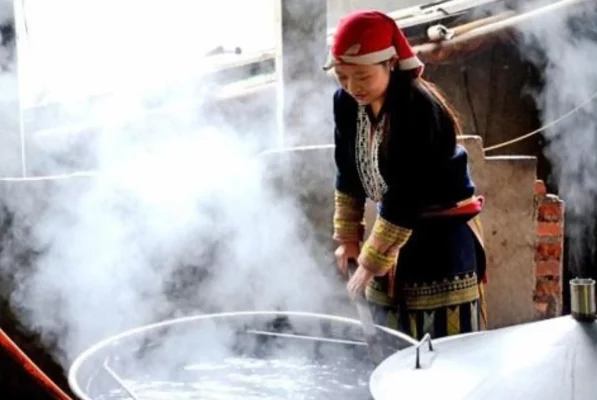
The herbs are usually washed, chopped, bundled or prepared before being boiled in a large pot. Boiling helps release color, aroma and herbal compounds into the water.
The concentrated herbal liquid is then mixed with warm water before guests enter the tub. The temperature should feel comfortable, not painfully hot, because overheating can lead to dizziness.
A well-prepared bath should feel warm, aromatic and relaxing. It should not feel overwhelming, burning or uncomfortable for the person taking it.
Red Dao herbal bath benefits: Why do travelers try it?
Many people search for Yao herbal bath benefits because they want to understand why this tradition is so popular. In travel and wellness contexts, the benefits are usually described through relaxation, warmth, muscle comfort and cultural experience.
It is important to avoid treating the bath as a medical cure. A Red Dao herbal bath may support comfort and relaxation, but it should not replace medical advice or treatment.
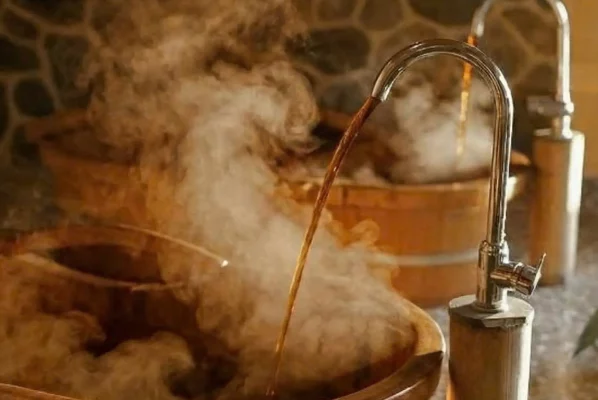
Relaxing the body after trekking
After a long day of trekking, warm herbal water can help the body feel calmer and more comfortable. The steam, scent and heat create a gentle transition from outdoor activity to rest.
This is one reason travelers enjoy Red Dao bathing after walking through terraces, forests and mountain villages. In places like Hoang Su Phi and Sapa, the bath often feels especially rewarding after a day on foot.
The experience can also support a slower travel rhythm. Instead of rushing through the destination, guests pause and reconnect with the body.
Supporting muscle and joint comfort
Warm water may help relax the body after physical activity. Herbal aromas can also create a soothing feeling, especially when guests feel tired after trekking.
Many travelers describe feeling lighter, warmer and more rested after the bath. These feelings may come from heat, steam, stillness and the sensory effect of medicinal plants.
However, it is better to avoid claiming that the bath cures joint pain or muscle injuries. People with serious pain or health concerns should speak with a medical professional.
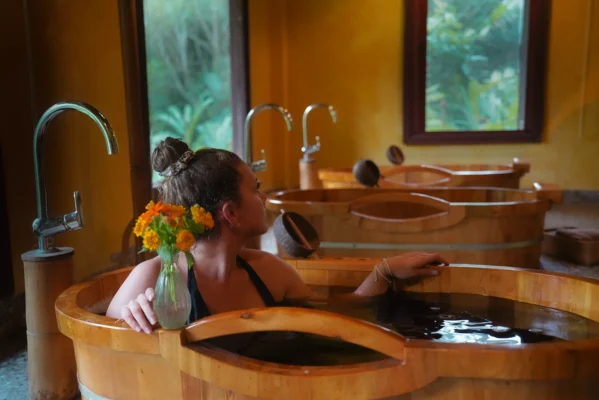
Warming the body in cold mountain weather
Mountain weather can feel cool in the early morning, late afternoon and winter months. A warm herbal bath helps the body feel more comfortable after exposure to cold air.
This is especially enjoyable after rain, mist or trekking in cooler highland conditions. The warm water and herbal steam can make the body feel grounded and relaxed.
For travelers, this warming effect is one of the simplest and clearest Yao herbal bath benefits. It is easy to understand after one cold evening in the mountains.
A cultural wellness experience
The benefit of the bath is not only physical. It also helps travelers understand how the Red Dao people use plants, heat and water in daily care.
This makes the bath a cultural wellness experience, not just a service inside a spa room. Guests can learn about herbal traditions while enjoying a quiet and restorative moment.
A traditional herbal bath highland Vietnam experience feels more meaningful when connected with the landscape. The mountains, villages and local knowledge all become part of the bath.
Red Dao herbal bath side effects and precautions
Many travelers also search for Red Dao herbal bath side effects before booking. This is a good question, because herbal baths involve heat, steam and strong plant ingredients.
The most common Red Dao herbal bath side effects are usually linked to hot water, long soaking time or personal sensitivity. Most problems can be reduced by choosing a safe temperature and soaking for a reasonable time.
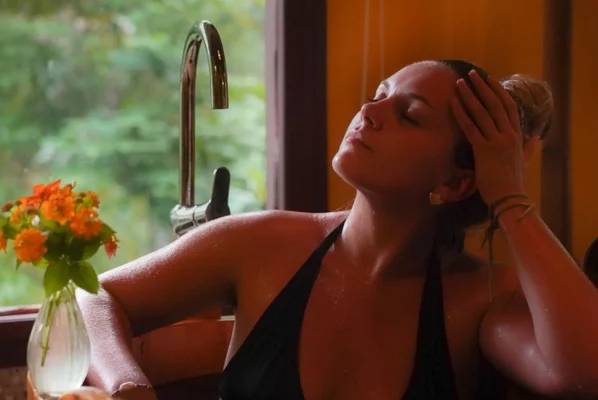
Possible side effects
Some people may feel dizzy if the water is too hot or the soak is too long. Others may feel tired, lightheaded or overheated if their body is already weak.
People with sensitive skin may experience irritation from certain herbs. Some guests may also feel dry skin, warmth in the body or mild discomfort after bathing too frequently.
Standing up too quickly after a hot bath can also cause a brief feeling of dizziness. Guests should leave the tub slowly and rest for a few minutes afterward.
Who should be careful?
People with heart disease, high blood pressure or unstable blood pressure should be careful with hot herbal baths. Heat can affect circulation, especially when the body is already under stress.
Pregnant women should also be cautious and ask a medical professional before trying hot herbal baths. People with open wounds, severe skin infections or known herbal allergies should avoid the bath unless medically advised.
Guests who have consumed a lot of alcohol should not take a hot herbal bath. The same advice applies to anyone who is extremely tired, dehydrated or feeling unwell.
How long should you soak?
A reasonable soaking time is usually around 15 to 25 minutes. First-time travelers may want to start with a shorter bath and observe how their body feels.
Staying longer than 30 minutes is not recommended for most travelers. Long exposure to heat and herbal steam may cause tiredness, dizziness or discomfort.
After the bath, guests should drink water, dry the body and rest before going outside. They should also avoid cold wind immediately after bathing.
What happens during a Red Dao herbal bath?
Understanding the bathing process helps travelers feel more comfortable before booking. A Red Dao herbal bath is usually simple, warm and quiet, but the preparation requires time.
Step 1: Preparing the herbal water
The herbs are boiled in a large pot until the water becomes dark, fragrant and concentrated. This process helps extract the color, scent and traditional herbal qualities from the plants.
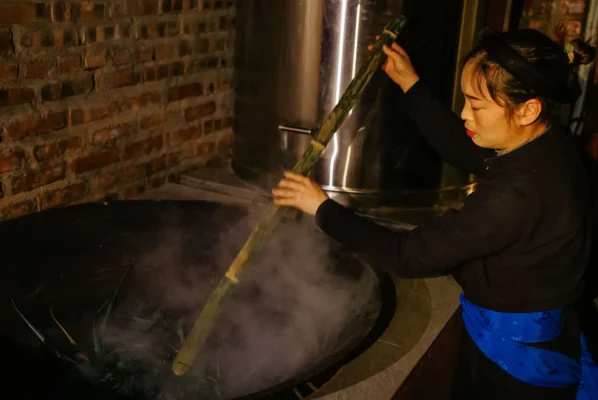
Depending on the place, preparation may take a long time before the bath is ready. The herbal liquid is usually strong, so it is not used directly without dilution.
Step 2: Mixing with warm water
The concentrated herbal water is mixed with warm water before the guest enters the tub. Staff or hosts should adjust the temperature so it feels comfortable for the body.
The water should be warm enough to relax the muscles, but not so hot that it causes discomfort. Guests should always ask for adjustment if the water feels too hot.
Step 3: Soaking in a wooden tub
The bath often takes place in a wooden tub or a private bathing space. The wooden setting can make the experience feel warmer, quieter and more connected with mountain traditions.
During the soak, the body absorbs heat while the nose follows the aroma of herbs. This combination of warmth and scent creates the signature feeling of the bath.
Step 4: Resting after the bath
After bathing, guests should dry themselves, dress warmly and rest for several minutes. Going outside into cold wind immediately after the bath is not ideal.
Warm water, herbal tea or a quiet resting space can make the experience more complete. This final rest helps the body settle after the heat.
Red Dao herbal bath reviews: Is it worth trying?
Many Red Dao herbal bath reviews mention the distinctive herbal scent, warm feeling and relaxing atmosphere. Travelers often enjoy the experience because it feels different from a normal hotel bath.
For wellness travelers, the bath is usually worth trying if they enjoy herbs, heat and cultural experiences. It is especially suitable after trekking or spending time outdoors in cool mountain weather.
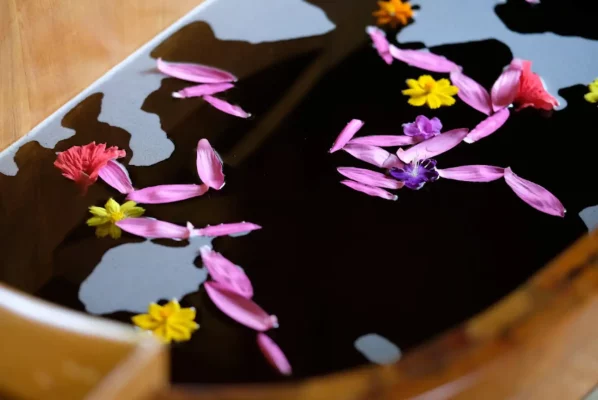
People who are sensitive to strong smells or heat should ask questions before booking. The best experiences usually include clean facilities, clear guidance, comfortable temperature and enough privacy.
Red Dao herbal bath at Panhou Retreat
Panhou Retreat offers travelers a slower way to experience Red Dao culture in Hoang Su Phi. The retreat sits among mountains, rice terraces, village paths and local highland life.
Here, the Red Dao herbal bath is not presented as a generic spa trend. It is part of a wider journey into nature, herbal knowledge and the rhythm of the mountains.
A wellness experience rooted in Red Dao culture
At Panhou Retreat, the bath connects wellness with the cultural landscape of Hoang Su Phi. Guests can slow down and approach Red Dao traditions with more care and attention.
The experience feels different from a quick spa treatment in a busy city. It is surrounded by mountain air, quiet paths and the cultural presence of local communities.
>> Check out our 3D2N HERBAL HEALING RETREAT
After trekking, before deep rest
The bath is especially suitable after a day walking through terraces, forests or village trails. Warm water and herbal fragrance help the body shift from movement into rest.
For many guests, this becomes one of the most memorable parts of a highland retreat. It marks the moment when the body stops rushing and begins to recover.
Combine with slow travel experiences
Travelers can combine the bath with trekking, local meals and time in nature. They can also learn more about Red Dao culture through guided experiences and village encounters.
This makes the bath part of a complete slow travel journey. It connects the body, the landscape and local knowledge in a gentle and meaningful way.
At Panhou Retreat, travelers can experience a Red Dao herbal bath as part of a slower journey through Hoang Su Phi’s mountains, villages and herbal traditions.
FAQ
1. What herbs are used in a Red Dao herbal bath?
A Red Dao herbal bath may use forest leaves, roots, bark, stems and aromatic medicinal plants. The exact ingredients vary by family, season and region.
2. What are the benefits of a Red Dao herbal bath?
Common Yao herbal bath benefits include relaxation, body warming, muscle comfort and a deeper cultural wellness experience after trekking or travel.
3. Are there any Red Dao herbal bath side effects?
Possible Red Dao herbal bath side effects include dizziness, tiredness or skin irritation, especially if the water is too hot or soaking time is too long.
4. How long should I soak in a Red Dao herbal bath?
Most first-time travelers should soak for about 15 to 25 minutes. Staying longer than 30 minutes is usually not recommended.
5. Can pregnant women take a Red Dao herbal bath?
Pregnant women should be cautious and ask a medical professional before taking hot herbal baths, especially during sensitive stages of pregnancy.
6. Where can I try a Red Dao herbal bath in Vietnam?
Travelers can try Red Dao herbal baths in Sapa, Hoang Su Phi, some Hanoi spas and highland retreats such as Panhou Retreat.
7. Is a Dao herbal bath massage worth it?
A Dao herbal bath massage can be worth trying after trekking, because the warm bath relaxes the body before a gentle massage.

3D2N HERBAL HEALING RETREAT
From 160 USD/Guest/Combo