Red Dao People In Vietnam: Culture, Customs And Life In Ha Giang
| ExperiencesAmidst the majestic mountain ranges of Northern Vietnam, the Red Dao people still preserve their traditional customs, rituals, and cultural identity through generations. Especially in Ha Giang, travelers can vividly explore the daily life and distinct identity of one of the most unique ethnic minority communities in Vietnam.
Who are the Red Dao people of Vietnam?
Origins of the Red Dao ethnic minority
The Dao people are one of the 54 ethnic groups in Vietnam, also historically known by names such as Man, Dong, or Trai. Following their migration from Southern China between the 12th and 14th centuries, they gradually settled in the Northern mountainous regions and developed into various local subgroups such as the Red Dao, Dao Tien, Dao Quan Chet, and Dao Thanh Phan. Among them, the Red Dao stand out with their distinctive cultural identity and traditions that have been carefully preserved through generations.
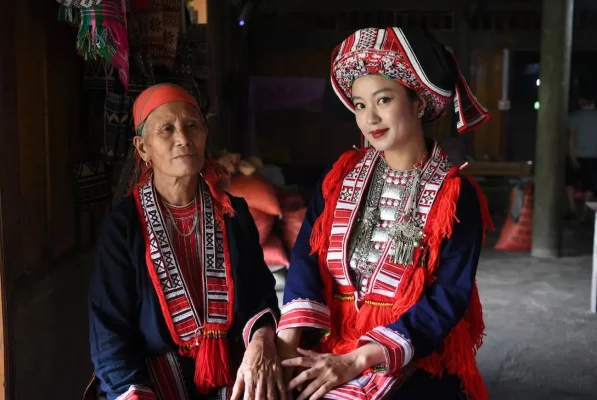
The name “Red Dao” originates directly from the dominant color of their traditional attire. For the Red Dao, red is not merely an aesthetic choice; it symbolizes fire, the sun, bountiful harvests, and good fortune. From the intricate headscarves to the vibrant wool pom-poms on their chests, the crimson hue helps them stand out amidst the vast forests and clearly distinguishes them from other Dao groups like the Dao Tien, Dao Quan Chet, or Dao Ao Dai.
Population and language spoken
Currently, the red dao ethnic minority vietnam community numbers over 1 million people. The Red Dao typically choose to live in high mountainous areas characterized by cool climates and steep terrains.
In terms of language, they speak a language belonging to the Hmong-Mien language family. In addition to their spoken language used in daily communication, the Red Dao also preserve Nom Dao script (based on ancient Chinese characters) to record family genealogies, ritual books, and traditional folk songs, which only elders or shamans can read and write proficiently.
Where do the Red Dao people live in Vietnam?
Along the high Northern borderlands, the residential areas of the Red Dao are concentrated mainly in three major travel destinations:
Ha Giang
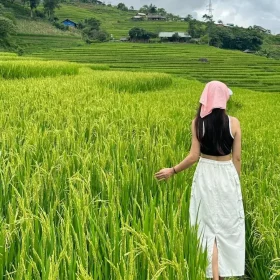
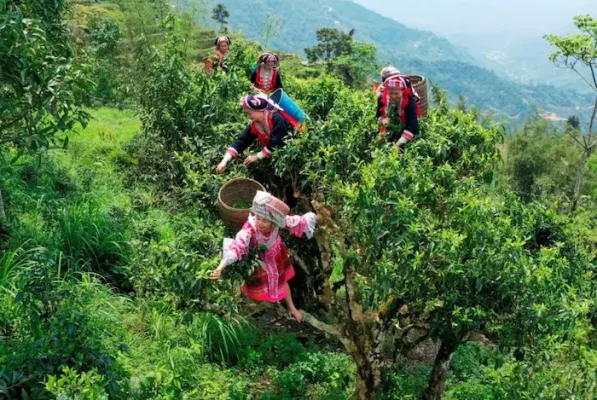
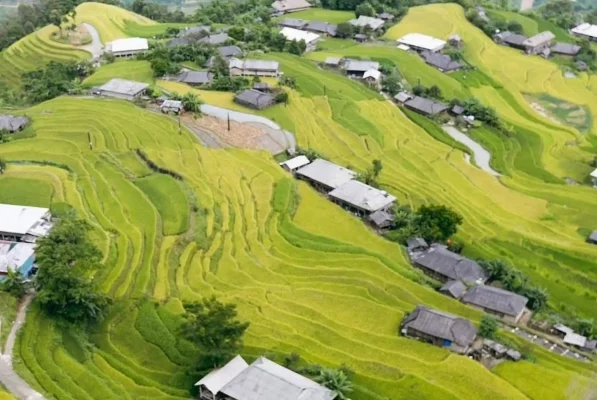
For those seeking a rustic cultural experience and an easy immersion into the authentic local lifestyle, discovering the red dao culture ha giang is an ideal choice. The Red Dao live in high concentrations in Hoang Su Phi district (in communes such as Thong Nguyen, Ho Thau, Ban Phung, etc.). Their villages are usually nestled halfway up the mountains, surrounded by century-old Shan Tuyet tea forests and cascading terraced rice fields.
Sapa and Lao Cai
Sapa boasts the largest concentration of Red Dao people, most famously in Ta Phin village, where visitors can experience herbal baths, traditional embroidery, and local community-based tourism which developed very early. This is the perfect location if you want to combine a Fansipan peak adventure with comfortable, modern resort amenities.
Yen Bai and other Northern provinces
Additionally, the Red Dao ethnic group also heavily populates the high mountain slopes of Yen Bai province (particularly the Mu Cang Chai area), Cao Bang, and Lang Son, establishing prosperous agricultural villages.
Red Dao Culture in Ha Giang
Traditional housing and village life
In Ha Giang, depending on the terrain, the Red Dao may live in earthen-floor houses or wooden stilt houses. A traditional house always features a three-room structure, with the middle room reserved for the sacred ancestral altar.
The house usually has two hearths: a secondary one for daily cooking and a main hearth in the central room for warming the house, receiving guests, and boiling water for rituals. A hallmark of Red Dao culture is its strong communal bond; families within the same lineage often live close to one another to offer mutual support during hardships or harvest seasons.
Farming activities and livelihoods
The Red Dao generally practice farming on mountain slopes. Their primary livelihoods revolve around wet rice cultivation on terraced fields and growing corn on rocky mountain patches. Especially in Ha Giang, they tend to and harvest ancient Shan Tuyet tea trees—a precious tea variety that grows naturally on high peaks covered in mist year-round.
Furthermore, they are renowned for their meticulous fabric weaving and hand-embroidery skills on traditional clothing. Handcrafted products such as brocade fabrics and silver jewelry also reflect the exceptional craftsmanship and unique aesthetic sense of the Red Dao people.

Community values and family structure
Red Dao families follow a patriarchal system, where the man (father or husband) acts as the head of the household and holds the decisive voice. This is clearly reflected in the Cap Sac ritual—the maturity rite for men; once completed, they gain the authority to make major decisions within the family.
Nevertheless, the role of women remains indispensable, as they are the keepers of the domestic hearth, responsible for weaving fabric, and managing the household’s daily life.
Preserving traditions in the modern era
Even though modern technology and conveniences like motorbikes and smartphones have made their way into every household, the Red Dao in Ha Giang still maintain an impressive balance. On market days or during Tet holidays, the younger generation proudly puts on their traditional attire, and ancient codes of conduct are still strictly respected.
Unique Customs and Traditions
Traditional wedding rituals
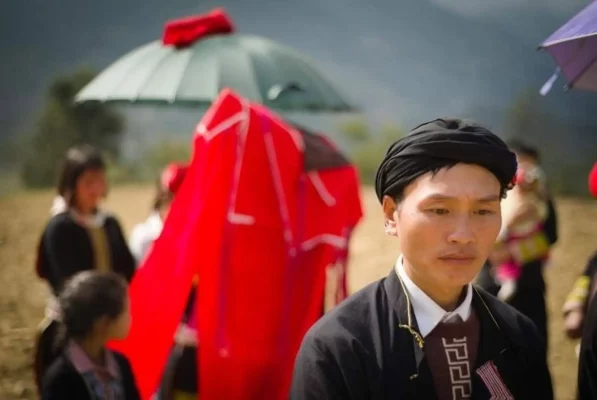
Before a marriage takes place, the two families check the ages of the bride and groom to ensure compatibility. Afterward, a shaman may perform a chicken-foot reading ritual (examining the bones or tendons of a chicken after a ritual offering) to predict the smooth future of the marriage and ask for blessings from the ancestors.
During the bridal procession, the bride is carried on the back of a relative out of her house and must step over a pair of scissors enchanted by the shaman. This dao do people customs ritual is believed to protect the bride and ward off bad luck before she formally enters the groom’s house.
Ancestral worship and spiritual beliefs
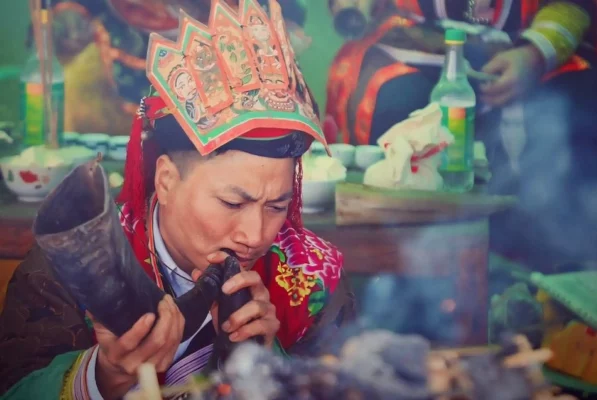
The spiritual beliefs of the Dao people are deeply influenced by Taoism and primitive animism. Among their deities, Ban Vuong (also known as Ban Ho) is considered the primordial ancestor of the Dao people. Therefore, the Ban Vuong worship ritual is the most crucial ceremony, and this ancestor is venerated alongside the family’s direct ancestors.
The Cap Sac Ritual (Initiation Ceremony)
The Red Dao observe an essential custom known as the Cap Sac ritual—a rite of passage marking maturity, through which a male is recognized by ancestors and deities as an official member of the community. Once witnessed and blessed by the spiritual world, the Dao man is granted a “ritual name,” formally certifying his status as a grown man and a pillar of the family both physically and spiritually.
Among the Black Dao, males often undergo the initiation ceremony at a very young age, around 11 to 19 years old. However, for the Red Dao, men can perform this ritual later in life, up to the age of 30.
The Fire Dancing Ritual
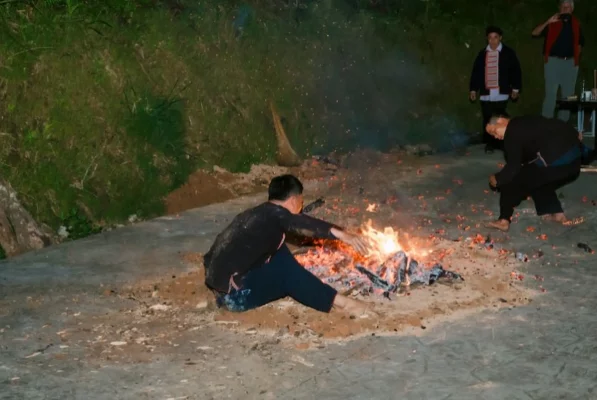
The fire dancing festival is a signature religious ritual, usually taking place after the harvest season, from around October to January of the lunar calendar. It aims to express gratitude to the gods, pray for health and abundant crops, and drive away evil spirits.
After the shaman completes the incantations to invite the deities and ancestors, the Red Dao youths are said to enter a trance-like state before jumping barefoot onto glowing embers. According to Dao beliefs, the fire holds purifying energy, helping to dispel bad luck and bring prosperity and peace to the village.
Traditional Costumes of the Red Dao
The pinnacle of manual hand-embroidery
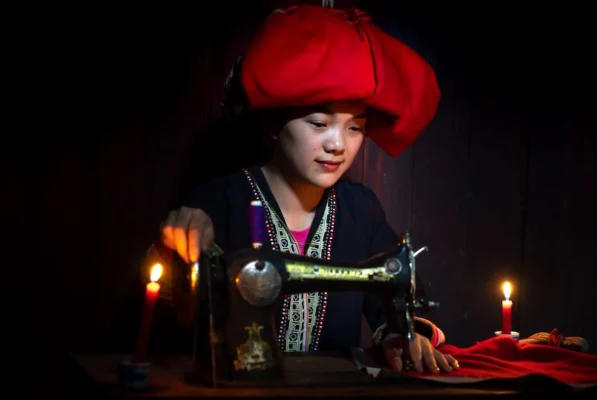
To complete a full traditional outfit, a Red Dao woman has to spend anywhere from several months to a whole year. Girls are taught how to embroider by their mothers from the age of 6 or 7. The unique aspect of the Red Dao embroidery technique is that they embroider from the reverse side of the fabric, relying entirely on meticulousness and memory without any sketched outlines on the cloth.
Women’s headscarves and silver jewelry
The most striking highlight of a Red Dao woman’s attire is the elaborate headscarf, adorned with bright red wool tassels and multicolored beads. This is accompanied by silver jewelry such as necklaces, bracelets, and hip chains, which enhance the beauty and reflect the skill of the highland women. In Red Dao belief, silver holds not only aesthetic value but also spiritual significance, helping to ward off evil spirits and summon peace.
The Red Dao Herbal Bath Tradition
Where does the Red Dao herbal bath originate from?
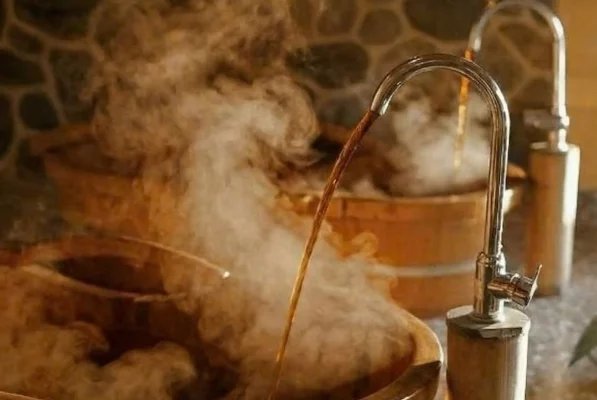
This is a secret wellness remedy of the Red Dao passed down through many generations. This therapeutic method originated as a bath remedy for postpartum women to recover their physical strength and eliminate lochia, or as a healing ritual to wash away illnesses for those who are sickly or suffering from body aches after working on the farm plantations.
Ingredients and preparation process
This bath remedy utilizes more than 10 different types of medicinal leaves, stems, and wild tree barks. Red Dao women must venture deep into the old-growth forests to harvest plants like broadleafly nightshade, Vietnamese elsholtzia, local ginger, and more. Once gathered, the leaves are roasted and dried (or used fresh), then placed into a large pot and boiled continuously over a wood fire for hours until the water turns a honey-like golden-brown color and releases a rich, herbal aroma.
Medicinal benefits
Originally, this bath remedy was used by the Red Dao on the final day of the lunar year to “cleanse” themselves to welcome the New Year, or reserved for mothers who had just given birth to quickly regain health and improve blood circulation. For tourists, after a long day of trekking or riding motorbikes through the mountain passes in Ha Giang, soaking in a hot tub of herbal medicine helps melt away fatigue, soothe joint pain, and remarkably smoothen the skin.
Where to experience an authentic Red Dao herbal bath
While spas in Sapa offer this service very widely, if you prefer a private travel destination that is less crowded than Sapa, Panhou Retreat (Hoang Su Phi, Ha Giang) might be the place for you. Experiencing the feeling of lying inside a rustic wooden house, looking out over a pristine, peaceful rice valley will complete your emotional journey.
How to fully experience the Red Dao culture in Ha Giang
Stay at a Red Dao homestay
Instead of staying in the town center, you can book a 2-day trekking package and experience a 1-night stay in Nam Hong village at Panhou Retreat (Hoang Su Phi). This location serves as an ideal spot for hunting seas of clouds in the early morning.
The hosts will invite you to a family meal featuring wild vegetables, black pork, corn wine, and share fascinating stories about the red dao people vietnam around the hearth.
Experience daily activities
You can engage in hands-on activities with the locals: learning how to harvest tea leaves, roasting tea over a wood stove, and processing it into a finished product. Alternatively, you can learn how to dye fabric with indigo, weave on a traditional loom, or simply try on the traditional attire of the indigenous people.
Explore the terraced rice fields
The Hoang Su Phi terraced fields were recognized as a National Heritage Site in 2012. Famous locations to admire these terraced fields include Ban Phung, Nam Ty, Ban Luoc, Thong Nguyen, and more.
You can hire a local porter to guide you through steep, winding mountain paths to hidden spots with “million-view” terraced field photo angles that few people know about. On that journey, you will also have the chance to discover the industrious work ethic of the Red Dao people as they farm and harvest leaves.
The best seasons for traveling and local festivals
If possible, time your visit to Ha Giang during the Lunar New Year season (January – February) or the ripe rice harvest season (August – October). This is the time when many unique customs of the Red Dao take place, such as the Cap Sac ritual, fire dancing, and distinctive folk games.
Tips for responsible travel when visiting a Red Dao village:
- Respect local customs: Dress politely and modestly when attending special sacred rituals like Cap Sac or Fire Dancing.
- Always ask for permission before taking photos, which helps create goodwill and makes locals more willing to cooperate.
- Support community-based tourism: Travel with a local Red Dao porter or guide when trekking the terraced fields, as they are the ones who understand the routes and weather patterns. You will avoid wasting time getting lost or facing hazards during bad weather.
FAQ
1. Who are the Red Dao people of Vietnam?
The Red Dao in Vietnam is a local subgroup of the Dao ethnic minority, living mainly in the Northern mountainous provinces such as Ha Giang, Lao Cai, and Yen Bai. They are well-known for their unique cultural identity, sophisticated hand-embroidered attire, and numerous traditional customs preserved across generations.
2. What is remarkable about the Red Dao culture in Ha Giang?
The Red Dao culture in Ha Giang stands out with its Cap Sac ritual, fire dancing ceremony, traditional embroidery craftsmanship, worship of ancestor Ban Vuong, and the famous herbal leaf bath remedy.
3. What do the customs and traditions of the Red Dao include?
Typical customs include traditional wedding rituals, the Cap Sac initiation rite, ancestral worship, and festivals heavily steeped in spiritual colors.
4. Why should one explore the Red Dao ethnic group in Vietnam?
Because this is one of the communities that has successfully preserved many traditional cultural values, contributing to enriching the diverse cultural tapestry of Vietnam.
Ngọc Vân

3D2N NATIONAL DAY OFFER | JOURNEY INTO GREEN SEASON
From 125 USD/Guest/Combo
3D2N GOLDEN SEASON IN HOANG SU PHI
From 114 USD/Guest/Combo