The pure beauty of buckwheat blossoms in the ancient mountains of Hoang Su Phi
| ExperiencesHidden among the magnificent mountains of northern Vietnam, Tuyen Quang has become one of the country’s most captivating destinations, especially when the buckwheat flowers bloom. A weekend escape to breathe in fresh forest air, admire glowing fields of blossoms and experience traditional herbal wellness at an eco retreat Vietnam such as Panhou Retreat offers a refreshing contrast to life in crowded cities.
The pristine charm of Tuyen Quang’s buckwheat flower season
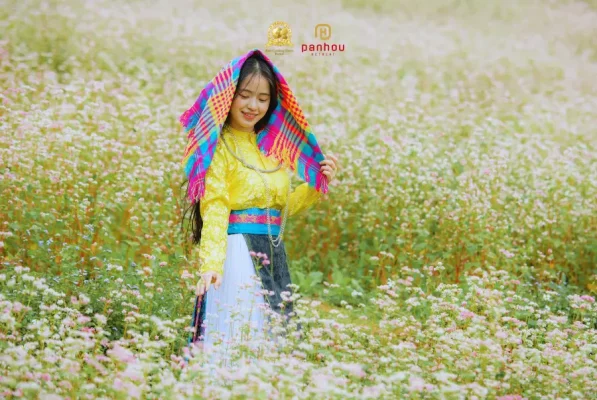
From October to December, Hoang Su Phi transforms into a soft watercolor landscape as valleys burst into bloom. The delicate flowers begin in pure white, shift gently to pastel pink and reach their most vibrant shade of pink purple at full bloom. Each cluster forms a cone shaped bouquet, creating a poetic and immersive scene that draws travelers and photographers from around the world.
Beyond their beauty, buckwheat flowers carry deep cultural significance for the ethnic minorities who call this region home. The plant has long served as a staple food. Young stems are enjoyed as vegetables, while mature seeds are ground into flour for cakes, porridge or local rice wine. At weekend markets in Tuyen Quang, stacks of purple buckwheat cakes become favorite gifts for visitors.
Today, the buckwheat blossom remains an iconic symbol of the province. The best places to admire the bloom include Ban Phung, Nam Hong and the valleys surrounding Thong Nguyen. Travelers walking through these areas often meet Red Dao women in traditional indigo clothing embroidered with vibrant motifs, creating unforgettable scenes among the endless flower fields.
A cultural celebration honoring the iconic flower
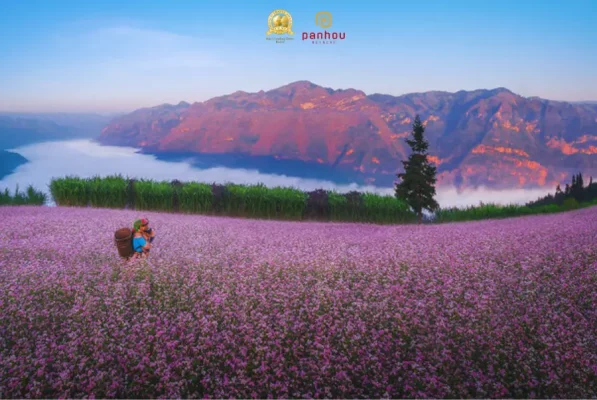
Tuyen Quang’s Buckwheat Flower Festival celebrates this seasonal beauty and the rich culture that surrounds it. Taking place during the blooming months, the festival welcomes visitors to experience traditional costumes, linen weaving, hand embroidery, folk music and rustic dishes made from buckwheat flour. The event draws tens of thousands of travelers each year, highlighting the region’s rising appeal as a destination for nature and culture lovers.
Why an eco retreat vietnam enhances your journey
Tuyen Quang remains largely untouched by heavy tourism development, making it an ideal location for an eco retreat Vietnam experience. Many retreats are built with natural materials like wood, stone and bamboo, creating a warm forest scent in every room. The architecture harmonizes with the landscape and avoids concrete structures, preserving the region’s pristine environment.
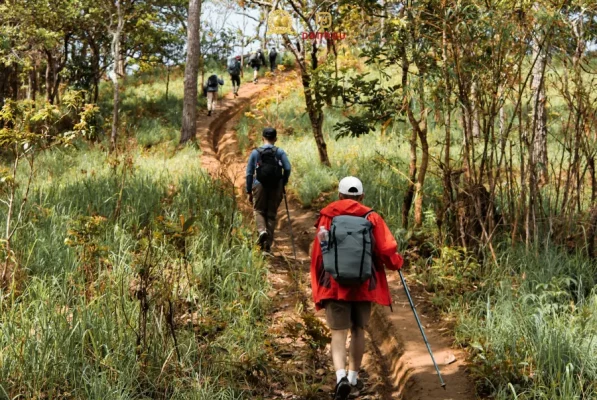
For travelers exploring the buckwheat flower season in Tuyen Quang, many eco retreats offer half day or full day trekking packages that lead you across the vibrant highlands covered in colorful blossoms. Along the journey, hikers can talk with local mountain communities, experience their daily way of life and gain a deeper understanding of the culture that shapes the region. After the trek, guests are treated to delicious local dishes made from ingredients grown entirely by the hands of the villagers, free from chemicals or growth stimulants, preserving the pure flavors of the mountains.
Guests can deepen their healing journey with herbal therapies such as Dao red leaf baths or essential oil massages. These treatments support energy recovery and create peaceful moments for meditation or yoga in the cool mountain climate. Such experiences reflect the essence of an eco retreat Vietnam, where nature, culture and wellness come together.
Among all options, Panhou Retreat stands out as one of the most authentic and serene eco retreat Vietnam destinations. With over twenty years dedicated to sustainable tourism, its thatched roof bungalows sit quietly in the lush valley of Thong Nguyen. Surrounded by untouched forests, terraced fields and ethnic villages, Panhou offers a slower rhythm of life where visitors can step away from city noise and truly reconnect with nature. The abundant oxygen from the forest purifies the air, clears the mind and leaves travelers with a long lasting sense of well being.
FAQ
1. When is the best time and where are the best places to see buckwheat flowers in Ha Giang?
The buckwheat flower season in Hoang Su Phi, Tuyen Quang, lasts from October to December. During this time, the valleys transform into a dreamy landscape as the blossoms change from pure white to soft pink and finally to vibrant pink-purple at full bloom. The most beautiful places to admire the flowers include Ban Phung, Nam Hong, and the valleys around Thong Nguyen, where endless fields of blossoms stretch across mountains and terraced hillsides.
2. What cultural significance do buckwheat flowers hold for local communities in Tuyen Quang?
Beyond their visual beauty, buckwheat flowers play an important role in the daily life and cultural identity of local ethnic minorities. The plant has long been a staple food: young stems are eaten as vegetables, while mature seeds are ground into flour for traditional cakes, porridge, and local rice wine. Today, buckwheat flowers remain a powerful symbol of the region and are celebrated through the Buckwheat Flower Festival, which showcases traditional costumes, folk music, handicrafts, and rustic cuisine.
3. Why does choosing an eco retreat in Vietnam enhance the buckwheat flower experience?
Staying at an eco retreat in Vietnam allows travelers to experience the buckwheat flower season in a deeper and more meaningful way. In Tuyen Quang, eco retreats blend seamlessly with the natural landscape and offer guided trekking through blooming highlands, cultural encounters with local communities, and farm-to-table cuisine made from organic village-grown ingredients. Many retreats also provide herbal therapies, meditation, and wellness activities, creating a harmonious journey where nature, culture, and well-being come together.
4. Is the buckwheat flower season suitable for photography and slow travel?
Yes. The soft colors, layered valleys, and gentle mountain light during buckwheat season make Hoang Su Phi ideal for photography and slow travel. The calm atmosphere encourages unhurried exploration and deeper connection with the landscape.
5. Can visitors combine cultural experiences with nature during buckwheat season?
Absolutely. Travelers can walk through flower-covered valleys, meet local Red Dao communities, visit weekend markets, and experience traditional crafts and cuisine, creating a journey that blends nature with living culture.
Ngọc Vân

3D2N NATIONAL DAY OFFER | JOURNEY INTO GREEN SEASON
From 125 USD/Guest/Combo
3D2N GOLDEN SEASON IN HOANG SU PHI
From 114 USD/Guest/Combo