What Makes Traveling to Vietnam in August Special?
| ExperiencesTraveling to Vietnam in August offers a diverse combination of beaches, mountains, culture, and relaxing retreats. Northern Vietnam is generally hot and humid, while its terraced rice fields gradually change from lush green to golden yellow. Central Vietnam remains warm and sunny, with clear water that is ideal for beach holidays. Meanwhile, Southern Vietnam is known for orchard tours and floating markets, although it remains in the rainy season, with tropical showers commonly occurring in the afternoon. Instead of simply asking whether August is a good time to visit, travelers should consider the conditions in each region. Choosing the right destinations and creating a flexible itinerary will make the journey more comfortable and safer.
Is August a good time to visit Vietnam?
August is still a suitable time to explore Vietnam when travelers choose destinations according to regional and seasonal conditions. Vietnam stretches across several climate zones, so the weather can vary significantly from one destination to another. Visitors can enjoy beautiful sunshine at many coastal destinations in Central Vietnam. Northern and Southern Vietnam, meanwhile, tend to be more humid and experience occasional seasonal showers.
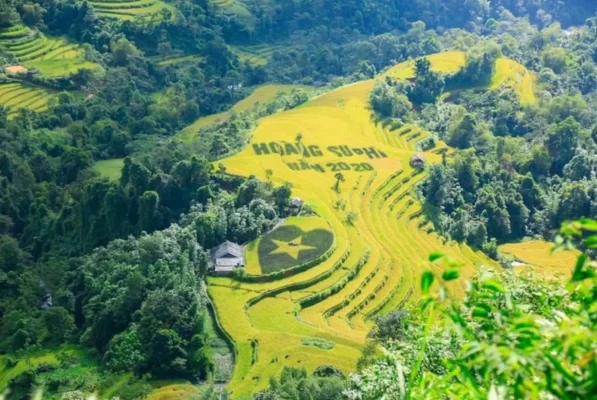
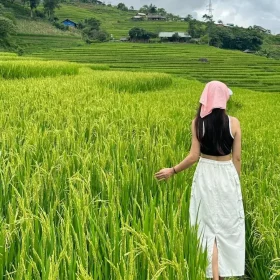
One of the most distinctive experiences when you travel to Vietnam in August is seeing the terraced rice fields during the green rice season. In the northern mountains, lush green rice terraces lie between forests, low clouds, and ethnic villages, creating a fresh and vibrant landscape. This is also a suitable time for nature lovers, landscape photographers, and travelers who want to enjoy a peaceful atmosphere before the rice turns golden.
There may be occasional showers during this period. Travelers with fixed trekking plans should therefore prepare an alternative itinerary in case of heavy rain. When visiting Vietnam in August, it is advisable to keep your travel schedule flexible.
Vietnam in August weather
To understand Vietnam in August weather, travelers should consider the conditions in Northern, Central, and Southern Vietnam separately. Temperatures, rainfall, and seasonal influences differ considerably between the three regions.
| Region | Typical temperature | Weather characteristics | Rainfall and possible risks | Recommended experiences |
|---|---|---|---|---|
| Northern Vietnam | Around 25–33°C; mountain areas can be cooler | Hot and sunny weather with occasional summer showers. The terraced rice fields are lush and beautifully green. | Short showers may occur, with an occasional risk of tropical storms or landslides in mountainous areas. | Cultural sightseeing, relaxing retreats, green rice terrace views, and village exploration. |
| Central Vietnam | Around 25–34°C | Bright sunshine, blue skies, and relatively little rain, making it ideal for beach holidays. | Rainfall may gradually increase toward the end of the month in some destinations. | Beach retreats, family entertainment, outdoor activities, and fresh seafood. |
| Southern Vietnam | Around 24–32°C | Hot and humid conditions during the rainy season. Mornings are generally drier. | Showers commonly occur in the afternoon or evening and may occasionally be accompanied by strong winds. | City exploration, local cuisine, museums, and indoor entertainment. |
Does it rain in Vietnam in August?
Vietnam receives some rain in August, but rainfall is generally not excessive and does not usually continue throughout the entire day. Conditions differ noticeably between regions. Northern and Southern Vietnam experience seasonal showers, while many destinations in Central Vietnam continue to enjoy long periods of sunshine.
In Northern Vietnam, Hanoi, Ha Long Bay, and the mountainous provinces may experience occasional showers or thunderstorms. These usually occur in short periods rather than continuously. The rain keeps the landscape fresh and makes the terraced rice fields particularly lush. However, travelers planning to trek or travel through mountain passes should continue checking local weather forecasts.
In Southern Vietnam, Ho Chi Minh City and nearby provinces often experience rain in the afternoon or evening. Showers may arrive suddenly, but they are generally short, so travelers can still arrange sightseeing and outdoor experiences in the morning.
Central Vietnam usually has more favorable conditions in August. Da Nang, Hoi An, Quy Nhon, and Nha Trang still have many sunny periods suitable for beach holidays and outdoor activities.
Will August rain affect the itinerary?
August rain generally does not have a major effect on travel itineraries in Vietnam. Showers usually occur at certain times of the day, particularly in the afternoon or evening, and rarely continue from morning to night. Travelers can therefore continue sightseeing, relaxing, and joining outdoor activities by arranging their schedule appropriately.
For a smoother journey, outdoor activities should be prioritized in the morning or during periods when little rain is forecast. Indoor experiences such as visiting museums, enjoying Vietnamese coffee, relaxing at a spa, or joining a cooking class can also be prepared as alternatives.
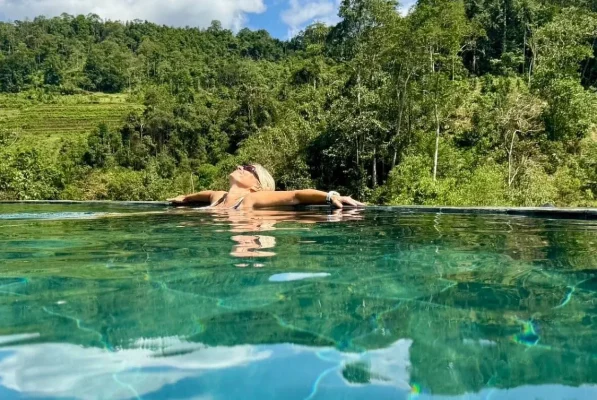
When booking tours, travelers should choose providers that offer flexible rescheduling policies and leave additional time between different stages of the journey. Those planning mountain treks should monitor weather warnings and suspend activities when heavy rain or landslide risks are reported.
Overall, by checking the forecast and maintaining a flexible itinerary, short August showers are unlikely to cause significant disruption to the trip.
Is August typhoon season in Vietnam?
August falls within the period when tropical storms or tropical depressions may occur in Vietnam. However, these weather systems do not appear continuously, and their effects are usually concentrated around coastal areas and parts of North Central Vietnam.
At many northern mountain destinations, including Hoang Su Phi, August conditions may remain stable, with less rain than in some other destinations. When a tropical storm or depression does occur, certain boat services, cruises, and coastal tours may be adjusted temporarily to ensure safety.
Travelers should follow the forecast before departure and check updates from local service providers. In general, with suitable preparation and a flexible schedule, August weather is unlikely to affect the entire journey significantly.
Areas where travelers should monitor the weather carefully
- Ha Long Bay and coastal areas in Northern Vietnam.
- Ha Giang, Hoang Su Phi, and other northern mountain provinces.
- North Central Vietnam and coastal provinces that may be affected by tropical depressions.
- Phu Quoc and southern island routes when the sea is rough.
Best places to go in Vietnam in August
The most suitable best places to go in Vietnam in August depend on the weather and the preferred style of travel. Visitors can choose from beaches, cities, mountain landscapes, or local cultural experiences.
Below are some of the best destinations in Vietnam for travelers planning a sightseeing holiday, relaxing retreat, or nature-focused journey in August.
Hanoi
Hanoi is suitable for travelers who want to explore history, architecture, cuisine, and urban life. August can be hot and humid, with occasional showers.
- August temperature: Around 25–32°C.
- Visit the Temple of Literature, the Imperial Citadel of Thang Long, and museums across the city.
- Walk through the Old Quarter and around Hoan Kiem Lake during dry periods.
- Discover egg coffee at Café Giang and seasonal specialties such as green rice sticky rice and bánh xu xuê.
- Visit indoor museums or historical attractions when it rains, such as Hoa Lo Prison and the Vietnam Military History Museum.
- Carry a compact umbrella, a lightweight raincoat, and breathable clothing throughout the journey.
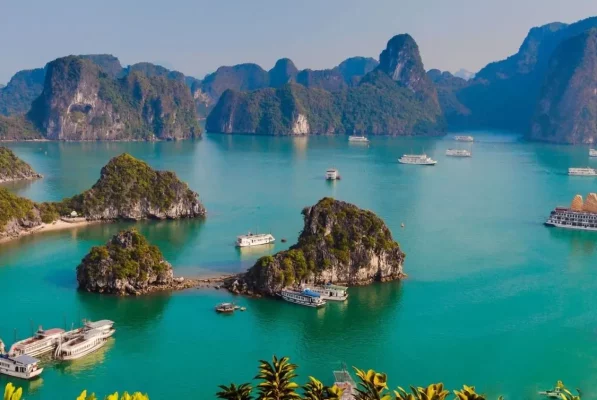
Ha Long Bay
Ha Long Bay is suitable for visitors who want to combine relaxation with natural exploration. However, activities on the bay depend considerably on weather and sea conditions.
- August temperature: Around 27–30°C.
- Stay overnight on a cruise and admire the bay’s distinctive limestone formations.
- Go kayaking or explore caves when sea conditions are favorable.
- Visit Quang Ninh Museum when the weather is unsuitable for outdoor activities.
- Check updates from the cruise operator before departure.
- Avoid scheduling a flight or onward journey too close to the end of the cruise.
Sapa
Sapa in August is known for its lush mountain scenery and developing terraced rice fields. Misty and cloudy landscapes make it especially attractive to photographers.
- August temperature: Around 19–26°C.
- Admire the terraced rice fields in Ta Van, Lao Chai, and Muong Hoa Valley.
- Explore local villages and learn about the lives of ethnic communities.
- Visit attractions near the town center when conditions are unsuitable for trekking.
- Bring a light jacket because early mornings and evenings can be cool.
- Wear shoes with good grip because mountain paths may remain damp after rain.
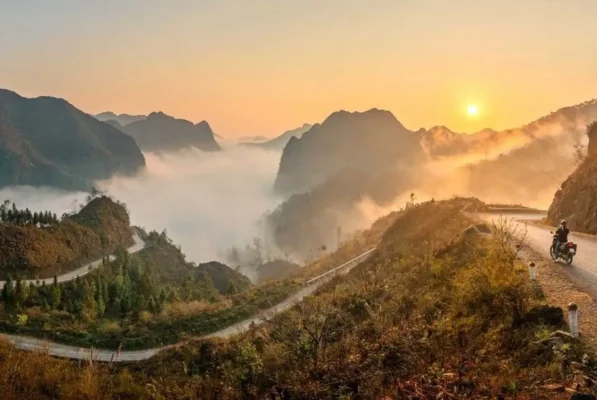
Ha Giang
Ha Giang attracts visitors with dramatic mountains, winding passes, and diverse ethnic cultures. August brings green landscapes, low clouds, and vibrant valleys.
- August temperature: Around 20–29°C, with cooler conditions at higher elevations.
- Explore the Ha Giang Loop by car or motorbike when road conditions are safe.
- Visit the Dong Van Karst Plateau, Ma Pi Leng Pass, and the Nho Que River.
- Discover the culture of ethnic communities in remote villages.
- Check road conditions before traveling through mountain passes.
- Do not trek or drive long distances when landslide warnings are in effect.
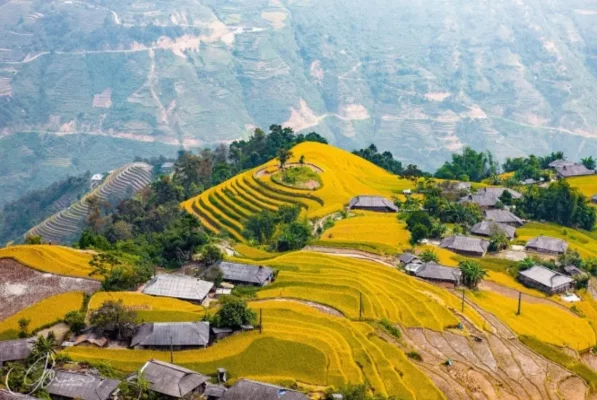
Hoang Su Phi
Hoang Su Phi is an outstanding choice for travelers who love terraced rice fields and slow travel. August brings green rice landscapes, thriving forests, and a peaceful atmosphere.
- August temperature: Around 20–28°C, with cooler mornings and evenings.
- Admire green terraced rice fields in Ban Phung, Ban Luoc, Nam Hong, and Thong Nguyen.
- Trek through mountain paths, traditional villages, and cultivated landscapes.
- Pick tea leaves, taste Shan Tuyet tea, and discover Red Dao culture.
- Relax with a Red Dao herbal bath and herbal massage after outdoor exploration.
- Travel with a local guide who can recommend an appropriate route.
Da Nang
Da Nang is one of the beach destinations worth considering in August. The city combines sandy beaches, cultural attractions, and modern entertainment areas.
- August temperature: Around 25–32°C.
- Swim at My Khe Beach and relax on its long sandy shoreline.
- Visit Linh Ung Pagoda and the Marble Mountains.
- Explore Ba Na Hills and family-friendly entertainment areas.
- See the Dragon Bridge and experience the city’s nightlife.
- Combine the journey with a visit to Hoi An or Hue by bus or train.
Hoi An
Hoi An is suitable for visitors who appreciate architecture, cultural heritage, cuisine, and a slower pace of life. August still offers many suitable days for exploring the Ancient Town.
- August temperature: Around 25–32°C.
- Walk through the Ancient Town and visit its heritage houses.
- Explore assembly halls, the Japanese Covered Bridge, and traditional craft villages.
- Try cao lau, mi Quang, and other local dishes.
- Visit the Ancient Town in the late afternoon or evening to avoid the hottest part of the day.
- Combine cultural exploration with a beach stay at An Bang during favorable weather.
Nha Trang
Nha Trang is suitable for travelers looking for beach relaxation, island exploration, and wellness experiences. August generally provides many favorable periods for coastal activities.
- August temperature: Around 25–31°C.
- Swim, snorkel, and travel by speedboat to nearby islands.
- Enjoy a mineral mud bath after days of outdoor sightseeing.
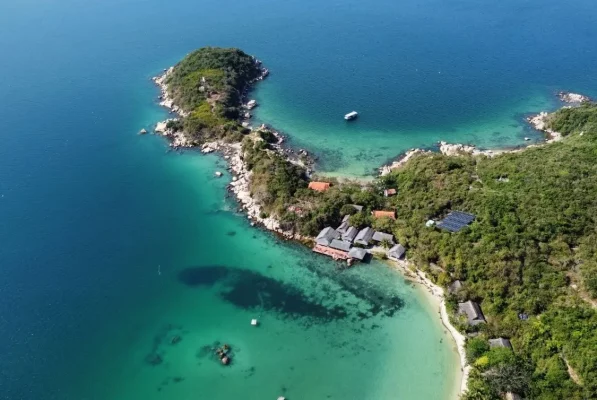
- Explore Hon Mun, Hon Tre, Hon Ong (Whale Island) and other well-known coastal attractions.
- Stay on Whale Island for a secluded retreat surrounded by unspoiled nature.
- Go kayaking, walking, or snorkeling when sea conditions are suitable.
Ho Chi Minh City
Ho Chi Minh City is ideal for travelers who enjoy energetic urban life, history, and food. August is generally hot and humid, with showers often occurring in the afternoon.
- August temperature: Around 25–32°C.
- Visit the Independence Palace, the Central Post Office, and the city’s museums.
- Explore local cuisine at markets, restaurants, and neighborhood food streets.
- Schedule outdoor sightseeing in the morning before possible afternoon showers.
- Spend time in museums, cafés, or shopping centers when it rains.
- Combine the journey with a flight to Con Dao.
Con Dao
Con Dao suits travelers who want to combine history, islands, and nature. August may also provide opportunities to learn about sea turtle conservation.
- August temperature: Around 25–30°C.
- Visit the Con Dao prison complex and other important historical sites.
- Pay respects at Hang Duong Cemetery and the island’s memorial sites.
- Explore Con Dao National Park and its coastal ecosystem.
- Learn about sea turtle conservation with an authorized organization.
- Follow conservation guidelines and avoid disturbing wildlife.
Phu Quoc
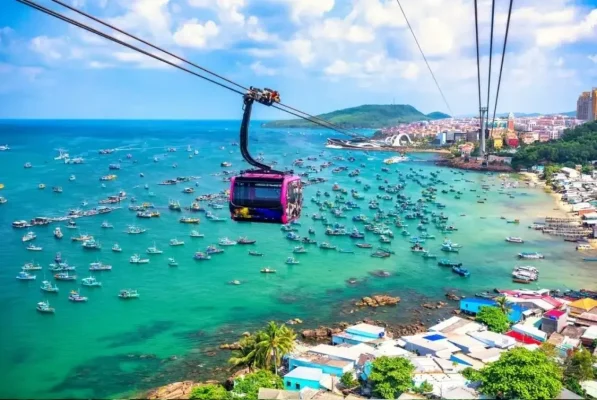
Phu Quoc can still be considered in August, although this is not the most stable time for a beach holiday. Rain, strong winds, and rough seas may occur on some days.
- August temperature: Around 26–30°C.
- Choose a resort with a wide selection of indoor facilities.
- Visit fishing villages, pepper farms, and traditional fish sauce producers.
- Explore VinWonders or Grand World when outdoor conditions are unfavorable.
- Check sea conditions before booking an island tour or snorkeling excursion.
- Choose services that provide flexible itinerary changes.
How should you plan a trip to Vietnam in August?
Careful planning is important when you travel to Vietnam in August. Weather conditions can change quickly, particularly in mountain and coastal areas. Outdoor activities should be arranged at suitable times. Mornings are generally ideal for walking, sightseeing, photography, and nature experiences.
Travelers should also prepare some indoor activities. Museums, cultural attractions, spas, restaurants, and cafés can keep the itinerary enjoyable if a short shower occurs. Those visiting mountain destinations should check road conditions before traveling. Advice from local guides is particularly important following periods of heavy rain.
Allow additional time between different stages of the journey. This reduces the risk of changing weather affecting flights, train journeys, or other pre-booked transportation.
Vietnam holidays and events in August
Travelers searching for information about a Vietnam holiday August may encounter several cultural activities based on the lunar calendar. The Gregorian dates of these occasions change each year.
Vu Lan Festival
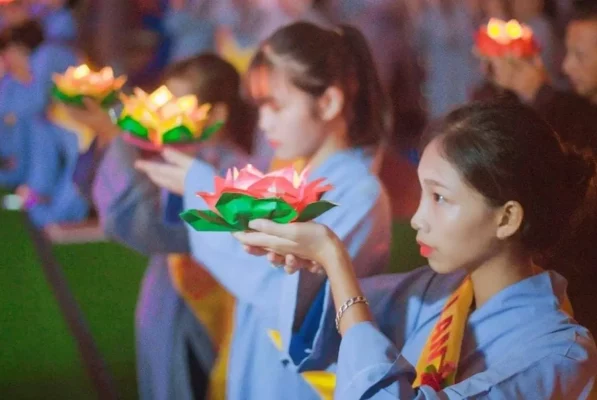
The Vu Lan Festival takes place on the fifteenth day of the seventh lunar month. It is associated with filial piety, gratitude toward parents, and remembrance of ancestors.
During this period, many Buddhist temples hold ceremonies for peace, incense offerings, and charitable activities. Some destinations organize cultural programs or the traditional rose-pinning ceremony.
Visitors should wear respectful clothing and behave appropriately when entering temples. Spiritual sites are generally busier on the main festival day.
Cultural activities based on the lunar calendar
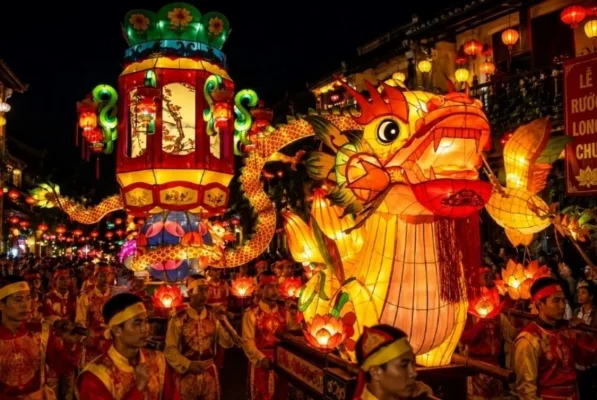
Some localities may organize ceremonies for peace, floating lantern events, or remembrance activities. The scale and exact schedule vary from year to year.
Travelers should check the event calendar at their destination rather than assuming that every locality holds the same programs.
Does it become crowded in late August before Vietnam National Day on September 2?
Travel demand usually begins to increase in late August as the September 2 National Day holiday approaches. Flights, train tickets, and accommodation may sell out earlier at popular destinations.
Travelers extending their journey into early September should reserve services in advance. This is especially important in Hanoi, Da Nang, Nha Trang, and popular resort areas.
Read more about Vietnam Independence Day to discover its history, commemorative activities, and practical travel advice.
What should you pack for Vietnam in August?
Packing for Vietnam in August requires preparation for warm weather, humidity, and occasional showers. Travelers should prioritize lightweight, quick-drying, and practical items.
Clothing
- Lightweight, breathable, and quick-drying clothes.
- A thin jacket or lightweight waterproof jacket.
- Respectful long trousers when visiting temples, pagodas, and spiritual sites.
- Light warm clothing for early mornings in mountain destinations.
Footwear
- Comfortable walking shoes for city sightseeing.
- Trekking shoes with good grip for damp mountain paths.
- Quick-drying sandals for beaches and resorts.
- Avoid shoes with slippery soles on trails after rain.
Essential items
- A compact umbrella or lightweight raincoat.
- Sunscreen and a sun hat.
- A reusable water bottle to stay hydrated.
- A waterproof bag for your phone, passport, and camera.
- Insect repellent for mountain and forested areas.
- A portable charger for longer journeys.
Panhou Retreat – A green escape in Hoang Su Phi
For travelers extending their journey through Northern Vietnam, Panhou Retreat offers a peaceful retreat surrounded by nature.
The retreat combines mountain accommodation with trekking, local culture, and wellness experiences. Guests can walk through villages, admire green rice terraces, or simply spend time resting in the natural surroundings.
A Red Dao herbal bath and massage are particularly suitable after an active day. Shan Tuyet tea also offers a meaningful introduction to local culture.
The weather in Hoang Su Phi can change quickly in August. Staying for several nights gives travelers greater flexibility when arranging outdoor activities.
Explore August packages and experiences at Panhou Retreat
Travelers can explore Panhou Retreat packages designed for different travel styles. Available options combine relaxation, trekking, culture, family experiences, and wellness.
3-day, 2-night National Day package – A journey through the green season
This package is suitable for travelers extending a late-August journey into the September 2 National Day holiday. The program combines accommodation, nature, culture, and relaxation in Hoang Su Phi.
3-day, 2-night Green Summer family package
This package is designed for families who want to spend meaningful time together in nature. Gentle activities help children discover the surrounding landscape and local culture.
2-day, 1-night trekking and local life experience
The journey takes travelers through terraced rice fields, mountain paths, and local villages. A local guide helps choose a route suited to current weather conditions.
3-day, 2-night trekking and cultural experience
This longer trekking package provides additional time to explore the landscape and local communities. It is suitable for active travelers who enjoy slow and meaningful journeys.
3-day, 2-night Herbal Healing Retreat
This spa and nature retreat uses therapies inspired by traditional Red Dao knowledge. The package is suitable for travelers who want to restore their energy after a long journey.
2-day, 1-night Digital Detox – Step away from screens in nature
This experience is designed for travelers who want a break from work, notifications, and a busy daily routine. Time in nature creates space for rest and reconnection with the present moment.
Is Vietnam in August suitable for your trip?
There is no single answer to whether Vietnam in August is suitable for every traveler, because weather conditions vary considerably between regions.
Central Vietnam is suitable for travelers prioritizing a beach holiday. Hanoi is an excellent choice for those interested in culture and the history of Vietnam’s thousand-year-old capital.
Northern Vietnam offers beautiful green rice terraces. Hoang Su Phi is particularly suitable for travelers who appreciate nature and a slower pace of life.
Southern Vietnam remains accessible and enjoyable. Outdoor activities are best arranged in the morning because showers are more likely later in the day.
An August journey can combine history, beaches, mountains, local culture, and wellness. The most important considerations are choosing the right region and checking the forecast regularly.
Frequently asked questions
1. Is August a good time to visit Vietnam?
Yes. August is still worth considering when travelers choose destinations according to the conditions in each region. Central Vietnam is generally suitable for beach holidays, while Northern and Southern Vietnam may experience occasional rain.
2. What is the weather like in Vietnam in August?
Vietnam remains warm in August. Northern Vietnam experiences occasional summer showers, many parts of Central Vietnam remain hot and sunny, and Southern Vietnam continues through its rainy season.
3. Does it rain in Vietnam in August?
Yes, but the rain is generally not continuous throughout the day. Northern and Southern Vietnam experience seasonal showers, while many destinations in Central Vietnam remain favorable for travel.
4. Is August typhoon season in Vietnam?
Tropical storms and depressions may occur in August. Travelers visiting northern coastal areas, North Central Vietnam, and mountainous destinations should monitor forecasts carefully.
5. Which region has the best weather in August?
Central Vietnam is generally the most suitable region for travelers planning to visit Vietnam in August. Da Nang, Hoi An, and Nha Trang are particularly worth considering.
6. What are the best places to go in Vietnam in August?
Hanoi, Hoang Su Phi, Da Nang, Hoi An, Nha Trang, and Con Dao are among the most attractive options. Each destination offers a different style of travel.
7. Is Northern Vietnam worth visiting in August?
Yes, especially for travelers who enjoy green mountains, terraced rice fields, and local culture. However, itineraries should remain flexible because short summer showers may occur.
8. Can I go trekking in Vietnam in August?
Yes, but travelers should check the weather and road conditions before departure. Traveling with a local guide is recommended in complex mountain areas.
9. Is Phu Quoc suitable for visiting in August?
Phu Quoc remains suitable for resort stays, although August is not the most stable month for sea activities. Travelers should prepare indoor alternatives and choose flexible services.
10. Are there any Vietnam holidays in August?
The Vu Lan Festival may take place in August, depending on the lunar calendar. It is associated with filial piety, remembrance of ancestors, and activities at Buddhist temples.
11. Does Vietnam become crowded in late August because of the September 2 National Day holiday?
Travel demand may increase in late August as the National Day holiday approaches. Travelers extending their trip into early September should book transportation and accommodation in advance.

3D2N NATIONAL DAY OFFER | JOURNEY INTO GREEN SEASON
From 125 USD/Guest/Combo
3D2N GOLDEN SEASON IN HOANG SU PHI
From 114 USD/Guest/Combo