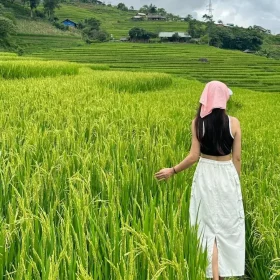
Vietnam in September: Weather And Essential Travel Tips
| ExperiencesTraveling to Vietnam in September brings cooler northern weather, golden rice terraces, and varied regional experiences. However, conditions differ significantly across the country, so travelers should choose destinations and build itineraries carefully.
September usually brings pleasant autumn weather to northern Vietnam. Central Vietnam begins to receive heavier rainfall, while southern Vietnam remains hot, humid, and frequently affected by tropical showers.
Weather in Vietnam in September
The weather in Vietnam in September varies considerably across the country’s three main regions. Northern Vietnam enters autumn, Central Vietnam becomes wetter, and Southern Vietnam remains in the rainy season with high humidity.
| Region | Typical temperature | Weather characteristics | Rain and typhoons | Recommended experiences |
|---|---|---|---|---|
| Northern Vietnam | 24–31°C; mountainous areas around 18–27°C | The weather becomes cooler and more comfortable as autumn begins. Early mornings and evenings can feel slightly chilly in mountainous areas. | Rain may still occur, especially early in the month. Mountain roads can become slippery after heavy showers. | Walk around Hanoi, enjoy the autumn atmosphere, and visit golden rice terraces in the northern mountains. |
| Central Vietnam | Around 24–32°C | The weather remains warm, but rainfall gradually increases. Hue, Da Nang, and Hoi An may experience showers between dry periods. | Coastal areas may be affected by tropical depressions or typhoons during this period. | Visit heritage attractions, explore local cuisine, and enjoy beach activities when conditions are favorable. |
| Southern Vietnam | Around 24–32°C | The region remains hot, humid, and rainy. Mornings are often more suitable for outdoor sightseeing. | Tropical showers commonly occur in the afternoon or evening, but they do not always last all day. | Explore Ho Chi Minh City’s night markets, floating markets in the Mekong Delta, and family attractions such as VinWonders. |
Overall, September is especially suitable for autumn journeys and golden rice terrace experiences in northern Vietnam. Travelers visiting Central or Southern Vietnam should check forecasts, carry rain protection, and keep their itineraries flexible.
Is September typhoon season in Vietnam?
September falls within a period of increased typhoon and tropical depression activity, especially in Central Vietnam and coastal provinces. Northern Vietnam and the North Central region may also experience heavy showers, thunderstorms, and unstable weather.
Regional weather risks in Vietnam during September
- Northern Vietnam: Heavy rain and thunderstorms may occur over wide areas. Mountainous provinces face higher risks of flash floods and landslides.
- Central Vietnam: The rainy and typhoon season usually begins around September and can continue until December. Storms, tropical depressions, and prolonged rain may cause flooding.
- The East Sea: Typhoons and tropical depressions often become more active, increasing the possibility of rough seas and storm landfalls.
Travelers should check forecasts before flights, boat tours, and long-distance journeys. Booking services with flexible cancellation or rescheduling policies can reduce disruption when the weather changes.
Best places to visit in Vietnam in September
A journey through Vietnam in September offers many different experiences. Travelers can enjoy Hanoi’s gentle autumn atmosphere or admire golden rice terraces across the northern mountains.
Because the weather in Vietnam in September differs between regions, destinations should be selected according to climate, interests, and preferred travel style.
Below are some of the best places to visit in Vietnam in September for sightseeing, relaxation, cultural discovery, and seasonal holidays.
Hanoi
September brings cool autumn weather to Hanoi, with temperatures often ranging from 20°C to 24°C. Travelers can enjoy light seasonal breezes, fragrant milk flowers, and the city’s slower autumn rhythm.
- Join food festivals and cultural activities around Hoan Kiem Lake.
- Walk near Turtle Tower, admire falling leaves, and take seasonal photographs.
- Taste young green rice and traditional autumn snacks found across the city.
- Explore Hang Duong and Hang Dieu streets for Mid-Autumn Festival treats.
- Visit Hang Ma Street to see lanterns, star-shaped lights, and traditional paper masks.
- Experience the lively festival atmosphere with drums, toys, decorations, and family activities.

Sapa
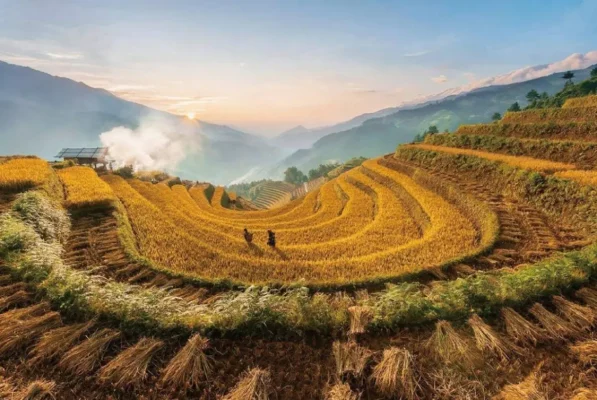
Sapa in September is famous for rice terraces turning golden before harvest. The weather is generally cool, with temperatures often ranging from 14°C to 17°C.
- See golden rice terraces in Ta Van, Lao Chai, Ta Phin, and Muong Hoa Valley.
- Admire hydrangeas and yellow mustard flowers across misty mountain valleys.
- Visit Sapa Rose Valley beneath the Hoang Lien Son mountain range.
- Take photographs among climbing roses, plum blossoms, and colorful seasonal flowers.
- Enjoy pleasant mountain weather as summer gradually comes to an end.
- Bring a light jacket because mornings and evenings can feel chilly.
- Wear shoes with good grip because rain and fog may make trails slippery.
- Check the forecast before trekking or traveling between mountain attractions.
Ha Long Bay
Ha Long Bay suits travelers who want to combine natural scenery with a relaxing cruise. September temperatures usually range from 26°C to 32°C.
- Stay overnight on a cruise and admire the bay during favorable weather.
- Kayak around Ti Top Island and explore the region’s limestone formations.
- Visit Quang Ninh Museum to learn about local history, culture, and mining heritage.
- Bring a light jacket because early mornings or evenings can feel cooler.
- Monitor forecasts because rain, thunderstorms, and tropical depressions may still occur.
- Check updates from cruise operators before departure.
- Avoid overly tight schedules when marine conditions remain uncertain.
Ha Giang
Ha Giang attracts travelers with dramatic mountains, winding roads, and the cultural heritage of diverse ethnic communities.
- Explore the Ha Giang Loop by car, motorbike, or trekking during pleasant September weather.
- Visit Dong Van Karst Plateau, Ma Pi Leng Pass, and the emerald Nho Que River.
- See golden terraces in Ban Phung, Ban Luoc, Ho Thau, Thong Nguyen, and Nam Ty.
- Travel to Hoang Su Phi to photograph the golden rice season across mountain slopes.
- Join cooking activities featuring local dishes such as clay-roasted chicken, bamboo rice, and sticky rice cakes.
- Pick Shan Tuyet tea and try traditional Red Dao clothing.
- Bring a light jacket because nighttime temperatures may fall to around 18–20°C.
- Expect daytime temperatures of approximately 24–30°C.
- Check road conditions because mountainous areas may face landslides after heavy rain.
Da Nang
Da Nang in September usually has temperatures between 24°C and 30°C. Days can be sunny, while sudden showers often appear in the late afternoon or evening.
- Visit Linh Ung Pagoda and explore the Marble Mountains.
- See Dragon Bridge, one of the city’s best-known modern landmarks.
- Explore Ba Na Hills on Chua Mountain, about 25 kilometers from the city center.
- Relax at My Khe Beach, known for soft sand and rows of palm trees.
- Combine the trip with visits to Hoi An or Hue by coach or train.
- Prepare a backup itinerary because September marks the beginning of the wetter season.
- Follow warnings about heavy rain, rough seas, or typhoons before outdoor activities.
- Check local forecasts and transport conditions before booking tickets.
Nha Trang
Nha Trang is suitable for travelers seeking beach relaxation, island exploration, and wellness experiences.
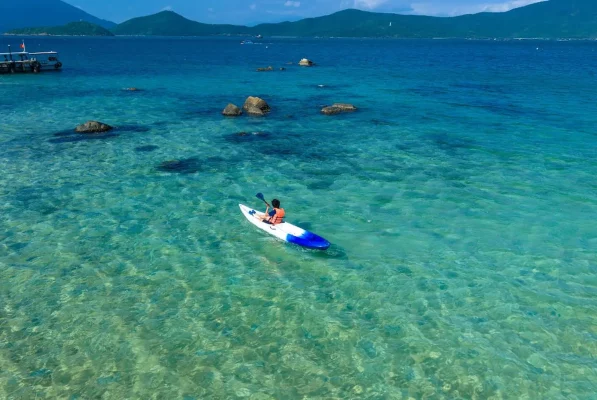
- Swim, snorkel, and take a speedboat to nearby islands.
- Try a mineral mud bath after a day of outdoor sightseeing.
- Explore Hon Mun, Hon Tre, and Hon Ong during an island-hopping journey.
- Stay on Hon Ong for a quiet retreat surrounded by untouched nature and clear water.
- Go kayaking, snorkeling, or walking through natural island landscapes.
- Pack for temperatures that usually range from 25°C to 31°C.
- Check forecasts because showers may affect Nha Trang and Hon Ong.
- Choose flexible services in case rough seas or poor weather require schedule changes.
Ho Chi Minh City
Ho Chi Minh City appeals to travelers interested in energetic urban life, diverse food, culture, and history.
- Visit Independence Palace and important historical sites during Vietnam’s National Day holiday.
- Explore the Central Post Office, Military Zone 7 Museum, and Ho Chi Minh City Museum.
- Discover local food at markets, street-food areas, restaurants, and neighborhood cafés.
- Wear light clothing because September temperatures usually range from 25°C to 32°C.
- Continue the journey to Con Dao or Phu Quoc by air.
Con Dao
Con Dao is known for clear beaches, peaceful scenery, and important historical landmarks.
- Visit the former Con Dao prison system to learn about Vietnam’s modern history.
- Pay respects at Hang Duong Cemetery and other memorial sites.
- Snorkel and explore marine ecosystems when weather and sea conditions are suitable.
- Visit Con Dao National Park and follow nature discovery routes.
- Monitor forecasts because rain or rough seas may affect the itinerary.
Phu Quoc
Phu Quoc is ideal for travelers seeking an island holiday, family entertainment, and local cuisine.
- Swim at Sao Beach, Khem Beach, Dai Beach, and other popular coastal areas.
- Visit fishing villages, pepper farms, and traditional fish sauce producers.
- Go to Rach Vem fishing village to see starfish when natural conditions allow.
- Enjoy seafood and watch the sunset during an island journey.
- Spend time at VinWonders Phu Quoc and Grand World Phu Quoc with the family.
- Ride the Hon Thom cable car for panoramic island and ocean views.
- Visit Sunset Town for photographs, romantic walks, and evening entertainment.
- Prepare alternative plans because September remains part of Phu Quoc’s rainy season.
- Check for heavy rain, strong winds, or rough seas before outdoor activities.
- Use sunny periods during the day for sightseeing and island exploration.

Travel to Vietnam in September: How to plan your journey
Careful planning is important when you travel to Vietnam in September, because weather conditions differ considerably between regions. Choose destinations according to seasonal conditions instead of following one fixed nationwide itinerary.
Travelers in northern Vietnam can prioritize cities, mountain areas, and rice terraces. Those visiting Central Vietnam should monitor forecasts more carefully.
Check local weather before long journeys, especially when traveling through mountains or typhoon-prone coastal areas. Leave extra time between travel segments to prevent weather changes from affecting flights or important bookings.
Visitors heading to famous rice terrace regions should also reserve accommodation early during peak harvest weeks.
Holidays in Vietnam in September and notable events
Travelers researching a holiday in Vietnam in September may encounter several important cultural occasions. The month begins with Vietnam’s National Day, while the Mid-Autumn Festival may also fall in September depending on the lunar calendar.
Vietnam National Day on September 2
September 2 is Vietnam’s National Day and one of the country’s most important public holidays. It commemorates President Ho Chi Minh reading the Declaration of Independence at Ba Dinh Square in Hanoi on September 2, 1945.
The declaration announced the establishment of the Democratic Republic of Vietnam and marked a major turning point in national history. For this reason, September 2 represents independence, national pride, and remembrance.

During the National Day holiday, cities display national flags and organize cultural programs, exhibitions, and public performances. Some destinations may also host concerts, fireworks, or commemorative events, depending on the year.
Travelers can read a complete guide to Vietnam National Day to learn more about its history, celebrations, and travel advice. Flights, attractions, transport services, and accommodation may become busier during the holiday. Booking tickets and rooms early is therefore recommended.
Mid-Autumn Festival
The Mid-Autumn Festival takes place on the fifteenth day of the eighth lunar month. Its date on the Gregorian calendar changes every year.
The festival is strongly associated with children, family gatherings, moon viewing, and traditional cultural activities. Before the celebration, streets, residential areas, shopping centers, and public spaces are decorated with colorful lanterns.
Families often prepare mooncakes, fruit, tea, and festive trays to enjoy together under the full moon.
- Children join lantern processions carrying star-shaped lanterns and traditional toys.
- Lion and dragon dance teams perform in neighborhoods, schools, shopping areas, and public streets.
- Communities organize music performances, folk games, and activities for children.
- Families gather to share mooncakes, fruit, tea, and seasonal treats.
- Streets selling festival decorations become colorful, crowded, and lively in the evening.
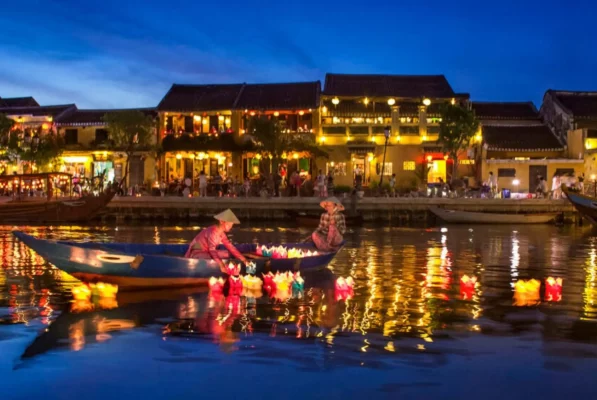
When the Mid-Autumn Festival occurs in September, travelers can experience a festive atmosphere in Hanoi, Hoi An, and other major cities. Popular celebration areas may become extremely crowded at night.
What should travelers consider during September holidays?
- Check official holiday dates and local event schedules before traveling.
- Book flights, trains, buses, and accommodation early to avoid limited availability.
- Allow more travel time because roads and attractions may become crowded.
- Confirm opening hours because government offices and some services may change schedules.
- Protect personal belongings carefully in crowded festival and event areas.
- Monitor forecasts when planning outdoor activities during the rainy season.
What to pack for Vietnam in September
Packing for September should account for warm temperatures, humidity, rainfall, and regional climate differences. Lightweight, breathable, quick-drying clothing works well during hot weather and sudden showers.
Bring a compact umbrella or waterproof jacket, especially when visiting regions affected by seasonal rain. Comfortable walking shoes are suitable for cities, while trekking shoes should provide strong grip on wet trails.
Travelers visiting northern mountain areas should also bring a light jacket for cool mornings and evenings.
Panhou Retreat – a peaceful stay in Hoang Su Phi
For travelers extending a northern journey, Panhou Retreat offers a peaceful stay among the mountains of Hoang Su Phi. The retreat combines nature-based accommodation with trekking, local culture, and spa experiences inspired by Red Dao traditions.
Guests can admire the golden rice season and experience traditional Red Dao herbal baths. The quiet setting suits travelers who want to slow down after visiting busy cities.
September weather in Hoang Su Phi is generally cool and pleasant, making it suitable for outdoor exploration. Travelers can trek along mountain routes, see golden rice terraces, and learn about Red Dao culture.
Explore September packages and experiences at Panhou Retreat
Travelers visiting Vietnam in September can explore accommodation packages at Panhou Retreat designed for different travel styles. Options may combine public holidays, trekking, local culture, wellness, and nature-based experiences.
3-Day, 2-Night National Day Package – Journey Through the Green Season
This seasonal package suits travelers extending a late-August journey into the September 2 National Day holiday. The experience combines accommodation, mountain scenery, cultural activities, and time to relax in Hoang Su Phi.
2-Day, 1-Night Trekking and Local Life Experience
This package is designed for travelers who enjoy physical activity, rice terraces, mountain paths, villages, and local culture. A guided journey helps guests understand the landscape and explore Hoang Su Phi at a slower pace.
3-Day, 2-Night Trekking and Cultural Experience
This longer trekking package provides more time to explore forests, villages, local culture, and mountain scenery. It suits active travelers who want a deeper understanding of Hoang Su Phi.
3-Day, 2-Night Herbal Healing Retreat
This wellness experience combines mountain relaxation with therapies inspired by traditional Red Dao knowledge. The package suits guests who want to restore their energy after trekking or a long journey through Vietnam.
2-Day, 1-Night Digital Detox – Step Away from Screens
This experience is designed for guests who want a temporary break from screens, work, notifications, and busy routines. Time in nature creates space for rest, movement, reflection, and present-moment awareness.
FAQ
1. Is it a good time to go to Vietnam in September?
Yes. September is especially attractive for travelers interested in northern Vietnam, autumn weather, golden rice terraces, and cultural experiences. However, rainfall increases in Central Vietnam, so regional forecasts should guide the itinerary.
2. What is the weather in Vietnam in September?
Northern Vietnam gradually enters autumn, Central Vietnam becomes wetter, and Southern Vietnam remains hot and humid. Because conditions vary significantly, travelers should check local forecasts rather than relying only on national averages.
3. Does it rain a lot in Vietnam in September?
Rain is common in many areas, but the amount and frequency vary by region. Northern Vietnam becomes more comfortable, Central Vietnam receives increasing rainfall, and Southern Vietnam continues to experience seasonal showers.
4. Is September typhoon season in Vietnam?
September can be part of a higher-risk typhoon period, particularly in Central Vietnam and coastal areas. Travelers should follow local warnings before beach trips, boat journeys, or outdoor activities.
5. Which part of Vietnam has the best weather in September?
Northern Vietnam often becomes more appealing as temperatures fall and autumn conditions begin. However, the best region depends on planned activities, weather preferences, and exact travel dates.
6. What are the best places to visit in Vietnam in September?
Hanoi, Hoang Su Phi, Ha Giang, Sapa, and Mu Cang Chai are among the leading northern destinations. Nha Trang and Da Nang remain possible choices, but travelers should monitor rain and typhoon forecasts.
7. Is Northern Vietnam worth visiting in September?
Yes. September is particularly attractive for autumn scenery, mountain landscapes, and rice terraces. Weather can still change, so trekking plans and outdoor schedules should remain flexible.
8. Is September suitable for seeing rice terraces?
Yes. Many northern rice terraces change from green to gold during September. Harvest timing varies according to altitude and weather, so travelers should confirm local conditions before departure.
9. Can travelers go trekking in Vietnam in September?
Yes. Trekking remains suitable in many northern regions, but trail conditions should be checked after heavy rain. Travelers should follow local advice and postpone activities when mountain routes become unsafe.
10. What are the best and worst months to visit Vietnam?
There is no single best or worst month for the entire country because Vietnam has several climate zones. March to April often offers balanced conditions in many regions, while September is excellent for northern autumn scenery.
The least suitable months depend on the destination. Central coastal areas may face heavy rain and typhoons from September to December, while Southern Vietnam is wetter from roughly May to October.
11. When should travelers avoid traveling to Vietnam?
Travelers should avoid destinations under warnings for typhoons, flooding, landslides, or dangerously rough seas. In many cases, changing to a safer region is more practical than canceling the entire trip.

3D2N NATIONAL DAY OFFER | JOURNEY INTO GREEN SEASON
From 125 USD/Guest/Combo
3D2N GOLDEN SEASON IN HOANG SU PHI
From 114 USD/Guest/Combo