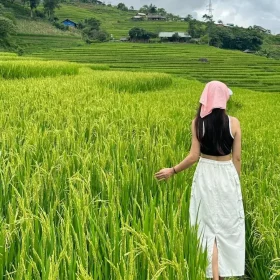
Vietnam Independence Day: Travel Experiences on September 2
| ExperiencesVietnam Independence Day is celebrated every year on September 2, marking an important milestone in the country’s modern history. On September 2, 1945, President Ho Chi Minh read the historic Declaration of Independence at Ba Dinh Square in Hanoi.
The event proclaimed the establishment of the Democratic Republic of Vietnam and opened a new chapter in the country’s history. Today, September 2 is one of the most important national holidays for Vietnamese people across the country.
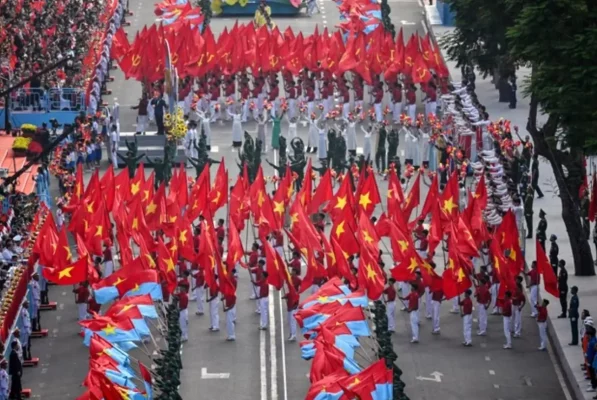
During this period, streets are decorated with red flags featuring the yellow star, banners and images celebrating national pride.
Many families also use the holiday to reunite, relax or take short trips together. For international visitors, this is a special opportunity to learn about Vietnamese history and experience the country’s festive atmosphere.
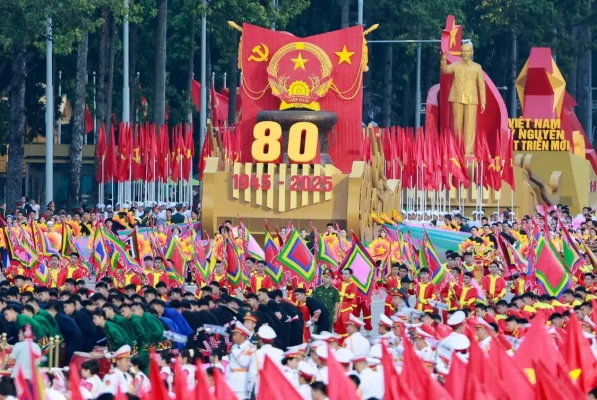
What Is Vietnam Independence Day?
Vietnam Independence Day is an official national holiday celebrated throughout the country on September 2 every year.
Following the success of the August Revolution, major political and social changes took place across Vietnam. On September 2, 1945, President Ho Chi Minh appeared at Ba Dinh Square and read the historic Declaration of Independence.
The event marked the establishment of the Democratic Republic of Vietnam and became an important milestone in the nation’s history. Since then, September 2 has been commemorated every year as Vietnam National Day.
In Vietnamese, the holiday is commonly known as “Quoc Khanh,” “Quoc Khanh 2/9,” or simply “2/9.” For international visitors, the terms Vietnam Independence Day and Vietnam National Day generally refer to the same national holiday.
The History of Vietnam Independence Day
To understand why September 2 holds such great significance, it is important to look back at Vietnam’s historical context in 1945.
The August Revolution brought major changes and paved the way for a new turning point in the country’s history. Shortly afterward, a historic event took place at Ba Dinh Square in the center of Hanoi.
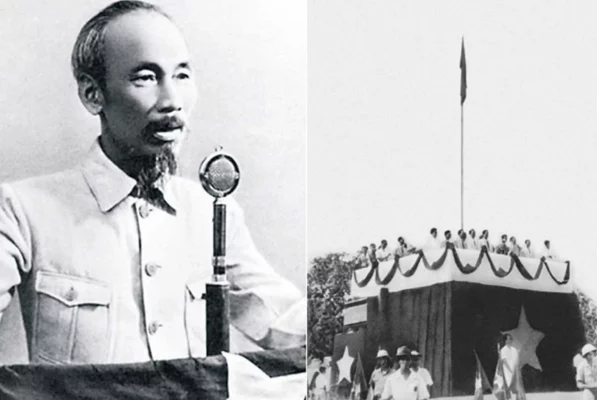
On September 2, 1945, President Ho Chi Minh read the Declaration of Independence before a large gathering of Vietnamese people.
The event proclaimed the establishment of the Democratic Republic of Vietnam and became a defining milestone in modern Vietnamese history. Since then, September 2 has remained closely associated with independence, national sovereignty and the people’s aspiration for self-determination.
What Happened on September 2, 1945?
On September 2, 1945, a large public gathering was held at Ba Dinh Square in central Hanoi. During this historic event, President Ho Chi Minh read the Declaration of Independence before a large crowd.
The event proclaimed the establishment of the Democratic Republic of Vietnam and marked a significant turning point in national history. For this reason, September 2 became Vietnam National Day and has been commemorated throughout the country every year.
Why Is Ba Dinh Square Important to Vietnam Independence Day?
Ba Dinh Square is one of the most historically significant places associated with Vietnam Independence Day. It was here that the Declaration of Independence was publicly read on September 2, 1945.
Today, the Ba Dinh area continues to hold an important position in the political and historical life of Hanoi. Travelers interested in Vietnamese history often choose Ba Dinh as a starting point for exploring the capital.
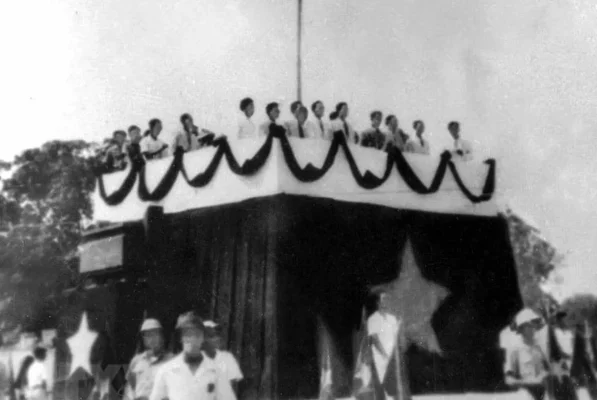
Several important landmarks are also located around the area, helping visitors gain a deeper understanding of Vietnam’s modern history.
How Do Vietnamese People Celebrate Vietnam Independence Day?
Vietnam Independence Day celebrations may vary depending on the destination and the official schedule announced each year. However, several familiar activities and images can be seen throughout the country during this important holiday.
Vietnamese Flags and National Day Decorations
One of the most recognizable sights during National Day is the Vietnamese red flag with a yellow star. Flags are displayed outside homes, government offices, businesses, hotels and many public buildings across the country.
Major streets in many cities may also be decorated with banners, flowers and other festive displays. For travelers, walking through the streets during this period provides a different perspective on everyday life in Vietnam.
Visiting Historical Sites and Landmarks
National Day is also a time when many people choose to learn more about important milestones in Vietnamese history.
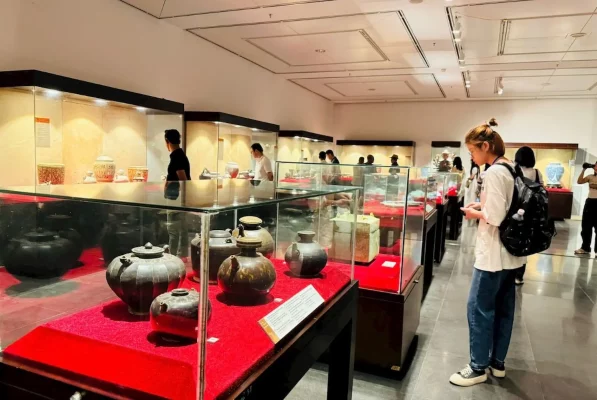
Museums, historical sites and memorial landmarks often attract both local residents and visitors during the holiday.
In Hanoi, the Ba Dinh area has particular significance because of its direct connection to the historic events of September 2, 1945.
Cultural Programs and Community Activities
Depending on the year and destination, cultural programs and community activities may be organized to celebrate National Day. Some cities may host art performances, exhibitions or special events marking one of Vietnam’s most important national holidays.
However, fireworks and large-scale celebrations are not necessarily organized in every destination each year. Travelers should check official local announcements before their trip for the latest event schedules.
What Do Vietnamese People Do During the National Day Holiday?
Vietnam Independence Day is an opportunity for many families and groups of friends to relax or take a short holiday. Some people return to their hometowns to spend time with family, while others choose to travel during the break.
As a result, major cities and popular holiday destinations can become busier than usual. Travelers should consider booking accommodation and transportation in advance when visiting during the Vietnam Independence Day holiday.
Vietnam Independence Day Hanoi: Where History Comes Alive
For visitors interested in understanding the significance of September 2, Hanoi is one of the most important destinations to explore. The capital is directly connected to the origins of the holiday because the Declaration of Independence was read at Ba Dinh Square.
Beyond its historical importance, Hanoi also allows visitors to experience the atmosphere of National Day through the everyday life of the city.
Ba Dinh Square
Ba Dinh Square should be one of the first places to visit when exploring the history of Vietnam National Day in Hanoi. On September 2, 1945, President Ho Chi Minh read the Declaration of Independence at this historic square.
Today, travelers can visit the Ba Dinh area to better understand the significance of the events that took place in 1945. The area also connects Vietnam’s historical story with the political and cultural landscape of modern Hanoi.
Ho Chi Minh Mausoleum
Located in the Ba Dinh area, the Ho Chi Minh Mausoleum is an important landmark for many visitors to Hanoi. It frequently appears in cultural and historical itineraries, particularly for travelers visiting the Vietnamese capital for the first time.
Visitors should check the latest opening hours before arriving, especially during public holidays or periods when special events are taking place.
Hanoi Old Quarter During Vietnam Independence Day
Experiencing Vietnam Independence Day Hanoi is not limited to visiting historical monuments and landmarks. The Hanoi Old Quarter offers another way to experience the holiday through the daily rhythm of local life.
During National Day, many streets, shops and houses may display Vietnamese flags, creating a distinctive festive atmosphere. Travelers can explore the Ba Dinh area in the morning before spending the rest of the day discovering Hanoi Old Quarter. Street food, local cafés and everyday city life make the journey feel more engaging, authentic and diverse.
Museums and Historical Sites to Visit
Travelers who want to understand Vietnam Independence Day more deeply can include several historical museums in their Hanoi itinerary.
Rather than trying to visit too many attractions, choose places that provide relevant insights into the historical periods you want to explore.
An itinerary combining Ba Dinh Square, museums and cultural landmarks can offer a more comprehensive perspective on Vietnamese history.
What should travelers know about visiting Hanoi on September 2?
Hanoi can become significantly busier during the days surrounding the Vietnam Independence Day holiday. Popular attractions and central areas often receive more visitors than they would during regular travel periods.
Travelers should book accommodation and long-distance transportation early when planning a trip around the National Day holiday. It is also advisable to check opening hours for museums, historical sites and attractions before beginning your daily itinerary.
Some roads surrounding major event areas may be subject to temporary traffic restrictions or changes in traffic flow. Travelers should also allow additional travel time to avoid disruptions to sightseeing plans and other scheduled activities.
Is September 2 a good time to travel in Vietnam?
September 2 is a suitable time for travelers who want to explore Vietnam’s culture and history. The atmosphere during Vietnam Independence Day is noticeably different from what visitors may experience on an ordinary travel day.
National flags, decorated streets and celebratory activities can create memorable experiences throughout the holiday. However, domestic travel demand also increases at many popular destinations during this period.
Why travel to Vietnam around September 2?
One reason to consider traveling during this period is the opportunity to experience a national holiday alongside Vietnamese people. Instead of learning about history only through books, travelers can experience the atmosphere of the celebration in everyday life.
Hanoi is particularly suitable for visitors interested in history, architecture and stories connected to modern Vietnam. After exploring the capital, travelers can also extend their journey to the natural landscapes of Northern Vietnam.
What should travelers know before the trip?
National Day is an official public holiday, although the exact holiday schedule may vary from year to year. Travelers should therefore check the latest official announcements rather than relying entirely on information from previous years.
Restaurants, tourist attractions and service businesses may adjust their opening hours during the holiday period. Transportation services and popular resorts may also become fully booked quickly during peak travel days. Travelers should plan early for flights, trains, buses, hotels and other transportation services required during the journey.
Should you book accommodation before Vietnam Independence Day?
Travelers should consider booking accommodation around one month in advance when visiting immediately before or after September 2.
This is particularly important in Hanoi and popular domestic destinations chosen by many Vietnamese families during the holiday.
Advance booking is even more important in remote mountain regions, where accommodation capacity and transportation options may be limited.
Beyond Hanoi: Extend your Vietnam Independence Day journey to Northern Vietnam
A journey during 2 9 Vietnam Independence Day does not necessarily have to end after several days exploring Hanoi. After discovering the country’s history and experiencing the festive atmosphere, travelers can continue their journey further into Northern Vietnam.
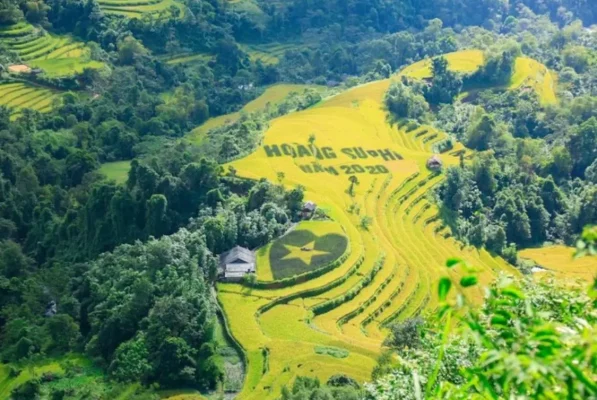
The mountainous region offers terraced rice fields, forest landscapes and diverse communities with distinctive cultural traditions. It is also an ideal choice for balancing a history-focused journey with several peaceful days surrounded by nature.
Why combine Hanoi with a nature escape?
Hanoi tells stories of history, urban culture and the vibrant atmosphere surrounding Vietnam Independence Day. Meanwhile, the mountains of Northern Vietnam offer a slower pace of life and distinctive natural landscapes.
This combination is suitable for travelers seeking a diverse itinerary rather than spending the entire journey in one destination. In Hanoi, visitors can explore museums, historical sites and landmarks associated with the history of Vietnam National Day. Heading north, the journey shifts toward mountains, terraced rice fields, trekking and authentic local cultural experiences.
Discover Hoang Su Phi on a September journey
Hoang Su Phi is known for its mountainous terrain and extensive terraced rice fields stretching along dramatic hillsides. Between late summer and early autumn, the appearance of the terraces gradually changes with each stage of the rice-growing season.
The region is ideal for travelers interested in nature, photography, trekking and experiences connected with local communities. Visitors can spend time walking between villages or simply relaxing amid the peaceful landscapes of the northern mountains. Rather than making only a day trip, staying several nights allows travelers to better experience the rhythm of highland life.
Panhou Retreat – a nature Retreat in Hoang Su Phi
For travelers looking to extend their Vietnam Independence Day holiday, Panhou Retreat offers a peaceful place to stay in Hoang Su Phi. The retreat is surrounded by mountain landscapes, making it suitable for journeys focused on privacy, nature and a slower pace.
Panhou Retreat combines nature-inspired accommodation with experiences influenced by the cultural traditions of local communities. Guests can join trekking journeys, discover village life or simply spend time relaxing in the retreat’s green surroundings.
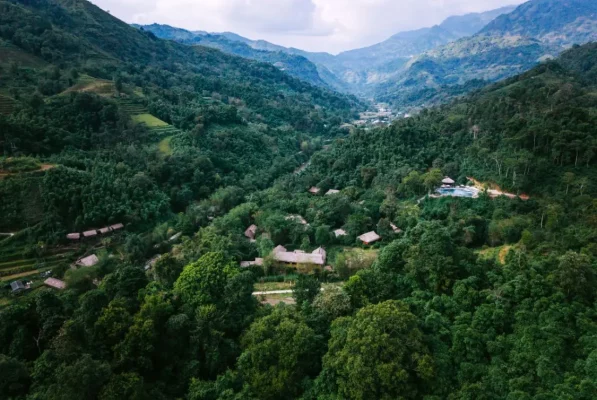
Experiences such as traditional Red Dao herbal baths also add a distinctive local element to the journey. After experiencing Vietnam Independence Day Hanoi, Hoang Su Phi offers travelers an opportunity to slow down and reconnect with nature.
Explore Vietnam Independence Day packages and experiences at Panhou Retreat
Travelers planning a September holiday can explore special packages at Panhou Retreat. The programs are designed for different travel styles, including family retreats, trekking adventures, wellness experiences and nature escapes.
For the National Day holiday, travelers can consider the 3D2N National Day Package – Journey Into Green Season. The package is suitable for guests who want to combine their September 2 holiday with the natural landscapes and experiences of Hoang Su Phi.
Trekking and Local Life Experiences
The journey takes travelers through forests, terraced rice fields and villages with the support of experienced local guides. It is suitable for visitors who want to explore the landscapes of Hoang Su Phi through immersive walking experiences.
>Explore the breathtaking trails winding through Hoang Su Phi’s iconic terraced rice fields
Herbal Healing Retreat
This retreat focuses on relaxation and wellness experiences within the peaceful environment of Northern Vietnam’s mountains. The activities are inspired by traditional Red Dao herbal knowledge and a lifestyle closely connected with the natural environment.
>Discover the healing traditions of the Red Dao amid the peaceful mountains
Family Retreat
This package is suitable for families looking to spend meaningful time together through outdoor activities and local discoveries. The natural surroundings allow family members to step away from busy routines and spend more quality time together.
>Create meaningful family moments surrounded by the mountains, villages and nature
Digital Detox
This experience is designed for travelers who want to take a break from electronic devices and busy work schedules. Time in nature allows guests to focus more on relaxation, movement and meaningful experiences in their surroundings.
Package inclusions, prices and availability may change depending on the season and the retreat’s current policies. Travelers should check the latest information on Panhou Retreat’s special offers page before confirming their reservation.
>Reconnect with nature and rediscover a slower rhythm of life in the tranquil mountains
FAQ
1. What is Vietnam Independence Day?
Vietnam Independence Day is a national holiday celebrated throughout the country on September 2 every year. It commemorates the event when President Ho Chi Minh read the Declaration of Independence at Ba Dinh Square in 1945.
2. Does Vietnam have an Independence Day?
Yes. Vietnam celebrates its National Day on September 2 every year, commemorating an important milestone in the country’s history.
3. When is Vietnam Independence Day?
Vietnam Independence Day is celebrated annually on September 2 and is an official public holiday in the country. The exact holiday schedule may vary each year, so travelers should check current announcements before planning their trip.
4. What does “2 9 Vietnam Independence Day” mean?
The search phrase 2 9 Vietnam Independence Day refers to Vietnam National Day, celebrated annually on September 2. The format 2/9 follows the day-month date format commonly used in Vietnam, meaning the second day of September.
5. Why is September 2 important in Vietnam?
September 2 commemorates the day President Ho Chi Minh read the Declaration of Independence at Ba Dinh Square in Hanoi in 1945.
6. Are Vietnam National Day and Independence Day the same?
Yes. National Day is the official name, while Independence Day is commonly used in English-language travel and informational content. Both terms refer to September 2 and the historical significance associated with the events that took place in 1945.
7. Where was Vietnam’s Declaration of Independence Read?
President Ho Chi Minh read the Declaration of Independence at Ba Dinh Square in Hanoi on September 2, 1945.
8. How do Vietnamese People celebrate Independence Day?
Common activities include displaying national flags, decorating streets, visiting historical landmarks and participating in cultural programs. Specific celebrations may vary depending on the year and the official plans announced by each destination.
9. What is special about Vietnam Independence Day Hanoi?
Hanoi holds particular significance because Ba Dinh Square was the location of the historic events of September 2, 1945. Travelers can explore Ba Dinh, visit historical landmarks and experience the festive atmosphere throughout the streets of the capital.
10. Are attractions closed on Vietnam Independence Day?
Not all attractions close during Vietnam Independence Day, although opening hours and operating schedules may change. Travelers should check the opening hours of individual attractions, restaurants and services before starting their journey.
11. Is September 2 a good time to travel in Vietnam?
Yes, particularly for visitors interested in history, culture and the atmosphere surrounding an important national holiday. However, domestic travel demand often increases, so travelers should book transportation and accommodation as early as possible.

3D2N NATIONAL DAY OFFER | JOURNEY INTO GREEN SEASON
From 125 USD/Guest/Combo
3D2N GOLDEN SEASON IN HOANG SU PHI
From 114 USD/Guest/Combo