Wellness Travel 2026: Healing Travel Trends & How to Choose the Right Resort
| ExperiencesWellness travel trends 2026 refer to a type of travel designed to maintain, enhance, or initiate a healthy lifestyle through physical, mental, and emotional activities. Unlike conventional leisure tourism, wellness travel focuses on deep connections with nature, local cultural identity, and personalized therapeutic treatments aimed at restoring holistic well-being from within.
Why has wellness travel become a global trend?
Wellness travel is defined as a form of tourism aimed at maintaining or improving physical and mental well-being through intensive therapeutic activities. Rather than simply sightseeing for entertainment, travelers actively participate in processes that restore energy and rebalance emotions. This type of travel is especially suitable for people who frequently experience anxiety, stress, or psychological issues caused by the pressures of study and everyday work.
Today, the rapid rise of this trend stems from prolonged urban stress and the growing need to restore immunity in the post-pandemic era. Wellness travel is no longer considered a luxury option but is gradually becoming an essential need for people to reestablish their natural biological rhythms. Disconnecting from fast-paced environments allows the brain to truly rest.
Unlike traditional leisure vacations, healing travel requires the presence of therapeutic elements such as healthy cuisine, mind-body classes, and guidance from wellness experts. This enables the journey to create lasting positive changes even after travelers return to their daily lives.
Wellness Travel 2026: The Most Prominent Trends
In 2026, the global tourism industry is witnessing the rise of wellness-focused vacations that emphasize local values and reduced dependence on technology. These trends are not temporary fads but rather a return to the core values of life itself.
1. Healing Through Untouched Nature
Nature-based wellness trends emphasize returning to “Mother Nature,” where people reconnect with the natural world through their senses to achieve harmony between humans and nature. This helps soothe the soul and restore mental balance.
Simple healing experiences through sound include listening to birds singing, flowing streams, or falling leaves. You can also reconnect through touch by walking barefoot on grass, sunbathing, or enjoying light trekking to absorb Vitamin D from sunlight and beneficial negative ions from plants. At the same time, relaxing your eyes by watching sunlight filter through lush green leaves helps relieve eye strain, while breathing fresh forest air boosts natural immune cells and significantly reduces cortisol levels, the hormone associated with stress.
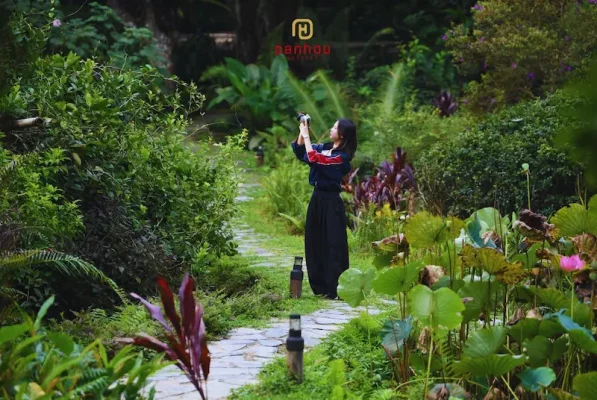
At Panhou Retreat, the pristine mountainous forests of Hoang Su Phi have been carefully preserved, creating a rare sense of secluded relaxation. Beneath traditional palm-thatched bungalows hidden under ancient forest canopies, guests can enjoy private healing spaces filled with birdsong and warm sunlight gently touching the leaves. Trekking here is not only physical exercise but also a mindfulness practice that encourages guests to be fully present in every step.
2. Digital Detox and Slow Travel
Digital detox and slow travel have become defining features of healing retreats in 2026. Travelers increasingly seek destinations without wifi, phone notifications, or television signals in order to practice the philosophy of “slowing down and living deeply.”

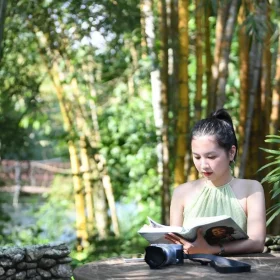
The philosophy at Panhou Retreat encourages guests to spend time reading books by the stream, practicing yoga to improve posture, or walking through the forest while breathing rare, fresh mountain air. Temporarily disconnecting from the digital world helps the nervous system reduce dependence on instant dopamine stimulation, improve sleep quality, and enhance deep focus.
3. Healing Experiences Through Local Culture
Healing experiences rooted in indigenous communities are becoming especially popular among international travelers. Wellness tourism that incorporates the herbal knowledge of ethnic minority groups creates a deeper sense of trust and authenticity through traditional medicine and cultural connection.
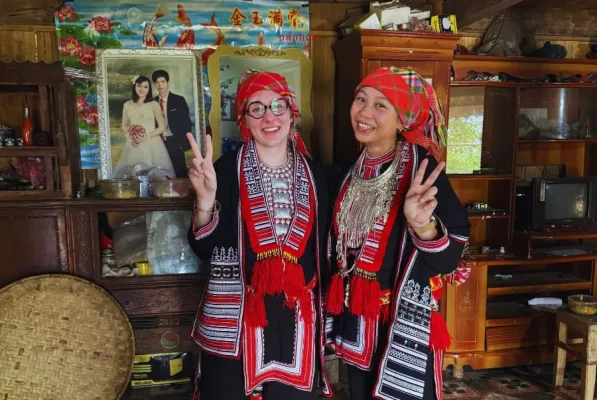
In particular, the Red Dao herbal bath therapy at Panhou Retreat is a clear example of this trend. Using more than 10 precious herbs collected directly from the surrounding forests—knowledge preserved only by the Red Dao people—the herbs are simmered for nearly two hours to create a rich and aromatic medicinal bath infused with the essence of the Northwestern mountains. This traditional remedy helps relieve muscle pain, restore tired joints and skin, refresh the mind after traveling steep mountain roads, and is even believed to help detoxify the body and soothe skin conditions.
Popular Types of Wellness Travel
Depending on health conditions and personal goals, travelers can choose different wellness travel styles to achieve optimal results. Understanding each type of retreat will help you design the most suitable restorative journey for yourself.
1. Yoga and Meditation Retreats
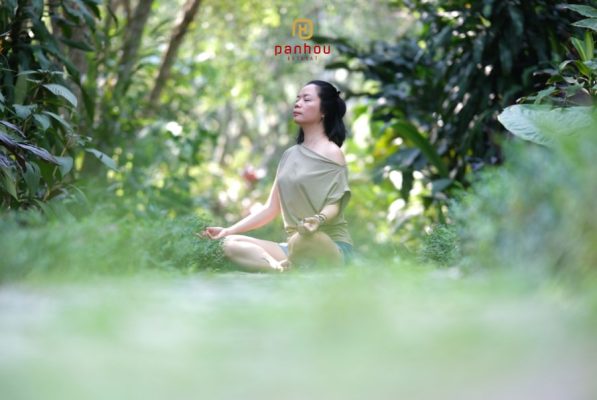
This is the most popular form of wellness travel, focusing on the combination of yoga practices (Asana) and breathing techniques (Pranayama) in peaceful environments. It is ideal for those seeking greater physical flexibility and mindfulness through daily meditation.
2. Forest Bathing Retreats
This type of retreat emphasizes staying within nature reserves or ancient forests. Main activities include gentle walking, birdwatching, and enjoying local organic food. Nature retreats are characterized by minimal facilities that highlight the raw beauty of the natural environment.
3. Cultural Healing Travel
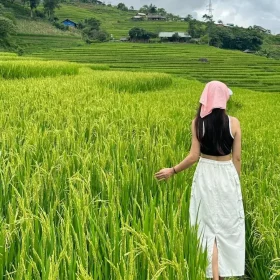
The combination of sustainable tourism and local cultural experiences helps travelers heal emotionally and mentally. Guests can join trekking tours, rice terrace running events, and activities that explore the daily lives of local communities. This type of travel is not only about relaxation but also about discovering new experiences, meeting new people, and enjoying regional specialties. Learning about local cultures and the beauty of unfamiliar lands helps expand both the mind and the heart.
Characteristics of a True Wellness Retreat
A genuine healing journey must include distinctive elements that differentiate it from ordinary tourism. The characteristics of a wellness travel experience should include a strong connection to the natural environment and personalized services tailored to individual needs.
Balanced Body, Mind, and Emotions
First and foremost, a complete wellness experience should positively impact the traveler’s physical health, mental state, and emotions throughout the journey.
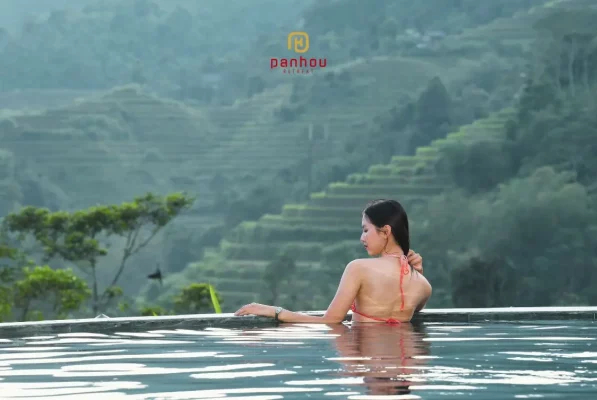
One of the most important factors to consider is choosing retreats that harmonize with clean and green natural environments, ensuring that the whole family can enjoy high-quality air. Retreats located deep within ancient forests and mountainous regions offer abundant negative ions (anions), often referred to as “air vitamins,” which help purify the air by neutralizing positively charged dust and bacteria. These ions are found in much higher concentrations—20 to 50 times more than in cities—in forests and coastal areas, contributing to better health, improved sleep, and enhanced mood.
Healing Environment: Green Spaces and the Absence of Urban Pollution
The surrounding environment acts as the most important “catalyst” in the healing process. A true retreat should be located in areas with high air quality and free from noise pollution and industrial lighting. In Hoang Su Phi, the isolation created by the mountainous landscape forms a “natural filter,” allowing guests to achieve deep relaxation that city hotels cannot provide.
Personalized Experiences: Putting People at the Center
There is no universal healing formula that works for everyone. One of the key characteristics of wellness travel is the ability to customize therapies according to each guest’s actual health condition. For example, the Red Dao herbal bath at Panhou Retreat can be adjusted in temperature and herbal concentration based on each guest’s body condition and wellness goals, ensuring both safety and optimal effectiveness.
Sustainable Impact: Lifestyle Changes After the Journey
The true value of healing travel lies in what remains after guests return home. A meaningful experience equips you with knowledge about breathing techniques, healthy eating habits, and ways to listen to your body. Ultimately, the goal is to turn the trip into a positive milestone for long-term well-being.
How to Choose the Right Wellness Retreat for You?
To choose the right retreat amid the wellness travel trends of 2026, you first need to clearly define the purpose of your current wellness journey.
1. What Are You Looking for in a Wellness Journey?
Before starting a wellness travel journey, identifying your personal goals is the key factor that determines the effectiveness of the experience. Wellness is not simply about luxury vacations but an intentional process of improving overall well-being through physical, psychological, and spiritual activities.
If you are dealing with stress and looking for a peaceful place to relax, choose destinations hidden deep in forests or on remote islands that provide harmony with nature and rare tranquility. The primary purpose of such a retreat should be inner stillness that helps reorganize your thoughts.
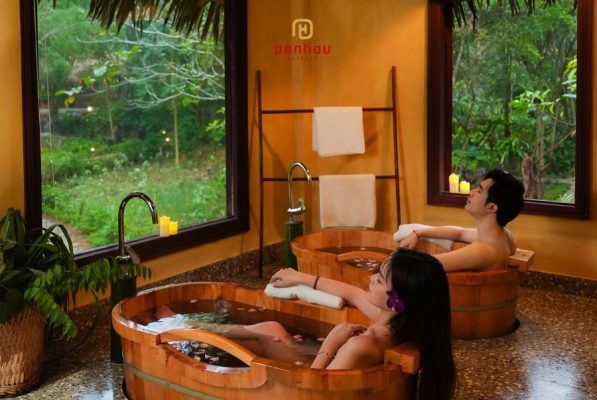
On the other hand, if your goal is to improve physical health issues, retreats offering herbal therapy spas, massage treatments, and yoga experiences will be ideal choices. Meanwhile, if you are seeking renewal and exploration, a trip combining light physical activities with local cultural experiences may bring greater positive impact.
Additionally, consider the terrain and travel time. A destination that is farther away but surrounded by abundant natural landscapes may sometimes offer greater health benefits than a modern resort located near busy urban centers.
2. What Does Your Body Truly Need After an Intensive Wellness Journey?
After a complete wellness travel experience, your body and mind should reach a state of internal balance, also known as homeostasis. This is when biological indicators improve naturally and a sense of peace is restored within the body.
-
Nervous system recovery: After days of disconnecting from the digital and electronic world, your brain reduces cortisol levels (the stress hormone), and your mood becomes calmer. You will notice improved concentration and deeper sleep.
-
Herbal healing methods that are safe for the body: For people experiencing joint pain, respiratory issues, or chronic skin conditions, the body benefits from natural and traditional therapies. Hot mineral baths sourced from underground springs or the Red Dao herbal baths help improve blood circulation, warm the body, release built-up cold energy, and relax tense muscles.
-
Healthy cuisine that supports wellness: In addition to physical recovery, you should pay attention to the quality and origin of the food at the retreat. Check whether they offer clean ingredients, vegetarian menus, or organic macrobiotic meals that help detoxify the body, lighten digestion, and restore internal balance.
3. Criteria for Choosing the Ideal Wellness Destination
A true wellness retreat should not only be visually beautiful or suitable for photography, but also a place where both the body and mind can naturally slow down. When choosing a healing destination, there are three important factors to consider: the tranquility of the environment, the authenticity of local therapies, and the way architecture connects people with nature.
Geographical distance and environmental tranquility: Destinations located far from crowded urban centers, such as the mountains of Hoang Su Phi, often provide deeper relaxation due to their separation from everyday life. Fresh air, lush greenery, and the silence of the mountains allow the body to relax naturally, improve sleep quality, and reduce mental stress.
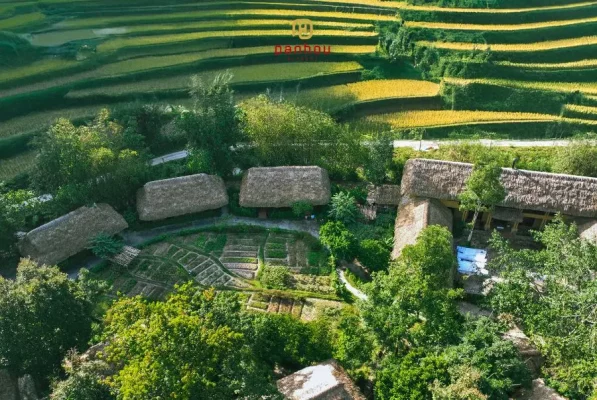
Authenticity of local therapies: Prioritize destinations closely connected to local culture rather than generic spa experiences. At Panhou Retreat, the Red Dao herbal bath is not merely a relaxation service but a traditional healing knowledge passed down through generations. The herbs are harvested directly from the forest and prepared using traditional methods, creating a wellness experience deeply connected to nature and local identity.
Architecture in harmony with nature: An ideal healing retreat often features open designs and uses natural materials such as wood, stone, or bamboo to create a sense of comfort and connection. Natural light, fresh airflow, and surrounding green spaces help guests feel more connected to the environment, allowing both body and mind to regain balance after stressful days.
Suggested Wellness Experiences at Panhou Retreat
Healing travel at Panhou Retreat is defined as a combination of eco-retreat experiences and indigenous therapeutic practices designed to restore energy. Unlike industrial-style spa resorts, the experience here focuses on personalization and absolute tranquility. Guests are immersed in ancient forest ecosystems, pure spring water, and traditional Red Dao herbal remedies that relieve stress and restore vitality from within.
The Harmony Between Modern Architecture and Traditional Earthen Thatched Houses
One of the most important elements that creates the healing value of Panhou Retreat is its accommodation design. Rather than overpowering the surrounding landscape, the rooms are built in harmony with nature through earthen-wall bungalows with palm-thatched roofs and open layouts that maximize natural energy.
-
Natural materials that enhance human emotions: The use of reclaimed wood, bamboo, stream stones, and leaf roofs naturally regulates temperature, creating an environment for deep and restful sleep without air conditioning. At the same time, these materials establish a rustic connection with nature, reducing the coldness often associated with concrete and steel.
-
Open landscapes that invite sunlight and fresh air: Spacious balconies overlooking terraced rice fields or fragrant flower gardens are not merely scenic spots, but spaces that encourage guests to practice mindful observation. When the boundary between living space and forest disappears, the human nervous system naturally shifts from a “fight or flight” mode into a state of “rest and restoration.”
Seasonal Farm-to-Table Cuisine
At Panhou Retreat, cuisine is not simply about nourishment but also a form of therapy. We believe that the body heals best when it receives food carrying the energy of the land itself.
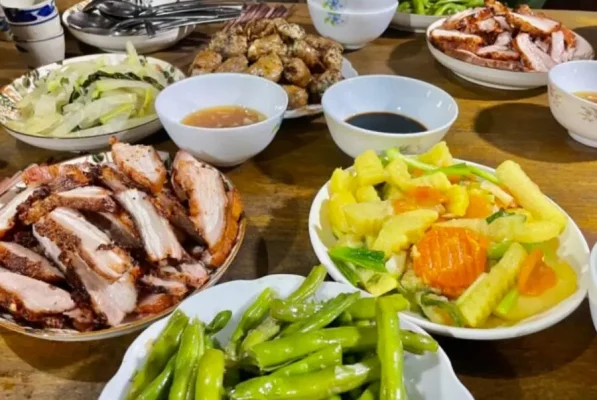
The menus at Panhou are built around produce and ingredients grown in our on-site gardens. Instead of relying on frozen foods, we prioritize seasonal ingredients such as sweet potato leaves, bamboo shoots, and clean upland rice harvested at the right time of year. Seasonal eating helps the body adapt more effectively to the mountain climate, strengthen the immune system, and benefit from local medicinal herbs and spices. Every meal is also a tribute to the land and the hardworking Red Dao farmers.
A Luxurious Gift from the Mountains
In an age of constant distraction, Panhou Retreat chooses to offer guests a truly luxurious gift: silence. With an operational philosophy that limits wifi, electronic devices, radio, and television signals within the retreat, guests are encouraged to experience a true digital detox.
Without the constant sound of phone notifications, you begin to hear the sounds of nature again: streams flowing through the mountains, wind moving through leaves, and birds singing in the forest. The absence of unhealthy stimulation allows the brain to fully relax, preventing “dopamine overload” and creating space for creativity, self-reflection, and deeper self-understanding.
Learning to Live Slowly from the Red Dao People
Healing at Panhou Retreat also comes from observing and learning the lifestyle of the local Red Dao people. They work diligently, live simply, and maintain harmony with nature, showing gratitude for every blade of grass and tree while preserving ancient rituals as a way to sustain universal balance.
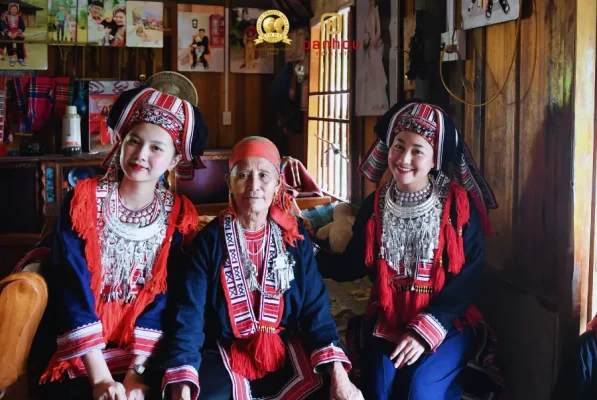
When visiting Thong Nguyen, guests can participate in traditional cultural rituals such as the Cap Sac ceremony, fire dancing, bamboo dancing, and more. However, the experience goes beyond watching performances, it lies in the genuine interaction and human connection that open the heart and create joyful, memorable moments together.
Wellness travel trends 2026 are opening a new era for Vietnam’s tourism industry, where natural values like those at Panhou Retreat are honored while supporting the Net Zero initiative and broader climate action goals.
Start planning your journey to rediscover balance and authentic life energy.
FAQ
1. What is wellness travel?
Wellness travel is a form of tourism that combines relaxation with activities that improve physical, mental, and emotional well-being, such as yoga, meditation, herbal baths, digital detox, and nature therapy to restore energy and rebalance life.
2. Why has wellness travel become a trend in 2026?
Wellness travel has become a global trend in 2026 because people are increasingly facing pressure from work, urban environments, and digital devices. Healing retreats help reduce stress, improve sleep quality, restore the nervous system, and reconnect people with nature.
3. What are the most prominent wellness travel trends in 2026?
The most prominent wellness travel trends in 2026 include healing in untouched nature, digital detox, slow travel, local cultural immersion, and natural therapeutic practices such as yoga, meditation, and herbal baths.
4. How do you choose the right wellness retreat?
To choose the right wellness retreat, you should first determine your travel goals, whether they are stress relief, health recovery, or finding inner peace. You should also prioritize destinations with clean natural environments, authentic local therapies, and personalized wellness services tailored to your body’s needs.
5. What should a true wellness travel experience include?
A true wellness travel experience should include a peaceful environment, clean air, activities that balance the body, mind, and emotions, healthy cuisine, and experiences that encourage long-term positive lifestyle changes such as better sleep, reduced stress, and healthier daily habits.
Ngọc Vân

3D2N NATIONAL DAY OFFER | JOURNEY INTO GREEN SEASON
From 125 USD/Guest/Combo
3D2N GOLDEN SEASON IN HOANG SU PHI
From 114 USD/Guest/Combo