Comprehensive Guide To The Red Dao Herbal Bath In Vietnam: Cultural Origins, Ingredients, Benefits
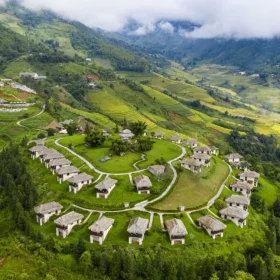
| ExperiencesRed Dao herbal bath Vietnam is a traditional hydrotherapy practice using concentrated extracts from 10 to over 120 types of forest medicinal plants. It is designed to detoxify the body, relax muscles, and improve blood circulation. At Panhou Retreat (Hoàng Su Phì, Hà Giang), this practice is used for post-activity recovery while preserving the herbal knowledge of the Red Dao people in a high-end ecological setting.
What is a Red Dao herbal bath?
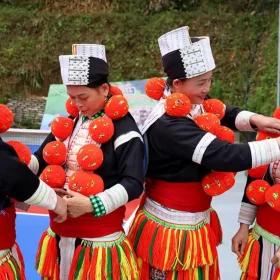
A Red Dao herbal bath is a traditional form of hydrotherapy that combines full-body soaking with the absorption of mountain herbal essences boiled at temperatures between 38°C and 45°C. Originating from the need to warm and care for the body in the cold, humid highland climate, this practice has been passed down through generations of the Dao ethnic group and is now recognized as a unique wellness therapy in Vietnam’s mountainous regions.
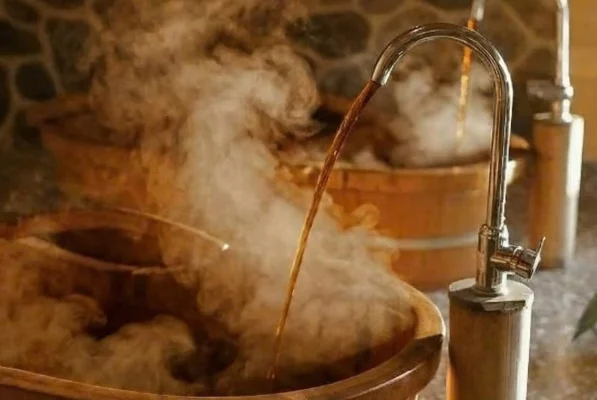
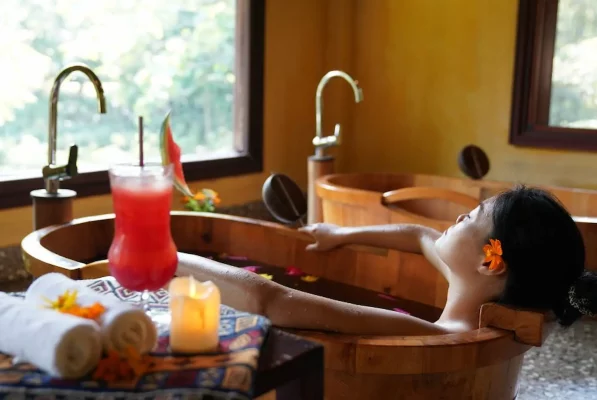
The experience is characterized by dark brown water similar to red wine, infused with herbal aromas resembling traditional oriental medicine mixed with lemongrass notes. The bath is typically prepared in wooden tubs made from Pơ-mu (Fujian cypress), a type of wood that naturally releases essential oils, enhancing and prolonging the herbal fragrance.
Where is Red Dao herbal bath Vietnam popular?
Sa Pa: A well-known destination for Red Dao herbal bath in Vietnam
The most famous place for Red Dao herbal bath is Tả Phìn village, located about 12 km northeast of Sa Pa town. This village is considered the cultural heart of the Red Dao community in the region.
According to Vietnamese media reports, Tả Phìn commune (Sa Pa, Lào Cai) has developed community-based tourism models linked with the preservation of traditional crafts and sustainable development. It is also one of the earliest community tourism villages in Sa Pa.
Thanks to early tourism development, local people have become more active in introducing their cultural experiences to international visitors.
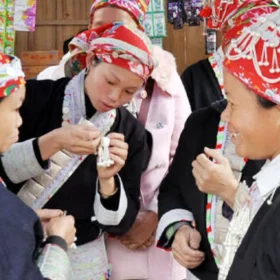
In Tả Phìn, visitors can easily see Red Dao women, homestay owners or staff, wearing traditional colorful costumes, preparing large pots of herbal bath water over wood fires. The village is also well known for traditional embroidery and weaving, making it a meaningful destination for cultural souvenirs.
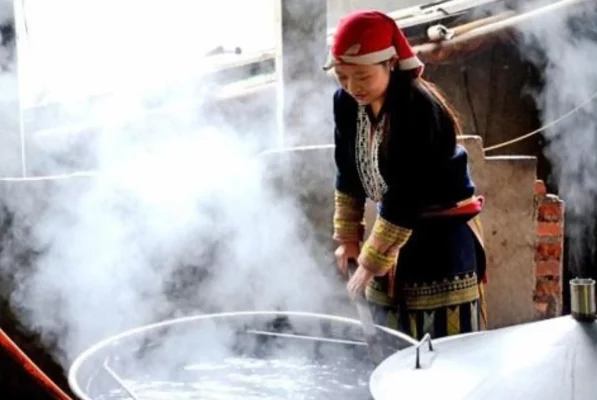
Hoàng Su Phì: Where herbal bathing remains part of daily life
For travelers seeking a more private and less commercialized experience, Hoàng Su Phì (Hà Giang) offers a more authentic setting. Here, Red Dao communities live scattered across untouched primary forests, surrounded by misty mountains and clouds.
Unlike more developed tourist areas, tourism infrastructure here remains simple, with few resorts or homestays and far fewer crowds. Herbal bathing traditions are still closely tied to daily life and are preserved in their original form.
Herbal bath recipes are passed down through generations within local Dao groups (including Red Dao and Dao Ao Dai communities). Medicinal plants are still harvested directly from primary forests, and in some cases even from household-grown herbs, to prepare baths for both locals and visitors.
Because tourism is still developing, the experience is less commercialized, with no aggressive selling or overpricing. Staying here feels like being welcomed into someone’s home. Visitors may even be invited to share meals, drink freshly picked herbal tea, or observe traditional rituals such as Fire Dancing or the Cap Sac initiation ceremony.
What herbs are used in a Red Dao herbal bath?
| Herbal Group | Tả Phìn (Sa Pa) | Hoàng Su Phì – Tây Côn Lĩnh |
|---|---|---|
| Aromatic & relaxing herbs | Wild cardamom, perilla, honeysuckle, litsea cubeba | Lemongrass, lemon, perilla |
| Warming herbs | Cinnamon, wild ginger, parasitic vines | Fresh ginger, Kaempferia galanga, perilla |
| Muscle & joint relief herbs | Kaempferia galanga, Achyranthes, Millettia species | Kaempferia galanga, Schefflera, Eupatorium, Angelica |
| Health recovery herbs | Wild ginseng, Smilax glabra, wild cassia | Blood vine, Schefflera, Alternanthera |
| Endemic forest herbs | Various aromatic forest vines and woody plants | Blood vine, Kaempferia galanga, Schefflera |
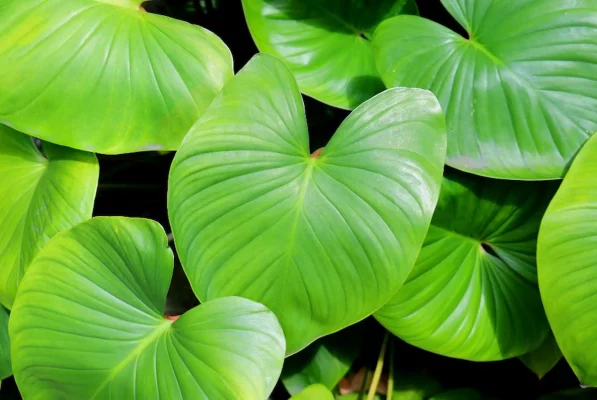
What makes Hoàng Su Phì’s Red Dao herbal bath different?
The key difference lies in the source of medicinal plants. While the herbal bath in Tả Phìn is known for standardized and widely practiced formulations, the herbal baths in Hoàng Su Phì are deeply connected to the primary forest ecosystem of Tây Côn Lĩnh.
In addition to common medicinal plants, local Dao communities also use rare high-altitude herbs that are not widely known in Vietnamese. Some of these plants do not even have common names, but are preserved through oral tradition and ancestral knowledge.
This biodiversity creates a distinct aroma and identity for the Red Dao herbal bath in Hoàng Su Phì, offering visitors a rare opportunity to experience one of Vietnam’s most authentic traditional healing practices.
What are the key benefits of a Red Dao herbal bath?
A warm herbal bath infused with plants such as Kaempferia galanga, Schefflera, and Eupatorium helps relax the body after physical activity. This is why many travelers choose herbal bathing after long trekking routes or outdoor activities in the mountains.
1. Relieves muscle and joint pain
Natural anti-inflammatory compounds in medicinal herbs help relax tense muscles and reduce joint pain, especially after long hikes or trekking through terraced fields.
2. Improves blood circulation and cardiovascular function
Warm water helps dilate blood vessels, improving circulation. Warming herbs such as ginger, perilla, and lemongrass enhance this effect, creating a deep warming sensation throughout the body.
3. Supports postpartum recovery and detoxification
Traditionally, Red Dao herbal baths have been used for postpartum care and recovery after heavy labor. Today, visitors also use this therapy to restore energy and rebalance the body after long journeys.
4. Reduces stress and improves sleep quality
The natural aroma of herbs such as perilla, lemongrass, and lemon creates a calming effect. Combined with warm water and a quiet mountain setting, it helps the body relax and improves sleep quality.
Authentic healing experience at Panhou Retreat Hoàng Su Phì
At Panhou Retreat, the Red Dao herbal bath is not treated as a standard spa service but as a sacred healing ritual. Located in the pristine forests of Hoàng Su Phì, the retreat sources herbs directly from the surrounding ecosystem, harvested and prepared by local Red Dao staff who deeply understand the seasonal properties of each plant.
Carefully prepared process
- Forest harvesting: Herbs are collected early in the morning or during dry weather, selecting only healthy, mature plants with strong essential oil content.
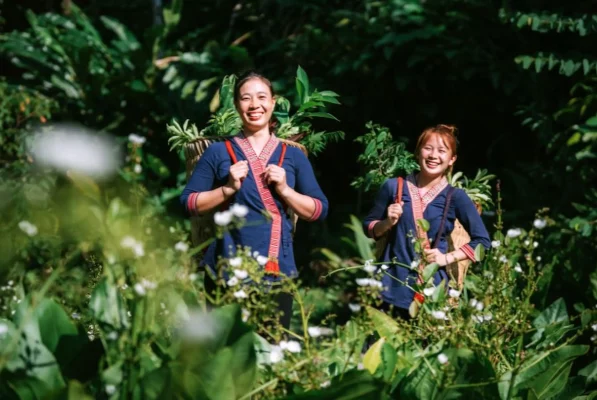
- Cleaning and sorting: Herbs are cleaned and cut to maximize extraction efficiency during boiling.
- Dry roasting activation: Herbs are gently roasted in cast iron pans to release essential oils and enhance aroma.
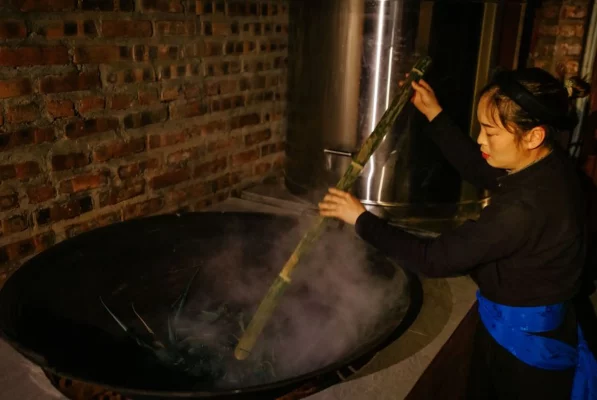
- Extraction boiling: Herbs are boiled in cloth bags for 1–2 hours to extract active compounds into the water.
- Final preparation: The resulting dark herbal concentrate is mixed with hot water to reach the optimal bathing temperature.
Therapeutic bathing process
- Hydration and light snack: Herbal tea and light snacks are provided before bathing.
- Initial cleansing: A warm shower helps the body adjust to temperature changes.
- Soaking: Slowly relax in a Pơ-mu wooden tub filled with warm herbal water. If discomfort occurs, assistance is available.
- Rest and cooling: After bathing, avoid cold water immediately and allow the body to naturally stabilize.
Safety guidelines for first-time users
Due to strong herbal concentration and intense circulation effects, users should follow safety precautions to avoid dizziness or low blood pressure.
Important note: Do not soak for more than 20–25 minutes when water temperature exceeds 42°C. Overexposure may cause rapid heartbeat, dizziness, nausea, or light-headedness due to strong vasodilation effects.
| User group | Recommendation |
| Pregnant women | Not recommended due to strong circulation stimulation. |
| People with heart conditions | Consult a doctor; avoid high-temperature baths above 40°C. |
| Alcohol users | Strictly avoid due to increased risk of dizziness or fainting. |
| Healthy adults | Suitable for recovery, relaxation, and muscle relief. |
FAQ
1. What is Red Dao herbal bath Vietnam?
Red Dao herbal bath Vietnam is a traditional hydrotherapy practice using forest medicinal herbs boiled into concentrated water to help detoxify the body, relax muscles, and improve blood circulation. It is widely practiced in Vietnam’s northern highlands.
2. What are the benefits of a Red Dao herbal bath?
The bath helps relieve muscle and joint pain, reduce stress, improve blood circulation, and support better sleep. It is also commonly used for recovery after trekking or physical outdoor activities.
3. Where is Red Dao herbal bath Vietnam most popular?
It is most popular in Sa Pa, especially Tả Phìn village, and also in Hoàng Su Phì in Hà Giang, where the tradition remains more authentic and closely connected to daily life in the forest highlands.
4. What herbs are used in a Red Dao herbal bath?
The bath uses a variety of medicinal plants such as lemongrass, ginger, cinnamon, perilla, Kaempferia galanga, Schefflera, Eupatorium, and other native forest herbs. Ingredients vary depending on the region and local Dao knowledge.
5. Is Red Dao herbal bath safe?
Red Dao herbal bath is safe when used correctly. It is recommended not to soak for more than 20–25 minutes at temperatures above 42°C. Pregnant women, people with heart conditions, and those who have consumed alcohol should avoid or limit use.

3D2N NATIONAL DAY OFFER | JOURNEY INTO GREEN SEASON
From 125 USD/Guest/Combo
3D2N GREEN SUMMER FOR FAMILY
From 114 USD/Guest/Combo