Outdoor Exercise Is No Longer A Safe Solution During Urban Air Pollution Season
| ExperiencesOutdoor exercise has long been regarded as a healthy habit, contributing to both physical fitness and mental wellbeing. However, in recent years, Hanoi has repeatedly experienced severe air pollution at red alert levels. Under these conditions, outdoor physical activity is becoming increasingly unsafe, particularly for older adults and those with sensitive respiratory systems.
Is reducing outdoor activity a responsible health choice?
Fine particulate matter PM2.5 in Hanoi is extremely small and capable of penetrating deep into the lungs and entering the bloodstream, causing long term health impacts. During physical exercise, breathing becomes faster and deeper, meaning the body absorbs significantly more polluted air compared to resting conditions.
Data from the global air quality monitoring platform IQAir indicates that average daily exposure to PM2.5 in highly polluted urban areas can pose health risks comparable to smoking one cigarette per day at a population level. As a result, the intended health benefits of exercise may be diminished or even reversed during periods of poor air quality.

Reducing or temporarily pausing outdoor exercise during pollution peaks does not reflect physical inactivity. Instead, it represents a conscious and responsible adjustment. Light indoor workouts, yoga, stretching or exercise in enclosed spaces equipped with air filtration systems are safer alternatives, especially for older adults and pregnant women.
More importantly, health should be viewed holistically. It is shaped not only by how much we move, but also by the quality of the air we breathe every day.
When leaving the city for the forest becomes an effective wellness solution
Against this backdrop, the growing tendency to leave the city and return to nature is no longer a fleeting travel trend. For many families in Hanoi, it has become a practical solution to protect and restore health.
Compared to major urban centers like Hanoi, the temperature in Ha Giang shows a noticeable difference. Thanks to its mountainous terrain and extensive forest coverage, average temperatures in Ha Giang remain cooler and more stable, particularly during autumn and winter. The air is largely free from industrial emissions, and balanced humidity levels allow the respiratory system to adapt more easily and function more efficiently.
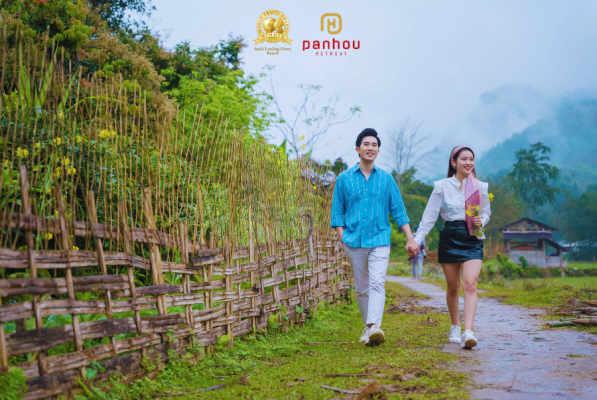
In forest environments, clean air enables the body to truly rest and recover. Simple activities such as slow forest walks, deep breathing and mental relaxation can deliver meaningful health benefits, especially for older adults. Forest vegetation and waterfalls also generate what is often referred to as air vitamins, negatively charged ions that possess strong oxidative properties. These ions help neutralize harmful positive ions associated with fine dust and urban emissions while reducing airborne bacteria.
Integrated wellness retreat at Panhou Retreat
Among nature based wellness destinations, Panhou Retreat, recognized as one of Asia’s leading green resorts, stands out as an ideal choice for families seeking a clean environment to restore balance and vitality.
Nestled beneath the dense forest canopy of Hoang Su Phi, Panhou Retreat benefits directly from the region’s favorable climate. According to regional climate data, the temperature in Ha Giang is generally lower than in Hanoi, with milder thermal variation, particularly during autumn and winter. This cooler climate, combined with high forest density, ensures consistently good air quality, making the area highly suitable for restorative travel experiences.
Guests often describe the sensation of being gently cleansed by the forest air. Negative ions released from mature forests enhance oxygen uptake in the lungs and reduce respiratory irritation. Research by the United States Department of Agriculture suggests that environments rich in negative ions can reduce airborne bacteria by up to 95 percent, offering substantial benefits for respiratory health.
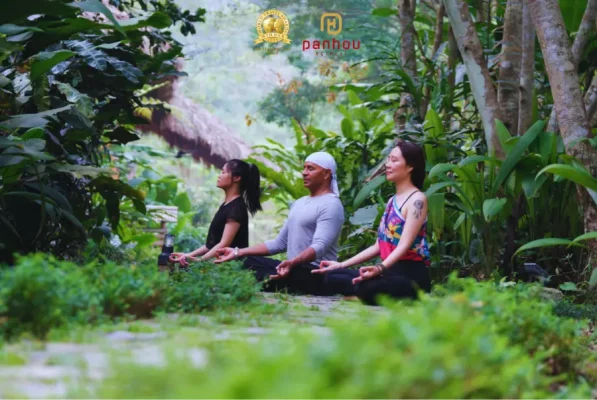
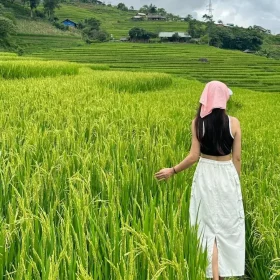
At Panhou, physical activity is intentionally gentle and immersive. Guests can trek across golden rice terraces, wander through fields of soft purple buckwheat flowers, admire drifting cloud seas atop Chieu Lau Thi Peak or cycle leisurely around the retreat. Daily exposure to clean air leaves the body feeling lighter, reduces fatigue and promotes deeper, more restorative sleep.
In addition, traditional herbal therapies such as Red Dao medicinal leaf baths and natural essential oil massages offer safe and effective respiratory support, particularly for older guests. These treatments help the body regain balance while encouraging deep relaxation.
These experiences represent some of the safest forms of physical activity available today. For those living in Hanoi and frequently experiencing air quality related discomfort, a nature based retreat in the forests of Hoang Su Phi offers a meaningful opportunity to breathe freely again and restore long term wellbeing.
FAQ
1. Why is outdoor exercise risky in Hanoi during high air pollution periods?
During pollution peaks, PM2.5 particles can penetrate deep into the lungs. Exercising outdoors increases breathing rate, leading to higher intake of polluted air and reduced health benefits.
2. How does temperature in Ha Giang benefit respiratory health?
The temperature in Ha Giang is generally cooler and more stable due to its mountainous terrain and dense forests, creating cleaner air conditions that support easier breathing and respiratory recovery.
3. What makes forest environments healthier than urban areas?
Forests naturally filter air, reduce fine dust, and generate negative ions that help neutralize pollutants and airborne bacteria, improving overall air quality.
4. What are negative ions and how do they support respiratory health?
Negative ions are naturally occurring particles found in forests and near waterfalls. They help improve oxygen absorption in the lungs, reduce airborne bacteria, and neutralize harmful pollutants such as fine dust and urban emissions.
5. What activities at Panhou support physical recovery without strain?
Guests can enjoy slow trekking, nature walks, cycling, cloud watching, and traditional herbal therapies that promote relaxation and health without high physical intensity.

3D2N NATIONAL DAY OFFER | JOURNEY INTO GREEN SEASON
From 125 USD/Guest/Combo
3D2N GOLDEN SEASON IN HOANG SU PHI
From 114 USD/Guest/Combo