Top 10 Healing Herbs Behind the Red Dao Herbal Bath In Hoang Su Phi
| ExperiencesThe Red Dao herbal bath remedy in Hoang Su Phi is a hydrotherapy treatment that uses fresh medicinal herbs such as Acanthopanax bark, Spatholobus vine, Homalomena occulta, and indigenous mountain ginger to detoxify the body, improve blood circulation, and restore the musculoskeletal system. This ancestral healing practice helps travelers regain energy and relieve nervous tension through the traditional medicinal knowledge of ethnic minority communities in the northern highlands of Vietnam.
Herbal Knowledge Behind the Red Dao Medicinal Bath Therapy
The herbal bath (called Đìa dả dào in the Dao language) is not merely a personal hygiene ritual, but a core part of the traditional folk medicine knowledge of the Red Dao people in Hoang Su Phi. For travelers seeking a wellness travel experience, this remedy can become an ideal therapeutic treatment during a long journey through the mountains of Northwest Vietnam.
At Panhou Retreat, the herbal remedy preserves its authenticity through traditional hand-harvesting methods and the use of pure spring water sourced from the pristine Hoang Su Phi mountain range. Unlike modern spa therapies based on massage techniques, the Red Dao herbal bath is a “no-touch, no-massage” healing method that draws its restorative power from warming, circulation-boosting, and calming medicinal plants to improve both the physical and emotional well-being of guests.
Discover the 10 Core Herbs Used in the Herbal Bath at Panhou Retreat
To create its signature wine-red color and rich herbal aroma, the Red Dao people in Hoang Su Phi use the following 10 key medicinal plants:
1. Ngũ gia bì (Acanthopanax)
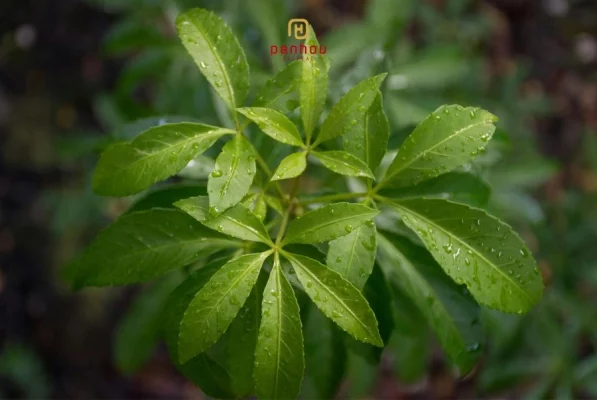
This is considered one of the most important herbs for joint and bone health. Its leaves carry a subtle woody aroma with the slightly bitter scent typical of wild ginseng plants. Acanthopanax helps dispel “wind-dampness” in traditional medicine, strengthen tendons and bones, and reduce muscle soreness and joint fatigue after long trekking journeys across the majestic terraced rice fields of Northwest Vietnam.
2. Cỏ máu (Spatholobus suberectus)
True to its name, this climbing vine is highly valued for improving and nourishing blood circulation. When infused into hot bath water, the herbal compounds can be absorbed through expanded pores, stimulating circulation, enhancing skin vitality, and helping tired travelers recover their physical energy more quickly.
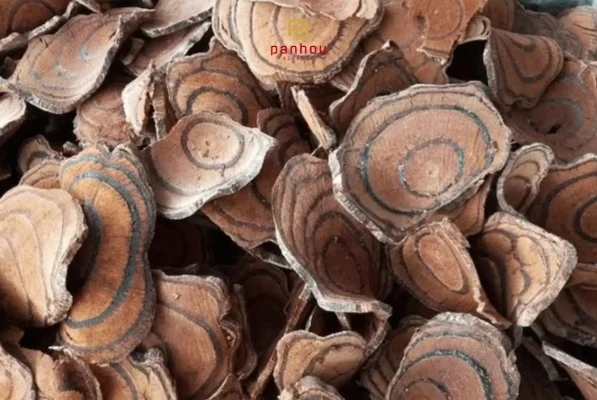
3. Thiên niên kiện (Homalomena occulta)
Nicknamed the “herb of lasting vitality,” this plant contains a high concentration of essential oils with a mildly pungent aroma and warming properties. It is known for relieving joint pain and helping protect the nervous system from stress and fatigue.
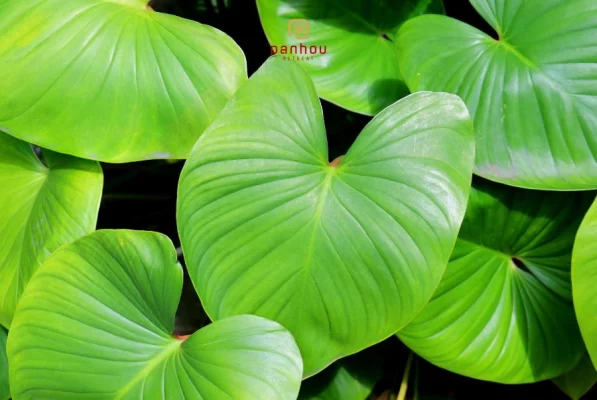
4. Indigenous Mountain Ginger (Zingiber officinale)
This ginger, cultivated on high mountain slopes, is known for its intense spiciness and warming nature. Its fresh, earthy flavor is distinct from common lowland ginger varieties. Indigenous mountain ginger acts as a “carrier herb,” warming the body, dispelling internal coldness, and opening the pores so that other medicinal compounds can penetrate more deeply.
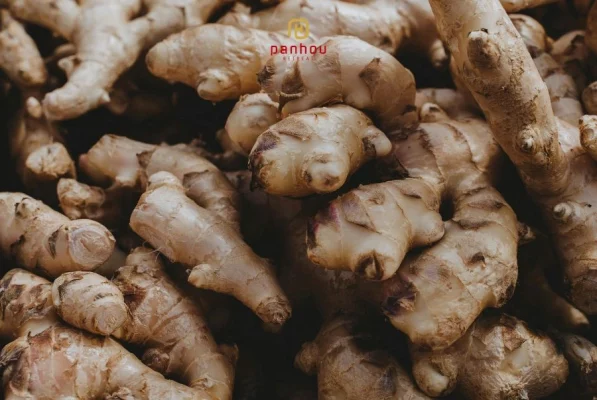
5. Lemongrass (Cymbopogon citratus)
Lemongrass not only helps cleanse the skin but also provides the signature fragrance of the herbal bath. Many mind-body wellness therapies use lemongrass to calm the nervous system because its essential oil contains compounds such as linalool and geraniol, which help relieve psychological stress and support respiratory health.
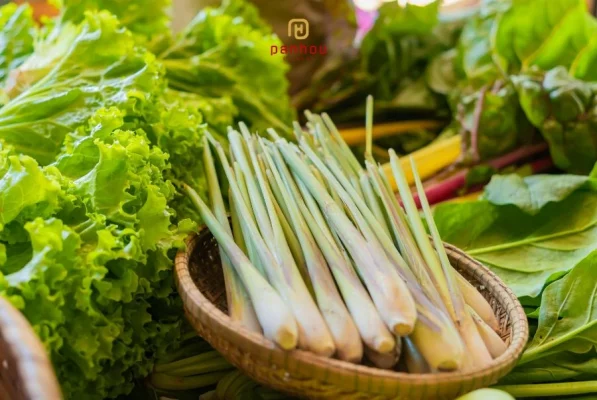
6. Bạch chỉ (Angelica)
For travelers visiting the mountains of Northwest Vietnam for the first time and experiencing weather sensitivity or insect-bite irritation, this medicinal herb plays an important role in soothing inflamed skin. Angelica helps reduce inflammation, ease swelling, and leaves the skin feeling refreshed and comfortable after bathing.
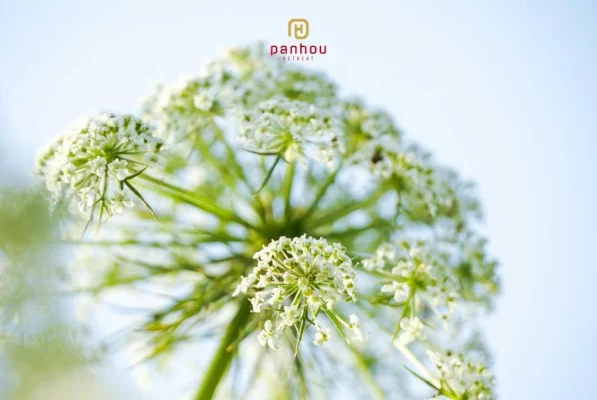
7. Cúc tần (Pluchea indica)
Pluchea indica is highly effective in reducing fever, relieving colds, and detoxifying the body. It is an essential ingredient that helps travelers adapt to sudden temperature changes in high mountainous regions.
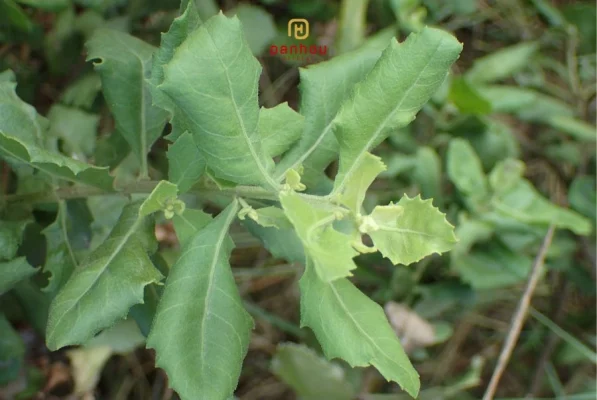
8. Huyết dụ (Cordyline fruticosa)
Recognized for its deep red color, Cordyline fruticosa supports blood circulation, reduces inflammation, and soothes internal pain. This plant is especially beneficial for helping the body regain balance after minor physical strain or movement-related fatigue.
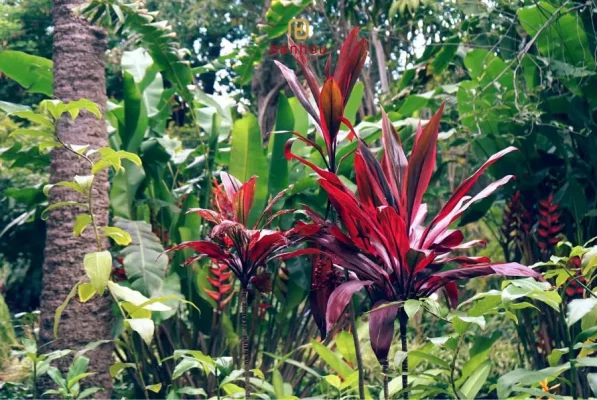
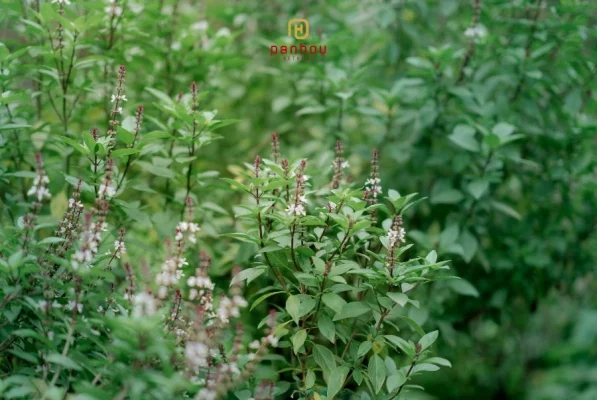
9. Hương nhu (Holy Basil)
Holy Basil is renowned for cleansing the scalp, removing dead skin cells, and eliminating impurities. The essential oil released in the herbal bath stimulates perspiration, helping the body naturally detoxify through the skin.
A Traditional Therapeutic Process for Optimal Healing Benefits
At Panhou Retreat, every herbal bath is more than just a relaxing experience; it is the result of a meticulous preparation process designed to preserve the full medicinal properties of the mountain herbs. After being harvested from the surrounding forest, the herbs are carefully selected by local staff, then dried naturally under gentle sunlight (while avoiding harsh direct sunlight that could damage the leaves). The next step involves roasting the herbs evenly in large cast-iron pans to prevent burning under high heat. Finally, the herbs are placed into large filter bags and boiled in water. After approximately one hour, when the water turns its characteristic reddish-brown color and reaches a full boil, the rich herbal aroma gradually rises through the warm steam.
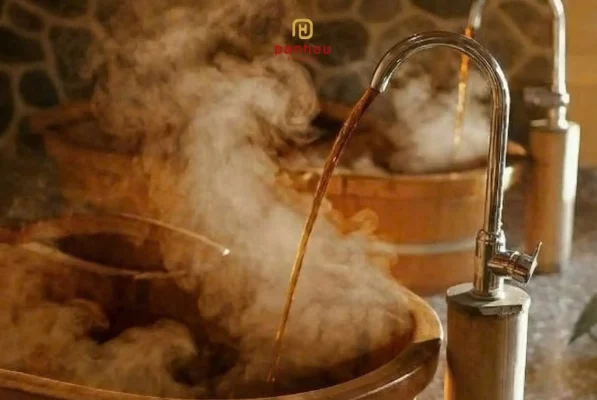
Once cooled to a temperature of around 40–45°C, guests can immerse themselves and enjoy this restorative therapy. The bath water is kept warm at a comfortable level to relax muscles and allow the skin to naturally absorb the herbal essence. Guests then soak in lightly fragrant Pơ-mu wooden tubs surrounded by the peaceful atmosphere of the Hoang Su Phi mountains. A soaking time of 15 to 20 minutes is considered ideal for helping the body fully unwind, reducing fatigue and muscle soreness after long journeys, while bringing a sense of refreshment to both body and mind.
This is also why the Red Dao herbal bath at Panhou Retreat is often regarded by travelers as a signature healing experience deeply connected to the natural beauty of Northern Vietnam’s mountains.
Important Notes When Experiencing the Red Dao Herbal Bath
Although the Red Dao herbal bath offers many benefits for relaxation and physical recovery, it remains a powerful herbal therapy that significantly affects blood circulation and body temperature. Therefore, to achieve the best results, guests should keep several important considerations in mind before and after bathing.
First, you should avoid bathing when you are either too hungry or immediately after a heavy meal. Immersing yourself in hot water causes blood vessels and pores to expand, which may lead to dehydration, reduced energy levels, or digestive discomfort if the body is not in a stable condition.
During the bath, some people may feel slightly lightheaded, sleepy, or experience a mild sensation of warmth. This is generally a natural response as the body begins to deeply relax and absorb the herbal compounds. If this happens, simply step out of the bath, dry yourself off, and rest for a few minutes in a warm and well-ventilated area.

In cases of “herbal bath intoxication,” symptoms such as dizziness, nausea, or excessive drowsiness may occur when the water is too hot and the body absorbs the herbal essence too quickly. If this happens, guests should leave the bath immediately, dry the body thoroughly, drink mineral water or lemon water with sugar and salt, and rest in a cool, airy place until the body recovers.
After the bath, guests should avoid rinsing off immediately with cold water, as the sudden temperature change may cause thermal shock after soaking in hot water. In addition, the layer of herbal essence left on the skin continues to help warm the body and keeps the skin feeling soft and comfortable for a longer period after bathing.
Frequently Asked Questions
1. What is a Red Dao herbal bath?
A Red Dao herbal bath is a traditional therapeutic method that uses medicinal herbs such as Acanthopanax, Spatholobus vine, Homalomena occulta, and mountain ginger to soak the body in hot herbal water. This therapy helps relax muscles, improve blood circulation, detoxify the body, and restore physical energy after long journeys through the mountains of Northwest Vietnam.
2. What are the benefits of a Red Dao herbal bath?
A Red Dao herbal bath helps relieve muscle and joint pain, calm the nervous system, support blood circulation, and warm the body. In addition, the essential oils from the medicinal herbs help reduce stress, improve sleep quality, and restore energy after trekking or intense physical activity.
3. Which herbs are used in the Red Dao herbal bath remedy?
The Red Dao herbal bath remedy usually combines various forest herbs such as Acanthopanax, Spatholobus vine, Homalomena occulta, indigenous mountain ginger, lemongrass, Angelica, Pluchea indica, Cordyline fruticosa, and Holy Basil. Each herb serves a specific function, including improving circulation, relieving pain, reducing inflammation, or calming the mind.
4. How long should you soak in a Red Dao herbal bath?
The ideal soaking time for a Red Dao herbal bath is approximately 15 to 20 minutes at a water temperature between 40 and 45°C. This duration allows the body to effectively absorb the herbal essence while remaining safe for circulation and body temperature regulation.
5. What should you keep in mind when taking a Red Dao herbal bath?
Guests should avoid bathing when extremely hungry or overly full, as hot water may cause the body to lose energy more quickly. After bathing, it is also recommended not to rinse immediately with cold water in order to avoid thermal shock and allow the herbal essence to continue working on the skin and body.

3D2N NATIONAL DAY OFFER | JOURNEY INTO GREEN SEASON
From 125 USD/Guest/Combo
3D2N GOLDEN SEASON IN HOANG SU PHI
From 114 USD/Guest/Combo